
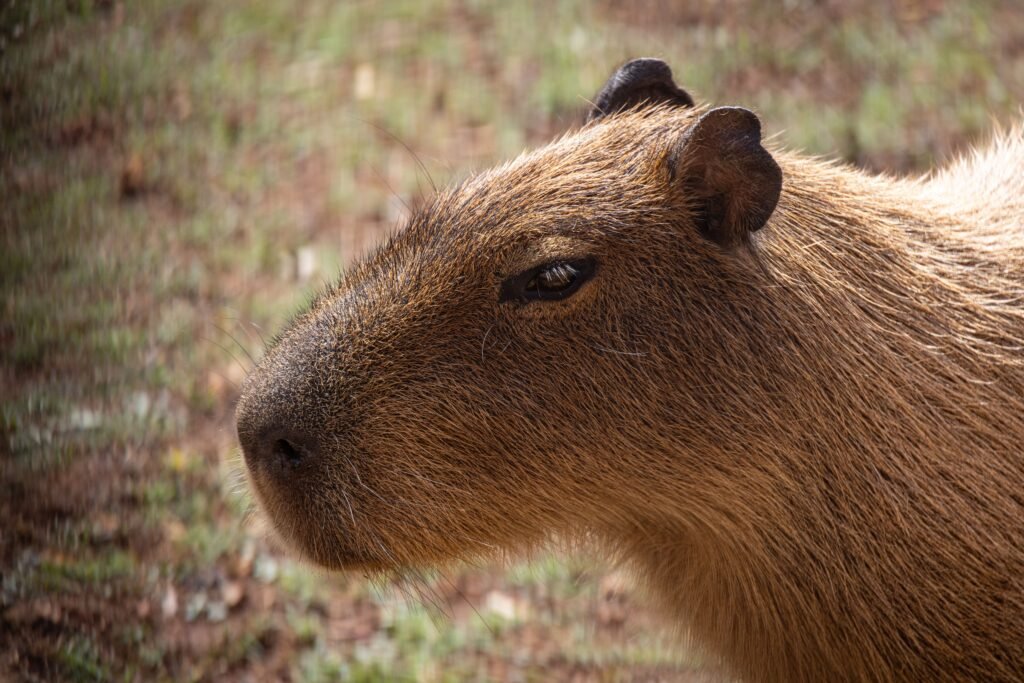
With their heavy-lidded eyes, blocky snouts, and unmatched ability to get along with absolutely every other animal on the planet, capybaras have officially taken over our social media feeds. These giant, semi-aquatic South American rodents are famous for their calm, friendly, and ultra-chill personalities. It is only natural that animal lovers in the Beehive State are asking themselves if they can bring one of these colossal guinea pigs home to Utah.
While the idea of having a capybara graze in your backyard sounds like a dream, keeping an exotic animal in Utah involves strict legal, financial, and husbandry requirements. Before you start drafting plans for a backyard pond, let us take a look at Utah’s unique regulations, costs, and specific care guidelines to see if this dream can safely become a reality.
The Legal Landscape: Is it Legal to Have a Pet Capybara in Utah?
If you want to legalise your dream of capybara pet ownership in Utah, you have to understand how state agencies categorize exotic animals. The primary authority regulating wild and non-traditional animals in the state is the Utah Division of Wildlife Resources (DWR). Under Utah Administrative Rule R657-3, species are classified into specific categories, noncontrolled, controlled, and prohibited.
Fortunately for rodent lovers, capybaras are generally classified as a controlled species rather than being completely prohibited. This classification means you cannot simply buy one online and have it shipped to your home, you must apply for and secure a Certificate of Registration (COR) from the DWR before the animal enters the state.
To obtain this certificate, you must submit a formal application proving that you have the knowledge, facilities, and resources to safely house the animal. A local conservation officer may inspect your property to verify that your enclosure is secure and meets public safety standards. You can research how Utah’s administrative rules compare with national exotic pet regulations on the Animal Legal & Historical Center website.
The Local Hurdle: Municipal and County Zoning
Securing a state-level certificate is only the first step of your legal journey. Individual counties and cities across Utah have the authority to create local ordinances that are much stricter than state regulations. Many suburban and urban municipalities in Utah completely ban the possession of wild, exotic, or non-domesticated mammals within city limits.
For instance, living in a residential zone in Salt Lake City, Provo, or West Valley City likely means strict municipal zoning laws will prevent you from keeping a 140-pound rodent in your yard. Conversely, rural counties with agricultural zoning are often much more accommodating to exotic livestock.
Always contact your local city hall, county clerk, or animal control agency to obtain written confirmation that keeping a capybara is legal in your specific neighborhood. Failing to clear local zoning can result in heavy fines and the forced relocation of your animals.
Sourcing and the Financial Cost of a Utah Capybara
If you clear the legal hurdles, you must prepare your budget for the significant initial and ongoing costs associated with these giant rodents. Capybaras are specialized animals, and caring for them properly requires a major financial commitment.
How Much Does a Capybara Cost?
A healthy, captive-bred capybara puppy from a USDA-licensed breeder typically costs between $1,500 and $3,500. Young, hand-raised babies that are well-socialized are usually the most expensive because they are accustomed to human interaction from an early age.
However, you must never buy a single capybara. In their native South American wetlands, capybaras live in close family herds and are incredibly social creatures. Keeping a single capybara in isolation can lead to extreme stress, severe depression, and destructive behavioral issues.
To maintain proper animal welfare, you must adopt at least a pair of capybaras, which immediately increases your initial animal purchase price to $3,000 to $7,000. To evaluate how these costs fit into your long-term personal budget, read the comprehensive Capybara Happiness cost analysis before making any final decisions.
Sourcing Your Pets Legally
Because Utah does not have local commercial capybara breeders, you will need to source your animals from out-of-state breeders, mostly located in southern states like Texas or Florida. Ensure your chosen breeder is fully registered with the USDA.
A licensed breeder will provide a legal bill of sale and help coordinate the mandatory interstate health certificate. This veterinary certificate is required by the Utah Department of Agriculture and Food to import any live animal across state lines.
Creating a Semi-Aquatic Paradise in Utah’s Arid Climate
Utah is famous for its beautiful deserts and dry climate, which presents a unique challenge for capybara caretakers. Capybaras have dry, sensitive skin that requires regular hydration to remain healthy. Consequently, you must design a backyard habitat that caters to their semi-aquatic nature.
Your enclosure must include:
- A Deep Water Source: A standard plastic kiddie pool is not enough. You must provide a large, deep farm stock tank, a dedicated pond, or an in-ground pool where your capybaras can submerge their entire bodies to swim and defecate.
- Secure Fencing: Capybaras are surprisingly athletic and can jump or dig when startled. You need a sturdy, five-foot-tall fence that is anchored below ground level to prevent escape.
- Winter Shelter: Utah winters are incredibly cold and snowy. Because capybaras lack a thick undercoat, they are highly susceptible to frostbite. You must provide a fully insulated, heated shed or barn kept at a steady temperature of at least 70 degrees Fahrenheit during the freezing months.
Their daily diet must consist of high-quality orchard grass hay, fresh vegetables, and specialized vitamin C supplements to prevent nutritional deficiencies like scurvy.
Finding a Capybara Veterinarian in Utah
Finding proper medical care is a critical requirement that you must establish before bringing your new pets home. Standard domestic veterinary clinics do not have the specialized tools, facilities, or training to treat a 140-pound exotic rodent.
Fortunately, Utah has excellent veterinary resources. The Utah State University Veterinary Diagnostic Laboratory and specialized exotic animal clinics in the Salt Lake Valley have experienced professionals who can treat non-traditional species.
Always contact these clinics ahead of time to secure a client relationship, as exotic vets often have limited space for new patients. You can compare Utah’s veterinary requirements with other states using the FindLaw Exotic Animal Law Directory.
Summary: Is a Pet Capybara Right for You?
Legally keeping a pet capybara in Utah is possible if you secure a state certificate of registration, pass local zoning laws, and have the land to build a specialized habitat. It is a demanding, long-term lifestyle commitment that requires significant space, financial resources, and dedication. However, if you are fully prepared to meet their complex social and environmental needs, these gentle giants can make incredibly rewarding companions.
Final Thoughts: Red Rocks, Dry Air, and Warm Sanctuaries
Owning a capybara amidst Utah’s beautiful mountain landscapes is an incredible dream, but the high-altitude desert climate demands careful attention. Because capybaras require constant moisture for their sensitive skin, you will need to combat Utah’s dry air with a heated, highly humid indoor sanctuary during the freezing winter months. Navigating the state’s permit process and securing local municipal approval takes patience, but the reward of a happy, splashing pair of giant rodents is completely worth it.
Thank you for exploring the realities of responsible exotic animal care with us at Capybara Happiness. By taking the time to educate yourself on the unique biological needs of the world’s largest rodent, you are paving the way for a successful, lifelong partnership with nature’s most peaceful creatures. Stay informed, stay prepared, and keep celebrating the joy of the capybara lifestyle!