
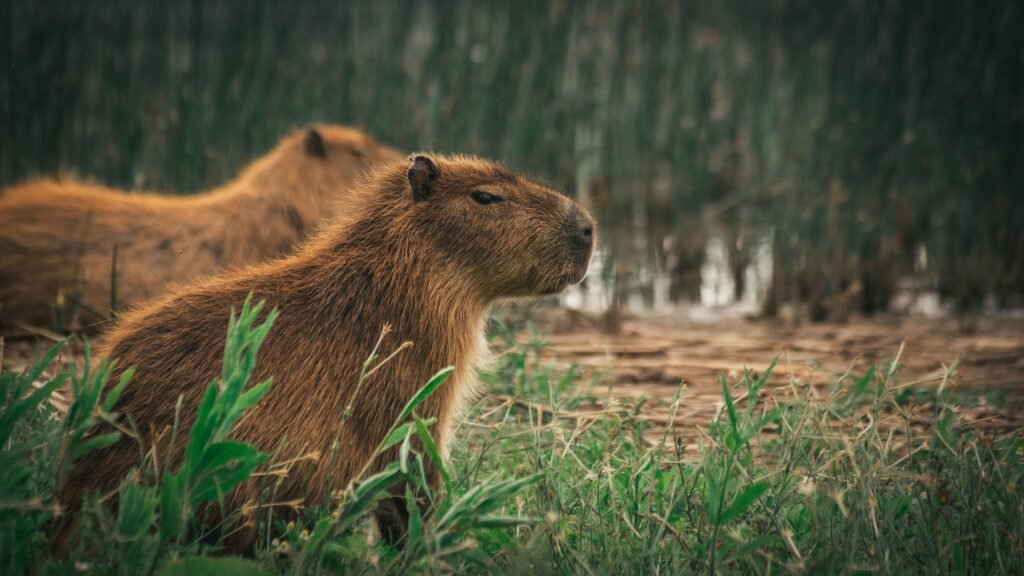
With their perpetually relaxed expressions, blocky snouts, and legendary ability to make friends with every animal species on earth, capybaras have officially captured our hearts. These giant South American rodents are the ultimate internet icons of peace and tranquility. If you live in the beautiful Mountain State, you might be daydreaming about sharing your home with a pair of these gentle, 140-pound semi-aquatic sweethearts.
However, turning your dream of capybara pet ownership in West Virginia into reality requires careful planning. While West Virginia is famous for its rolling hills and wild spaces, it also maintains very specific laws regarding exotic animals. Before you buy an outdoor pool or start contacting out-of-state breeders, you need to understand the legal, financial, and physical requirements of caring for these amazing creatures.
Decoding West Virginia’s Exotic Pet Laws
The legal framework for owning non-traditional pets in the Mountain State is unique and highly regulated. The primary authority governing wild and exotic animals is the West Virginia Division of Natural Resources (WVDNR). West Virginia enforces strict rules regarding dangerous wild animals, which are heavily regulated to protect public safety and the local ecosystem.
Fortunately, West Virginia’s Dangerous Wild Animals Act focuses primarily on inherently hazardous species like bears, large wild cats, wolves, and venomous reptiles. Under West Virginia Code Chapter 19 Article 34, capybaras are not classified as dangerous wild animals. Because they are docile, non-venomous, and belong to the order Rodentia, they are legal to keep at the state level without an outright ban.
Even though state law does not ban them, importing a capybara into West Virginia requires strict compliance with the West Virginia Department of Agriculture. You must obtain an official import permit and a Certificate of Veterinary Inspection (CVI) before your animals can cross state lines. This process ensures your future pets are healthy and free of infectious diseases that could threaten local wildlife or agriculture.
Local Municipal and County Zoning Hurdles
While the state of West Virginia does not require a possession permit for capybaras, local municipal governments can establish far stricter rules. Cities, towns, and counties across the state have the authority to pass local ordinances that ban the keeping of non-domesticated or exotic mammals.
For instance, larger municipal areas like Charleston, Huntington, or Morgantown often enforce strict city codes regarding wild or exotic animals in residential zones. Keeping a giant rodent in a suburban backyard within these city limits could lead to zoning violations, heavy fines, and the forced relocation of your beloved pets.
Conversely, rural counties with agricultural zoning are generally much more accommodating to exotic animals. Always contact your local city hall, county clerk, or municipal animal control agency to obtain written confirmation that keeping capybaras is fully compliant with your local laws. You can read more about exotic pet classifications and legal definitions on the Animal Legal & Historical Center website.
Where to Buy a Capybara and the Financial Investment
Once you have verified that your property is fully compliant with state and local laws, you can begin the process of sourcing your animals. Because there are no commercial, USDA-licensed capybara breeders operating directly within West Virginia, you will need to look out of state.
Sourcing Your Pets Safely
You must only purchase your capybaras from a reputable breeder registered with the United States Department of Agriculture (USDA). Legitimate breeders prioritize animal welfare, raise their babies in healthy environments, and handle early human socialization. They will also provide the official paperwork and veterinary certifications required to secure your West Virginia import permit.
The True Cost of Capybaras
The financial commitment of owning a capybara is substantial. A single, captive-bred capybara puppy typically costs between $1,500 and $3,500. Young, hand-raised babies that are already tame are generally the most expensive because they require intensive early care and socialization.
However, you must never buy a single capybara. In the wild, capybaras live in tight-knit family herds and are incredibly social animals. Keeping a single capybara in isolation will cause severe loneliness, anxiety, and self-destructive behavior.
To provide a humane and happy home, you must adopt at least a pair, which immediately raises your initial animal purchase price to $3,000 to $7,000.
Designing a Semi-Aquatic Paradise in West Virginia
Bringing a tropical species to the Appalachian climate requires a carefully designed backyard habitat. Capybaras are native to the warm, humid wetlands of South America, which means West Virginia’s distinct seasons require some major adjustments. While our summers are lovely, our freezing, snowy winters present a serious challenge.
During the cold winter months, you must provide a fully insulated, heated indoor shelter or barn. This space must be kept at a steady temperature of at least 65 to 70 degrees Fahrenheit to protect your pets from hypothermia and frostbite, as they lack a thick fur undercoat.
In the warmer months, your yard must feature:
- A Deep Pool or Pond: Capybaras are semi-aquatic and must be able to submerge their entire bodies to swim, play, and naturally hydrate their dry skin. You will need a heavy-duty commercial filtration system, as capybaras prefer to defecate in the water.
- Sturdy, Tall Fencing: Capybaras are strong, athletic runners and excellent diggers. You need a secure, five-foot-tall fence anchored slightly below the ground to prevent them from digging under.
- A Rich Fibrous Diet: Their daily food must consist of unlimited fresh grass or orchard grass hay, supplemented with specialized Vitamin C pellets to prevent scurvy.
Finding Specialized Veterinary Care in West Virginia
Before your capybaras arrive, you must locate a local veterinarian who is qualified and willing to treat them. Standard neighborhood pet clinics do not have the specialized tools, facilities, or training required to handle a 140-pound exotic rodent.
Fortunately, West Virginia is home to several veterinary resources. You can search for qualified exotic animal clinics through the Association of Exotic Mammal Veterinarians directory to find professionals in your region. Establishing a client relationship with a specialized vet early on guarantees that you have professional support for routine checkups and emergency situations.
Summary: Is a Capybara Right for Your Mountain State Home?
Owning a pet capybara in West Virginia is legally achievable under state guidelines, but it represents a massive, long-term lifestyle and financial commitment. If you have rural acreage, a dedicated budget, a heated winter shelter, and a deep love for these gentle giants, they can make incredibly rewarding companions. Take your time, research your local zoning laws, and make sure your backyard is fully prepared to welcome these amazing creatures to their new Appalachian home!
Final Thoughts: Making the Mountain State Home for Giant Rodents
Legally speaking, West Virginia is one of the most welcoming states in the country for capybara lovers. But as any experienced exotic animal keeper will tell you, legal permission is only the first step on a very long, high-maintenance road. From building a heavily insulated winter sanctuary to securing a reliable, specialized veterinarian in the Appalachian region, you have to be ready to put in the work. If you have the patience to navigate the logistics and the space to let a pair of giant rodents swim to their hearts’ content, your Mountain State property could be the ultimate paradise for these gentle giants.
Thank you for exploring the realities of responsible exotic animal care with us at Capybara Happiness. By taking the time to educate yourself on the unique biological needs of the world’s largest rodent, you are paving the way for a successful, lifelong partnership with nature’s most peaceful creatures. Stay informed, stay prepared, and keep celebrating the joy of the capybara lifestyle!