
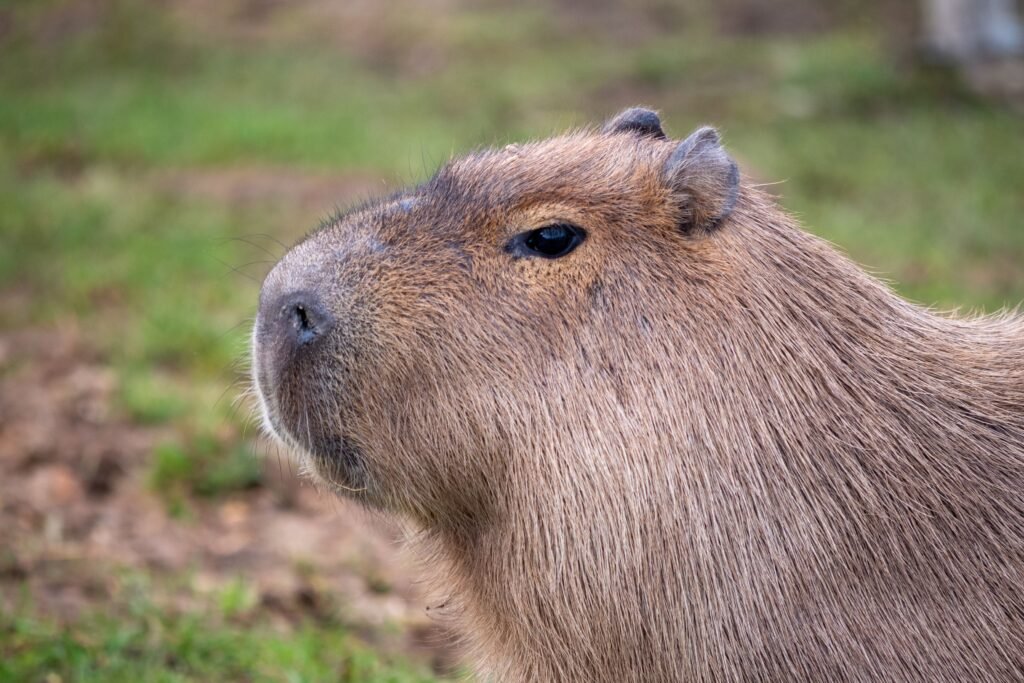
With their heavy-lidded eyes, webbed feet, and unmatched talent for getting along with every creature they meet, capybaras have officially stolen the spotlight online. These giant South American rodents are famous for their calm and ultra-chill personalities. It is only natural that animal lovers in the Badger State are daydreaming about having a pair of these oversized guinea pigs lounging in their own backyards.
However, transitioning from watching viral videos to actual Capybara Pet Ownership in Wisconsin requires a serious plan. These unique mammals have highly specific physical, social, and dietary needs. Before you start looking for a harness or picking out names, you must navigate a complex network of state, department, and local municipal laws.
Decoding Wisconsin’s Exotic Pet Laws
Before you start designing a backyard paradise, you must understand how the state of Wisconsin regulates exotic wildlife. The legal landscape here is managed by two distinct state departments. The first is the Wisconsin Department of Natural Resources (DNR), which regulates native and wild animals.
Fortunately, the Wisconsin DNR does not require captive wild animal permits for capybaras because they are a non-native, exotic species. This means that at the state wildlife level, capybaras are legal to possess without an outright ban. However, importing your new pets across the state line brings a different state agency into the picture.
To bring a capybara into the state, you must comply with the Wisconsin Department of Agriculture, Trade and Consumer Protection (DATCP). The DATCP strictly requires a Certificate of Veterinary Inspection (CVI) and a valid Animal Import Permit prior to movement. These documents prove that your pets have been inspected by an accredited veterinarian and are completely free of contagious diseases.
The Municipal Hurdle: Local City and County Zoning
Securing approval from state departments is only half the battle when it comes to keeping exotic pets. Under Wisconsin law, individual cities, towns, and counties have the authority to establish animal control ordinances that are far stricter than the state’s baseline regulations. Many urban and suburban municipal codes in Wisconsin ban exotic or non-domesticated mammals entirely.
For instance, living in a residential neighborhood in Milwaukee, Madison, Green Bay, or Kenosha likely means strict city codes will prevent you from keeping a 140-pound rodent in your yard. In these densely populated areas, local animal control departments often classify capybaras as prohibited wild animals. Keeping one illegally can result in heavy fines and the forced relocation of your beloved pets.
Conversely, rural counties and properties zoned for agricultural use are generally much more accommodating. To ensure you stay on the right side of the law, always contact your local city hall, county clerk, or municipal zoning board to check local restrictions. You can research how Wisconsin’s rules compare with other regions by reviewing the FindLaw Exotic Animal State Directory.
Sourcing and the True Cost of Capybaras
If you have confirmed that your property is completely compliant with all local zoning laws, you can begin the process of sourcing your animals. Because Wisconsin does not have any local, USDA-licensed capybara breeders, you will have to look out of state. Most reputable, legal breeders are located in warmer climates like Texas or Florida.
You must only purchase your capybaras from a breeder who is fully registered and licensed with the United States Department of Agriculture (USDA). A reputable breeder will provide healthy, hand-raised babies that are already accustomed to human handling. They will also happily provide the paperwork and veterinary health certifications required to secure your Wisconsin import permit.
The financial commitment of owning a capybara is substantial. A single, captive-bred capybara puppy typically costs between $1,500 and $3,500. However, capybaras are highly social herd animals that thrive on constant companionship, meaning you must never raise one in isolation. A solitary capybara will quickly suffer from intense loneliness, anxiety, and self-destructive behavior.
Because of their deep social needs, you must plan to buy at least a pair of capybaras, bringing your initial purchase price to $3,000 to $7,000. To plan your budget thoroughly, take a look at the comprehensive Capybara Happiness cost breakdown. This detailed guide covers all the hidden startup costs, shipping fees, and ongoing maintenance expenses of exotic pet ownership.
Weathering the Winter: Creating the Ultimate Wisconsin Habitat
Bringing a tropical species to the Upper Midwest requires a well-thought-out environmental design. Capybaras are native to the warm, humid wetlands of South America, which means Wisconsin’s harsh seasons require some major habitat adjustments. Western and northern Wisconsin winters can be freezing and snowy, presenting a major challenge for a tropical animal.
During the cold winter months, you must provide a fully insulated, heated shelter, barn, or shed for your capybaras. This indoor space should be kept at a steady temperature of at least 65 to 70 degrees Fahrenheit to prevent hypothermia or frostbite. They lack a thick fur undercoat, making them highly sensitive to freezing temperatures and damp drafts.
In addition to warmth, your yard must feature a secure enclosure and a deep water source. Capybaras are semi-aquatic and require a clean pool or pond where they can submerge completely to swim, play, and naturally hydrate their dry skin. You will need a heavy-duty commercial filtration system to keep this water clean, as capybaras prefer to defecate while bathing.
Your outdoor yard must be secured with a strong, five-foot-tall fence that is anchored slightly below the ground. Capybaras are agile diggers and can easily push under loose fencing if they get startled by local wildlife.
Specialized Veterinary Care in the Badger State
Finding proper medical care is a critical step that you must finalize before your capybaras arrive. Standard veterinary clinics do not have the specialized tools, facilities, or training required to treat a 140-pound exotic rodent.
Fortunately, Wisconsin is home to one of the premier veterinary facilities in the country. The UW Veterinary Care clinic in Madison features a dedicated Special Species Health Service. They have the only board-certified zoological medicine specialists for exotic pets in the state, offering 24/7 emergency services and routine wellness care.
Be prepared to travel for veterinary visits if you do not live in the Madison area. Regular checkups, dental monitoring, and emergency planning are non-negotiable parts of responsible ownership.
Is a Wisconsin Capybara Right for You?
Owning a pet capybara in Wisconsin is a highly rewarding experience, but it is not a decision to be made lightly. It requires strict legal compliance, a significant financial investment, and daily physical labor to maintain their aquatic habitat. If you have the land, the budget, and the patience, these gentle giants will reward you with endless companionship and joy.
Final Thoughts: Brave the Badger State Winters for Your Giant Besties
Keeping a tropical, semi-aquatic animal happy in a state famous for its sub-zero winter temperatures is a massive, daily challenge. If you choose to embark on this journey in Wisconsin, your success will rely entirely on your winter preparation and your proximity to elite veterinary care like the team at UW Madison. It is an expensive, highly demanding lifestyle that requires you to essentially run a miniature private zoo in your backyard. Yet, for the right owner, there is absolutely nothing more rewarding than looking out your window and seeing a happy pair of capybaras enjoying a warm, sunny Wisconsin summer afternoon.
Thank you for exploring the realities of responsible exotic animal care with us at Capybara Happiness. By taking the time to educate yourself on the unique biological needs of the world’s largest rodent, you are paving the way for a successful, lifelong partnership with nature’s most peaceful creatures. Stay informed, stay prepared, and keep celebrating the joy of the capybara lifestyle!