
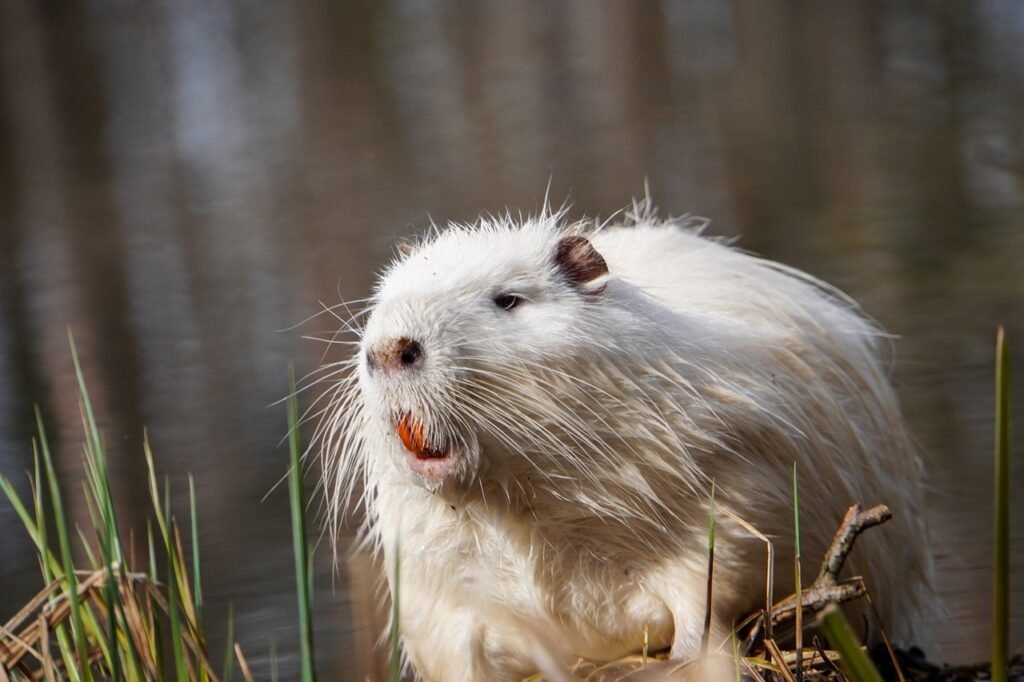
The capybara, with its signature shaggy brown and reddish-brown fur, is the internet’s undisputed champion of chill. But imagine encountering one of these gentle giants completely devoid of color—a truly stunning and rare sight. This is the albino capybara, an elusive creature that captures both the imagination of wildlife enthusiasts and the curiosity of geneticists.
While their standard-colored cousins are frequently seen soaking in hot springs or socializing with other animals, a Capybara with albinism is a genetic anomaly, rarely surviving long in the wild. This deep dive explores the fascinating science behind their ghostly appearance, the challenges they face, and why their existence is a rare and beautiful spectacle in the animal kingdom.
Decoding the Genetics: What Causes Albinism?
Albinism is not a species-specific trait; it’s a genetic condition that affects the production of melanin, the primary pigment responsible for coloring skin, hair, and eyes in most animals, including capybaras. It results from a mutation in one or more genes that regulate the synthesis of this pigment.
In the vast majority of cases across the animal kingdom, including the pale-colored capybara, albinism is caused by an autosomal recessive gene. This means an animal must inherit a copy of the mutated gene from both parents to display the condition. If an animal inherits only one copy, they are typically a healthy carrier, or “heterozygote,” showing no symptoms themselves but capable of passing the gene on.
The gene most commonly involved is the tyrosinase gene (TYR). Tyrosinase is an enzyme crucial for the first steps in the production of melanin. A defective TYR gene leads to a complete or near-complete absence of the enzyme, resulting in a lack of pigmentation throughout the body.
Albinism vs. Leucism: The Key Distinction
It’s important to distinguish between albinism and leucism, as both conditions result in pale animals. An animal with albinism has a complete absence of melanin, affecting all body parts, and is characterized by red or pink eyes due to the visible blood vessels beneath the iris, which lacks pigment.
Leucism, conversely, is a partial loss of pigmentation. A leucistic animal will have white or pale patches but typically retains some normal pigmentation, often resulting in dark or blue eyes. When you see a pure white capybara with ruby-red eyes, you are almost certainly looking at a true albino capybara.
The Appearance of the Ghostly Capybara
The appearance of a Capybara with albinism is striking, setting it apart instantly from its normal-colored herdmates. Their coloration is entirely defined by the absence of melanin.
Fur and Skin
Instead of the standard reddish-brown to dark-brown fur, the albino will have fur that appears pure white or pale cream. This absence of pigment extends to their skin, which is often a very light pink color due to the blood vessels close to the surface, making them more sensitive to the sun.
The Eyes are the Tell-Tale Sign
The most defining feature of a true albino is the color of the eyes. An albino capybara will have red or pink irises. This is because there is no melanin to mask the blood that circulates in the retina, giving the eyes their characteristic crimson hue. This complete lack of pigmentation makes the animal highly susceptible to light.
The Survival Challenges of Albinism in the Wild
While their unique appearance makes them subjects of fascination for humans, it poses significant, often life-threatening, challenges for the pale-colored capybara in its natural habitat. Albinism is a beautiful mistake of nature that carries a heavy survival cost.
1. Increased Predation Risk
Capybaras typically rely on their cryptic coloration (their dark, earthy fur) to blend in with the muddy banks and dense vegetation of the South American wetlands. A pure white capybara stands out sharply against this background, making it an easy target for predators like jaguars, anacondas, and caimans. They lose their natural camouflage, drastically lowering their chances of survival into adulthood [Source: Study on survival rates of albino animals in the wild].
2. Vision and Sun Sensitivity
The lack of pigment in the eyes causes severe vision problems. The iris normally helps filter and regulate the amount of light entering the eye. Without melanin, too much light floods the retina, causing photophobia (extreme sensitivity to light). This impaired vision can make it difficult for the capybara to find food, navigate its environment, and, critically, detect predators.
Furthermore, their unpigmented skin is extremely vulnerable to the strong sun of their tropical and subtropical range, putting them at high risk of sunburn and skin cancer. They would need to spend more time in shade or water, which can disrupt their normal foraging and social behavior [Source 2: Research on albinism and health effects in mammals]. For tips on the normal behavior patterns of these animals, check out our guide on The Daily Life of a Capybara.
Rare Sightings and Captive Breeding
Sightings of Capybara with Albinism in the wild are exceedingly rare. Given the high rate of natural predation and the health issues associated with the condition, most do not survive past their juvenile stages. Documented cases are often shared widely online precisely because of their rarity.
However, albinism is slightly more common in captive populations, such as zoos or wildlife sanctuaries. The controlled, safe environment protects them from predators and provides the necessary specialized care, including shade and medical attention, which allows them to thrive and live a full life span.
The Ethical Considerations
While the sight of a white capybara is marvelous, the ethics of intentionally breeding for albinism are debated. In a controlled setting, it can be a way to study the genetic condition, but most reputable facilities prioritize the health and genetic diversity of their animals over novelty. The focus remains on conservation and the well-being of the species as a whole, rather than promoting traits that are detrimental to wild survival.
The Capybara’s Continuing Charm
The rarity and vulnerability of the albino capybara only add another layer to the species’ massive appeal. They serve as a poignant reminder of the incredible complexity of genetics and the delicate balance of nature. Whether they are the usual earthy brown or a stunning pale white, the capybara remains a symbol of tranquility and social acceptance.
The very existence of this pale-colored capybara highlights the vast genetic potential within every species. They remind us that even the world’s largest rodent can hold surprising and breathtaking secrets. If you want to learn more about the standard coloration and characteristics that make them so appealing, dive into our article on Capybara Physical Traits and Charm.
The next time you see a picture or video of one of these ghostly figures, remember that you are looking at a living testament to a remarkable and challenging genetic legacy.