
The dream of sharing a backyard with the world’s most relaxed animal is a powerful one. With their stoic expressions and chill vibes, it is no wonder that searches for a capybara pet for sale have skyrocketed in recent years. However, transitioning from a fan to a responsible owner involves more than just finding a source, it requires navigating a labyrinth of local, state, and federal regulations.
At Capybara Happiness, our mission is to move beyond the viral memes and focus on advocacy and education. Before you start looking into capybara price and availability, you must understand that these are exotic animals, not domesticated pets like dogs or cats. In this guide, we will break down the legal realities and ethical considerations of legal capybara ownership.
Is It Legal? The Patchwork of Exotic Animal Laws
The first question any aspiring owner asks is, is it legal to own a capybara in my area? The answer is rarely a simple yes or no. In the United States and many other countries, exotic animal laws are a patchwork of varying regulations that can change at the state, county, or even city level.
Some states, like Texas and Florida, are generally more permissive regarding the market for exotic rodents, often allowing ownership with minimal paperwork or a standard permit. However, other states, such as California and New York, have strict prohibitions against keeping capybaras as pets. Even in legal states, individual cities may have zoning laws that classify capybaras as dangerous wild animals or livestock, effectively banning them from residential neighborhoods.
According to FindLaw’s guide on exotic pet laws, it is the owner’s responsibility to verify legality with their local Department of Fish and Wildlife or Department of Agriculture. Failure to do so can lead to the seizure of the animal and heavy fines, which is a heartbreaking outcome for both the owner and the capybara.
Permitting and Paperwork: The Cost of Compliance
Even in jurisdictions where ownership is allowed, you will likely need to jump through several bureaucratic hoops. Most states require an exotic animal permit, which often involves an initial application fee and an annual renewal cost. These permits are not just buy-and-go documents, they often come with strict requirements for housing and care.
For example, a wildlife officer may need to inspect your property to ensure you have a secure, escape-proof enclosure before you can even begin looking for capybara breeder availability. This is why we emphasize the importance of preparation on our website. Legal ownership is a commitment to transparency and high standards of animal welfare.
Additionally, some states require owners to maintain liability insurance for their exotic pets. Because capybaras are large and possess powerful teeth, insurance companies may view them as a risk. This hidden cost can significantly impact the overall capybara pet price, making it a much larger financial undertaking than many expect.
Finding a Reputable Source: Avoiding the Underground Market
Once you have cleared the legal hurdles, the next challenge is finding the animal itself. When searching for where to find capybara pups, it is vital to distinguish between ethical, licensed breeders and illegal wildlife traffickers. A reputable breeder will always be willing to show you their facilities, provide veterinary records, and ask you questions to ensure you are a fit owner.
The market for exotic rodents is unfortunately rife with unethical practices. You should avoid any seller who offers to ship an animal discreetly or who cannot provide a USDA license (if in the US). Reputable capybara breeder availability is often limited, with long waiting lists, because responsible breeders do not overproduce animals for profit.
Buying from an unlicensed source not only supports animal cruelty but also puts you at legal risk. If the animal was obtained illegally, it can be confiscated regardless of your local laws. For more information on the logistical and financial realities, check out our deep dive into the cost of a capybara here on the site.
The Ethical Legalities: Social and Biological Needs
Legal ownership isn’t just about following the law, it’s about honoring the biological needs of the animal. Many people search for a capybara pet for sale intending to buy just one. However, in many jurisdictions, keeping a solitary capybara is considered a violation of basic welfare standards because they are obligated social animals.
In the wild, capybaras live in large family groups. A solitary capybara will often suffer from extreme stress, which can lead to a weakened immune system and behavioral issues. A truly legal and ethical setup involves owning at least two capybaras. This effectively doubles your capybara pet price and your space requirements, but it is the only way to ensure the animal’s psychological health.
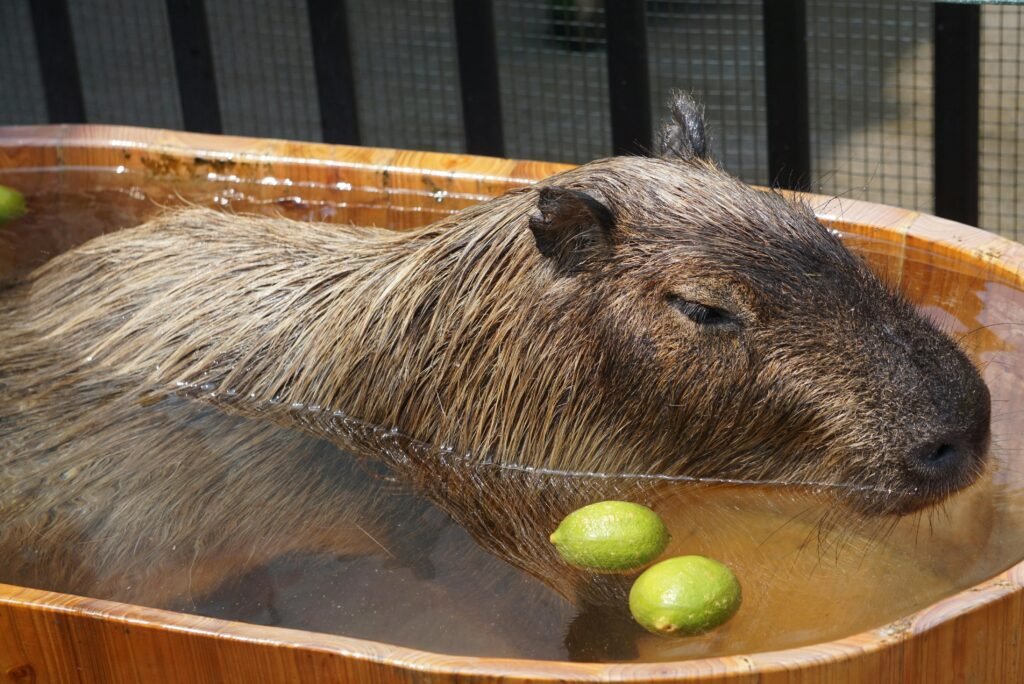
Furthermore, you must provide a permanent, deep-water source. Capybaras are semi-aquatic and use water for thermoregulation, skin health, and even as a place to eliminate waste. As noted by The Spruce Pets, providing a filtered pond or pool is an essential requirement that is often checked during permit inspections.
Veterinary Care and Public Liability
One of the most overlooked aspects of legal ownership is medical care. Most neighborhood veterinarians are not trained to treat a 140-pound rodent. Before bringing a capybara home, you must secure the services of a licensed exotic animal veterinarian who is comfortable with the species.
According to the American Veterinary Medical Association (AVMA), exotic pets require specialized knowledge in nutrition, anesthesia, and disease management. If you cannot find a local vet with this expertise, you may find yourself driving several hours for a routine checkup. This accessibility is a factor that wildlife agencies consider when granting permits.
Finally, consider the legal liability of having an exotic animal on your property. If a neighbor’s child is bitten or if the animal escapes and causes a traffic accident, you are legally responsible. Proper fencing and public safety protocols are not just suggestions, they are legal necessities that protect you and your community.
Is a Capybara Right for You?
The cool factor of owning a capybara is high, but the legal and ethical burden is even higher. At Capybara Happiness, we believe that for 99% of fans, the best way to enjoy these animals is through visits to accredited zoos and sanctuaries. This allows you to support conservation without the massive legal and financial stress of private ownership.
If you choose to pursue legal ownership, do so with your eyes wide open. Research your local laws, prepare a massive, water-rich habitat, and ensure you have the funds for two animals and specialized vet care. Only then can you truly provide a home where a capybara can be happy and healthy.
Are you ready to commit to the lifestyle of a legal exotic pet owner? Join our community to learn more about how you can advocate for these animals in the wild, ensuring that every capybara, whether in a zoo or in the Amazon, lives a life of respect and peace.