
If you have ever scrolled through social media and fallen in love with the ultimate Zen masters of the animal kingdom, you are not alone. With their calm expressions, gentle nudges, and legendary friendships with other species, capybaras have captured hearts worldwide. It is no surprise that many animal lovers in the Old Dominion are wondering if they can bring one of these giant rodents home.
However, transitioning from admiring these semi-aquatic sweethearts online to actually managing Capybara Pet Ownership in Virginia is a massive undertaking. These are not just oversized guinea pigs, they are wild animals with highly specific physical, social, and dietary demands. Before you start looking for a harness or picking out names, there is a mountain of preparation you must climb.
This comprehensive guide will walk you through the legalities, financial investments, habitat requirements, and veterinary realities of keeping a pet capybara in Virginia.
The Legal Landscape: Exotic Pet Laws in Virginia
The very first question any prospective owner must ask is, Is it legal to own a capybara in Virginia? According to the exotic pet rankings on World Population Review, Virginia is classified as a state where capybaras are legal to own, but a formal state permit is strictly required. You cannot simply buy a capybara and bring it home without the proper paperwork in hand.
State-level oversight of exotic animals is managed by the Virginia Department of Wildlife Resources (DWR). To legally possess a capybara, you must apply for and obtain a specific nonnative exotic animal permit. The application process typically involves proving that you have a secure, escape-proof habitat and a clear plan to care for the animal safely.
Even if you successfully navigate the state permit process, you must also look into local municipal and county ordinances. Many local jurisdictions in Virginia have their own strict regulations that supersede state laws. For example, cities like Blacksburg require annual dangerous animal registration, while counties like Loudoun enforce bans on several exotic animal families. Always call your local animal control or zoning board before making any purchases.
Finding Your Giant Bestie: Where and How to Buy a Capybara
Once you have secured your permits, your next challenge is finding a reputable source to acquire your capybara. You will quickly discover that there are no major, USDA-licensed capybara breeders operating directly within the borders of Virginia. Most reputable breeders are located in states with more relaxed exotic pet laws, such as Texas or Florida.
This means you will likely need to import your new pet across state lines. Importing an exotic animal into Virginia requires compliance with the Virginia Department of Agriculture and Consumer Services (VDACS). You must obtain a Certificate of Veterinary Inspection (CVI) signed by an accredited veterinarian in the state of origin before the animal can enter Virginia.
Never buy a capybara from unregulated online classifieds or sellers who cannot provide official USDA licensing paperwork. Legitimate breeders prioritize the health of their animals and will happily answer your questions about the capybara’s lineage, early socialization, and health history.
The Real Price Tag: What Does a Capybara Cost?
Owning the world’s largest rodent is far from cheap. On average, the purchase price for a single capybara pup ranges between $1,000 and $3,000, with females often commanding a premium. However, you must immediately double that number because capybaras are highly social herd animals. Keeping a single capybara is considered inhumane because they can easily slip into severe depression without a companion.
According to cost breakdowns on Adopt a Pet, the initial purchase price is just a fraction of the overall financial commitment. You will also need to factor in several thousand dollars for habitat construction, fencing, and aquatic setups.
Ongoing monthly costs can also add up fast. You should expect to spend hundreds of dollars each month on fresh hay, produce, and specialty pellets. Additionally, operating water pumps, heaters, and massive filtration systems for their pool will noticeably inflate your monthly electric bill.
Designing the Ultimate Backyard Oasis: Habitat Setup
In the wild, capybaras live a semi-aquatic lifestyle along the rivers and swamps of South America. Recreating this environment in a Virginia backyard requires careful planning and a lot of space. Your yard must have a sturdy, secure fence that is at least five to six feet tall, as capybaras are surprisingly agile jumpers and excellent diggers.
The centerpiece of your habitat must be a deep pool. Capybaras need water to swim, play, and properly hydrate their dry skin. A simple plastic kiddie pool will not suffice, they require a pool deep enough to submerge their entire bodies, equipped with a heavy-duty commercial filtration system. Without constant filtration, the water will quickly become a breeding ground for harmful bacteria.
Virginia’s seasonal climate presents another major challenge for potential owners. While capybaras love the warm, humid summers, Virginia winters can be incredibly harsh for a tropical species. You must build a fully insulated, heated indoor shelter where your capybaras can escape freezing temperatures.
Feeding a Giant Rodent: Diet and Nutrition
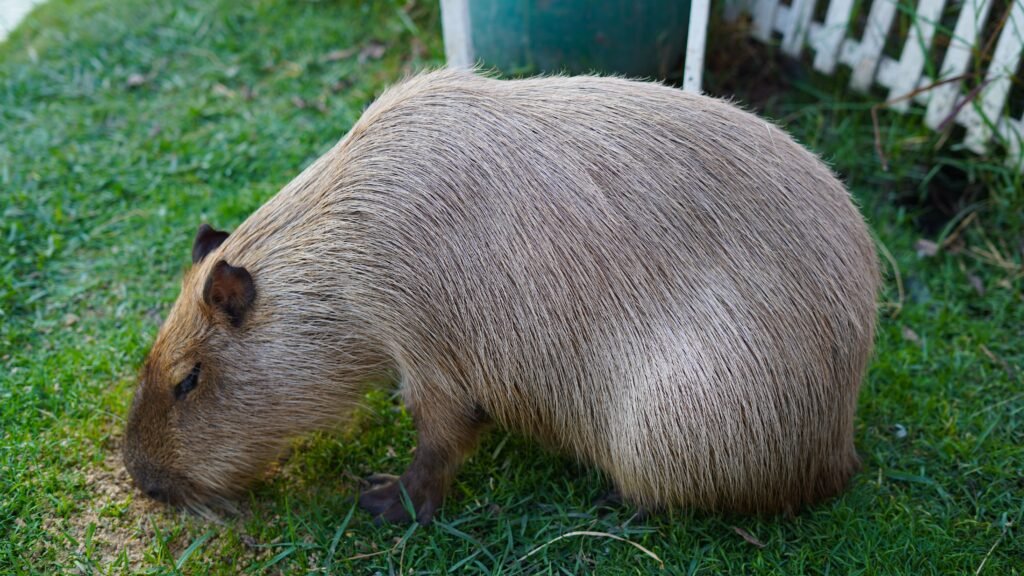
An adult capybara can weigh anywhere from 75 to 140 pounds, and they require a mountain of food to maintain their size. Their diet must consist primarily of high-quality orchard grass or Timothy hay, which should be available to them at all times. Chewing on tough grasses is crucial because their teeth grow continuously throughout their lives.
In addition to unlimited grass and hay, capybaras need specialized guinea pig pellets. Like guinea pigs, capybaras cannot naturally synthesize Vitamin C. Without daily Vitamin C supplementation in their diet, they can quickly develop scurvy, a painful and potentially fatal condition.
You can supplement their daily diet with fresh, dog-safe vegetables like romaine lettuce, bell peppers, and carrots. However, you should strictly limit sweet fruits and sugary treats. A diet too high in sugar can disrupt their sensitive digestive tracts and cause severe gastrointestinal issues.
Healthcare: Finding a Capybara Vet in Virginia
Before you even think about bringing your capybaras home, you must secure a local veterinarian who is willing and qualified to treat them. Standard dog and cat clinics do not have the training, equipment, or licenses required to handle large exotic rodents.
Fortunately, Virginia is home to a few highly respected exotic animal practices. In Northern Virginia, Stahl Exotic Animal Veterinary Services in Fairfax County offers premier medical and surgical care for non-traditional pets. Another phenomenal option is the Pender Exotics Veterinary Centre in Fairfax, which provides dedicated care and emergency services.
Be prepared to travel for veterinary visits if you do not live in the Northern Virginia area. Regular checkups, dental monitoring, and emergency visits are non-negotiable parts of responsible ownership.
Is a Capybara Right for You?
Owning a capybara in Virginia is an incredible adventure, but it is not a decision to be made lightly. It requires strict legal compliance, a significant financial investment, and daily physical labor to maintain their aquatic habitat. If you have the space, the budget, and the patience, these gentle giants will reward you with endless companionship and joy.
Final Thoughts: Weighing the Joy Against the Job
At the end of the day, welcoming a capybara into your Virginia home is not like adopting a golden retriever or a tabby cat. It is a highly specialized lifestyle commitment that will redefine your daily routine, your backyard layout, and your bank account. The reward, however, is the incomparable bond you will build with some of the gentlest, most emotionally intelligent creatures on the planet. If you have the land, the financial security, and the dedication to handle the permitting process, your backyard will easily become the happiest haven in the Old Dominion.
Thank you for exploring the realities of responsible exotic animal care with us at Capybara Happiness. By taking the time to educate yourself on the unique biological needs of the world’s largest rodent, you are paving the way for a successful, lifelong partnership with nature’s most peaceful creatures. Stay informed, stay prepared, and keep celebrating the joy of the capybara lifestyle!