
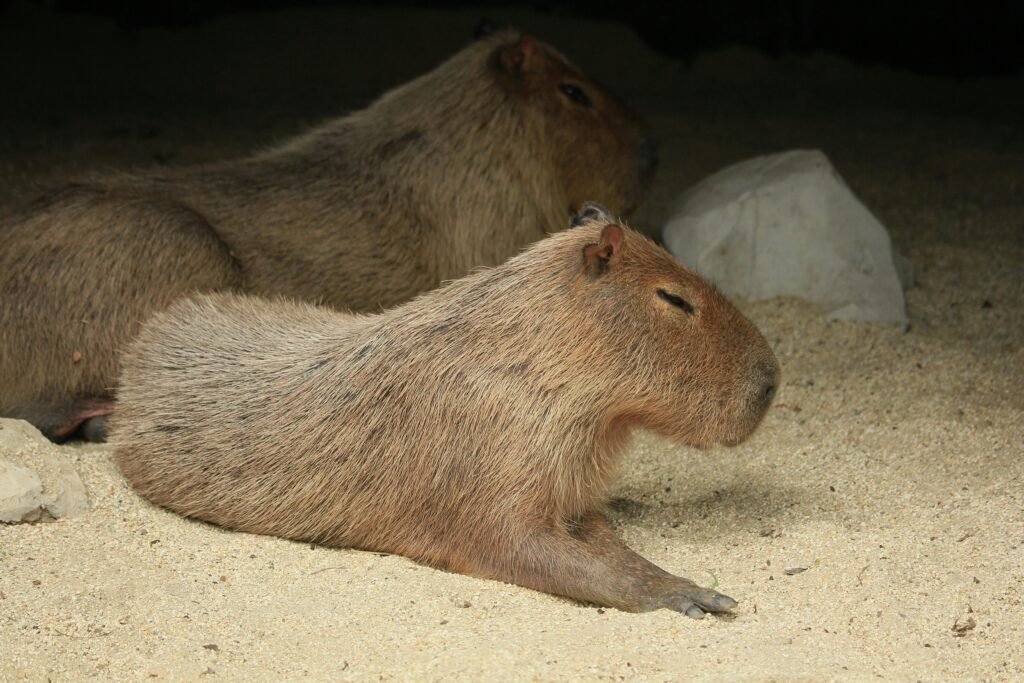
The capybara, the world’s largest, most laid-back rodent. Their perpetually calm demeanor and uncanny ability to befriend every other animal make them the ultimate meme star. This universal adoration has certainly reached Mexico, where the “coconut dog” (as it is affectionately nicknamed) has experienced a significant surge in popularity, despite not being widely native to the country.
Exploring the capybara in Mexico is a fascinating study of modern media influence intersecting with wildlife education. From viral moments captured at city zoos to a burgeoning presence in merchandise and online discourse, the capybara’s journey in Mexican media is a testament to its compelling, gentle charm.
The Native Range vs. The Cultural Footprint
The first crucial distinction to make is between the capybara’s natural range and its cultural presence in Mexico. The capybara (Hydrochoerus hydrochaeris) is primarily a South American mammal, thriving in the wetlands and savannas of countries like Brazil, Venezuela, Colombia, and Argentina [Source: Capybara Native Range and Distribution]. While some reports suggest a historical or sporadic distribution reaching into the southern portions of Central America, Mexico is generally not considered part of its core native range.
However, the lack of a widespread Mexican capybara population in the wild has not hindered its rise to fame. Its popularity is largely driven by its presence in captive settings and the unstoppable force of social media. This modern cultural embrace often overshadows the traditional fauna of Mexico’s own diverse ecosystems.
The Role of Zoos and Parks
For most Mexicans, the capybara is a species encountered not on a riverbank, but behind the enclosure of a major metropolitan zoo. Iconic institutions like the Chapultepec Zoo in Mexico City and the Guadalajara Zoo have exhibited capybaras for years, serving as the primary touchpoints for the public to connect with these giant rodents.
These zoo residents often become local celebrities, with videos of their antics, such as bathing or interacting with their caretakers, generating substantial buzz online. The experience of seeing the calmest animal on Earth up close in a bustling urban park transforms the capybara from an exotic species into a tangible, beloved figure in the city’s landscape.
Capybara in Mexican Media: The Meme Phenomenon
The capybara’s true colonization of Mexico has occurred through the digital world. The animal’s universally recognized “vibe” (a profound, almost comical state of chill) translates perfectly across language barriers and cultural contexts.
The Rise of the “Coconut Dog”
The affectionate nickname “coconut dog” is a perfect example of the global, and specifically Spanish-speaking, internet culture embracing the capybara. This whimsical title references both their size (like a coconut) and their dog-like friendliness. In Mexican media, memes, fan art, and TikTok videos featuring the capybara are commonplace, often juxtaposing the animal’s tranquil nature with the chaos of everyday life.
This phenomenon is more than simple entertainment. It creates an emotional connection, making the capybara a symbol of calmness and non-judgmental acceptance. This emotional resonance is key to their success in the rapidly evolving landscape of social media and merchandise sales [Source 3: Analysis of Capybara internet trends and cultural embrace].
Media Representation vs. Conservation Focus
While the popular image of the capybara is overwhelmingly positive, focused on its cuteness and companionship, the media coverage also serves a crucial educational function. Many articles and videos about Capybara and Mexican Wildlife will naturally contrast the famous rodent with Mexico’s native species, like the smaller, more elusive Paca (a large rodent sometimes confused with the capybara in conversation).
This contrast can inadvertently raise awareness for local Mexican rodents that deserve attention, creating a moment of dialogue about Mexico’s own unique biodiversity. It highlights the importance of protecting all unique wildlife, whether they are global celebrities or quiet natives.
Merchandising and Cultural Impact
The cultural adoption of the capybara in Mexico has a clear commercial dimension. The animal’s easy-to-love image has made it a retail success. Capybara-themed plush toys, clothing, keychains, and phone accessories are widely available, reflecting a genuine consumer demand driven by online exposure.
This merchandising trend is an indicator of the species’ integration into modern Mexican popular culture. When an animal becomes a ubiquitous part of gift shops and local markets, it signifies that it has become a recognized and beloved cultural icon, regardless of its biological origins. If you’re looking to incorporate some of that capybara chill into your own life, check out our guide on The Capybara Lifestyle.
Ethical Considerations in Mexico
The capybara’s popularity in media can, unfortunately, spill over into the desire for private ownership, a trend seen globally and locally. While they are fascinating animals, ownership is highly regulated and requires a specialized, semi-aquatic environment. The increasing visibility of the Capybara in Mexico necessitates a parallel increase in awareness about responsible animal care and the ethical implications of exotic pet ownership.
Mexican authorities, like those worldwide, must manage the interest spurred by media with strict regulations to prevent harm to the animals and potential ecological issues from escapes. This highlights the need for balanced media representation that emphasizes conservation and proper habitat over simple cuteness [Source 4: Information on the high standards for exotic pet care].
The Future of the Capybara’s Image
The future of the Mexican capybara (at least in a cultural sense) looks bright and tranquil. As the internet continues to share their gentle interactions, their reputation as the world’s most friendly animal will only solidify.
For the Mexican capybara, the true win is when the viral interest translates into genuine support for wildlife conservation, both for the capybara’s South American wetlands and Mexico’s diverse ecosystems. By embracing the humor and charm of the capybara, Mexican audiences are engaging in a global conversation about animals and the need for their protection.
The capybara’s presence in Mexican culture proves that serenity knows no borders. It serves as a reminder that the largest rodent can be the gentlest ambassador, bringing a moment of calm to the hearts of millions. The growing interest in the capybara in Mexico reflects a beautiful blend of natural endearment and digital culture.If you want to see a capybara in its natural element in South America, take a look at this video that captures the world’s largest rodent in action. Capybara: How Big is the World’s Largest Rodent? This video provides context on the capybara’s size and habitat, which contrasts with its captive presence in Mexico.