
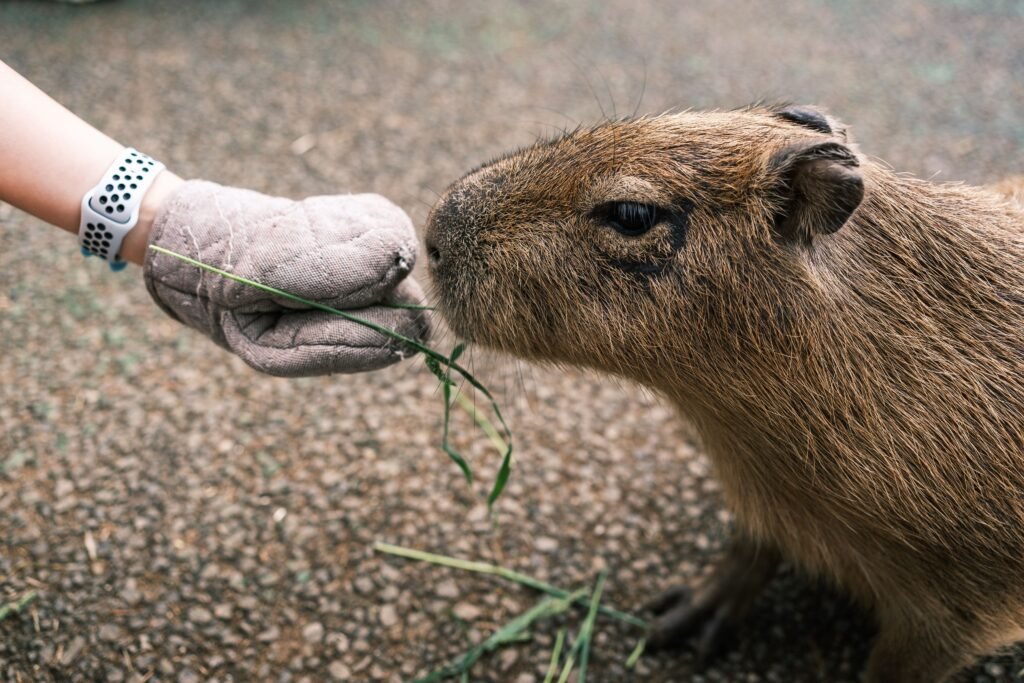
Imagine sharing your morning coffee with a giant, semi-aquatic rodent that looks like an oversized guinea pig and behaves like a highly chilled-out dog. For animal lovers across the Cowboy State, the dream of capybara pet ownership in Wyoming is incredibly tempting. These gentle giants, known for their social nature and viral internet fame, have captured hearts worldwide.
However, bringing the world’s largest rodent into a state known for its rugged mountains, howling winds, and blistering winters is no walk in the park. While keeping these semi-aquatic sweethearts is legally possible under specific guidelines, the reality of managing them day-to-day comes with significant challenges. If you are serious about this dream, you must understand the practical, financial, and legal hurdles before taking the plunge.
Navigating the Legal Maze: Wyoming’s Exotic Pet Laws
Before you start building a cozy outdoor enclosure, you need to navigate the state’s strict wildlife regulations. Under Wyoming Game and Fish Department guidelines, capybaras are classified as exotic wildlife. Unlike neighboring states where they are banned outright, Wyoming allows you to own a capybara, but you cannot simply buy one and bring it home.
To legally keep a capybara, you must secure an official Importation and Possession Permit. This process is governed strictly by the state’s Chapter 10 Regulations on Live Warm-Blooded Wildlife, which evaluate your facilities and containment security. This permit is not a simple form, it requires detailed applications, property inspections, and proof that you can house the animal securely.
Additionally, state legality does not automatically override local municipal laws. Individual counties or cities in Wyoming may enforce their own zoning laws or outright bans on exotic animals. Always consult with your local city hall or county commissioner before submitting your state permit application.
Where to Buy a Capybara and What It Costs
Finding a healthy, legally bred capybara is another major hurdle for aspiring owners in Wyoming. Because they are exotic animals, you should never buy from unregistered, back-alley breeders. Reputable breeders should hold proper licensing and be accredited by the Zoological Association of America to ensure the animal was raised humanely. Most licensed breeders operate in southern states like Texas and Florida, meaning you will need to arrange climate-controlled transportation to Wyoming.
The financial commitment of purchasing a capybara is substantial:
- Initial Purchase Price: A single capybara pup typically costs between $1,000 and $3,500, depending on the breeder, pedigree, and tameness.
- Permit Fees: Application and renewal fees for exotic wildlife permits will add to your baseline cost.
- The Double Cost: Because capybaras are intensely social herd animals, keeping a single capybara can lead to severe depression and self-harming behaviors. To ensure their emotional well-being, you must purchase at least two, doubling your initial costs.
The Cold Reality: Wyoming’s Brutal Winter Climate
Capybaras are native to the warm, tropical wetlands of South America. Wyoming’s climate, characterized by sub-zero winter temperatures, heavy snowfall, and relentless winds, is the exact opposite of their natural habitat. Keeping a semi-aquatic animal warm and active during a Casper or Cheyenne winter requires massive infrastructure.
During the cold months, capybaras cannot simply run around your snowy backyard. You will need a fully insulated, heated indoor barn or dedicated outbuilding maintained at a minimum of 70°F (21°C). This indoor space must feature heated floors and a specialized, deep soaking pool.
Without a warm, clean water source to submerge in, their skin will dry out, crack, and become prone to severe, painful infections. Keeping this pool heated and constantly filtered will cause your monthly utility bills to skyrocket.
Specialized Veterinary Care in the Cowboy State
Finding medical care for a dog or horse in Wyoming is easy, but finding a veterinarian qualified to treat a 140-pound exotic rodent is incredibly difficult. Standard veterinary clinics do not possess the specialized training, equipment, or anesthesia protocols required to safely treat capybaras.
Before your permit is approved, you will likely need to prove you have a dedicated exotic vet on retainer. A few regional facilities offer specialized care:
- Mountainaire Animal Clinic in Rock Springs provides specialized veterinary care and surgical services for exotic mammals.
- Red Hills Veterinary Hospital in Gillette offers dedicated diagnostic and wellness care for unique and exotic pets.
Even with these clinics available, you must consider the logistics of transporting a sick, heavy, stressed animal several hours across icy highways during a winter emergency.
Dietary and Structural Needs
Capybaras are strict herbivores with digestive systems built to process tough grasses. Their teeth grow continuously throughout their lives, meaning they must constantly chew to wear them down.
To prevent dental disease, you must provide a constant supply of high-quality orchard grass, orchard hay, and specialized rodent pellets. Their structural needs are equally demanding. Outside of winter, capybaras require a large, escape-proof yard with a secure fence at least five feet high, as they are surprisingly agile jumpers and powerful diggers. Their outdoor enclosure must also feature a large pond that is deep enough for them to fully submerge and swim, as swimming is essential for their joint health, mental stimulation, and digestion.
Are You Ready for the Commitment?
Owning a pet capybara in Wyoming is a massive, long-term commitment that can easily span 8 to 12 years. The combination of strict state permitting, the necessity of buying them in pairs, building heated indoor sanctuaries, and securing scarce exotic veterinary care makes them one of the most challenging pets you could choose to own in the Rocky Mountain region.
If you have the space, the deep pockets, and the dedication to handle the unique demands of Wyoming’s climate, these incredibly charming animals will reward you with unparalleled companionship. If not, keeping your love for capybaras online might be the kindest choice for both you and these gentle South American giants.
Final Thoughts: Facing the Winds of the Cowboy State
Wyoming’s rugged beauty and vast open spaces offer the perfect backdrop for animal lovers, but the local climate is undeniably hostile to a tropical South American species. Owning a capybara here is a true test of dedication, requiring you to battle freezing winds, build advanced heated indoor pools, and travel long hours for medical care. It is a long-term, decade-long commitment that should never be entered into on a whim. But if you have the resources to conquer the Wyoming winter and keep your giant rodents thriving, you will be rewarded with a unique, incredibly rewarding friendship that is as wild and wonderful as the Cowboy State itself.
Thank you for exploring the realities of responsible exotic animal care with us at Capybara Happiness. By taking the time to educate yourself on the unique biological needs of the world’s largest rodent, you are paving the way for a successful, lifelong partnership with nature’s most peaceful creatures. Stay informed, stay prepared, and keep celebrating the joy of the capybara lifestyle!