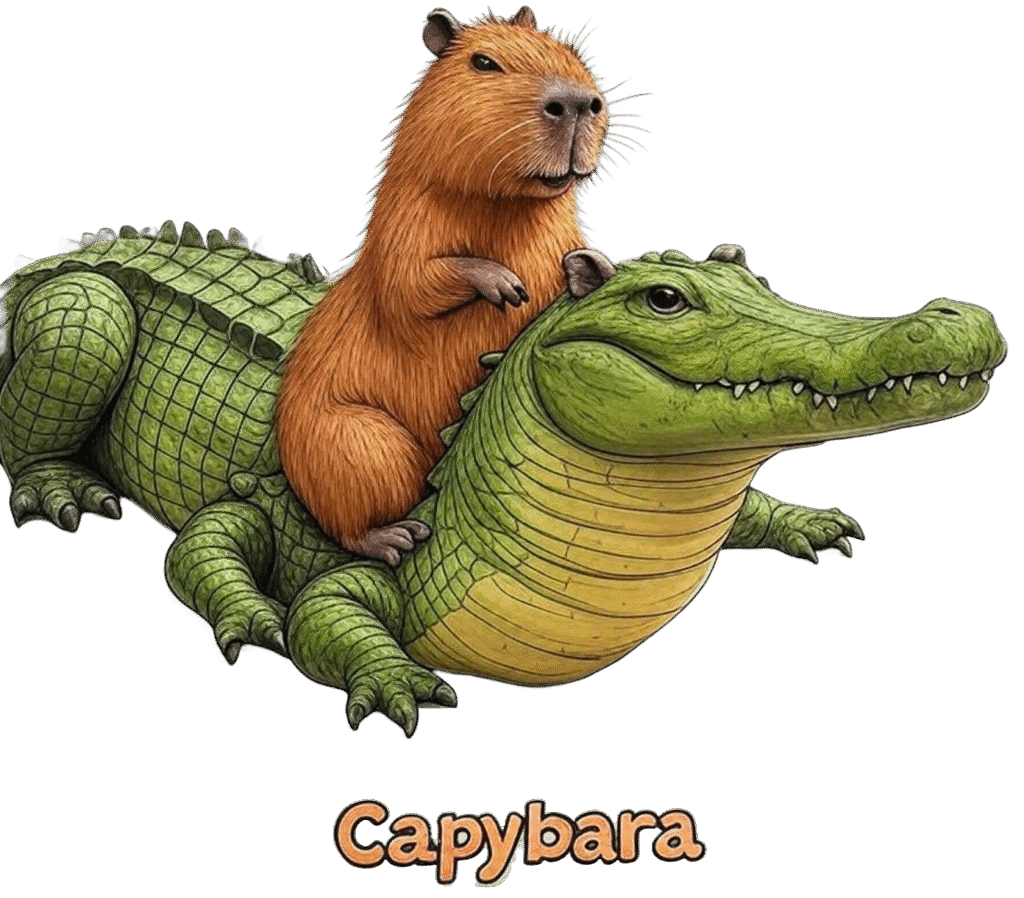
The capybara is an animal known for many things: its perpetually calm demeanor, its surprising friendships with other creatures, and its status as the world’s largest rodent. But there’s one habit that often comes as a shock to people who are just discovering this fascinating creature: they eat their own poop!
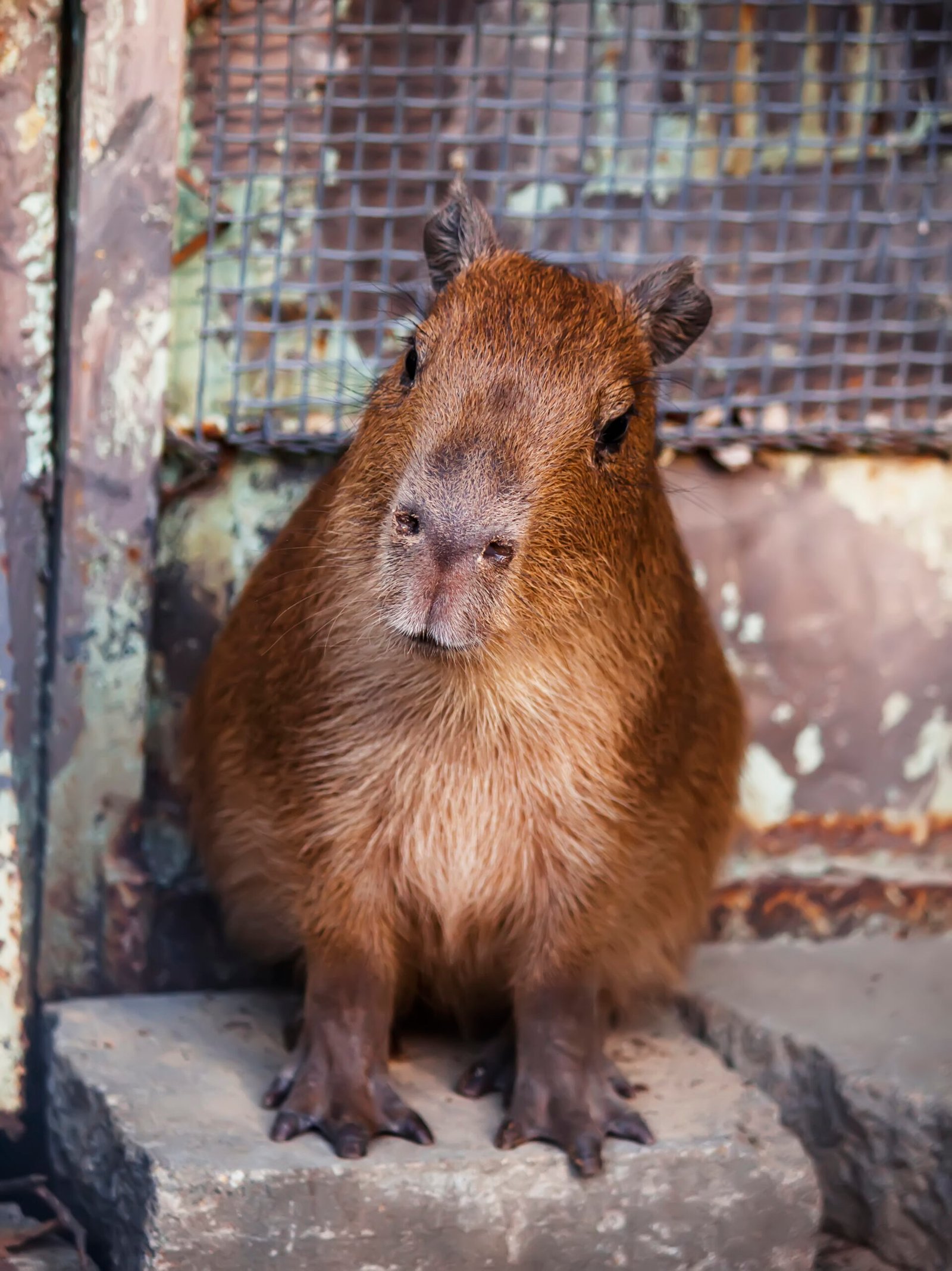
While it may sound unappealing to us, this behavior is a completely natural and essential part of the capybara’s survival. Known scientifically as coprophagy (or more specifically, autocoprophagy, since they eat their own), this is a brilliant digestive strategy that turns a seemingly gross habit into an elegant solution for a tough problem.
In this detailed blog post, we’re going to get to the bottom of this bizarre behavior. We’ll explore the science behind it, why it’s so important for a capybara’s diet, and how it’s just one piece of a complex puzzle that allows this capybara animal to thrive in its challenging environment.
The Challenge of a Herbivore’s Life
To understand why capybaras eat their own poop, we first have to look at what they eat. As a strict herbivore, the capybara’s diet consists almost entirely of tough, fibrous grasses and aquatic plants. These foods are abundant in their South American wetland capybara habitat, but they present a major challenge: cellulose.
Cellulose is a complex carbohydrate that makes up the cell walls of plants. It’s incredibly difficult for most animals to break down and extract nutrients from. Humans, for example, can’t digest it at all. Large herbivores like cows and deer have a special, multi-chambered stomach to ferment these plant materials and get the nutrients out. This process, known as rumination, involves chewing and re-chewing their food (cud). The capybara, however, does not have a ruminant stomach. It has a simple digestive system that isn’t particularly efficient at processing its high-fiber diet on the first pass.
This is where their “unusual” habit comes in.
The Two-Course Meal: Capybaras and Coprophagy
The capybara’s digestive solution is to run the food through its system twice. Here’s a simplified look at the process:
- First Pass: When the capybara first eats grass, the food travels through its digestive tract. During this journey, it ferments in the cecum, a large pouch at the beginning of the large intestine. The capybara’s body absorbs some of the nutrients, but many others, particularly proteins and vitamins, are still locked within the fibrous material.
- Second Pass: The capybara then excretes a special type of soft, nutrient-rich feces. These droppings are packed with undigested plant material, but they also contain a high concentration of beneficial microbes and vitamins, particularly B vitamins and Vitamin K, which were produced by the fermentation process. To avoid wasting these precious nutrients, the capybara simply eats the droppings.
By consuming this special poop, the capybara effectively gets a second chance to digest the material and absorb all the nutrients it missed the first time. It’s an incredibly efficient way to maximize their food intake and get the most out of a low-quality, high-volume diet. This makes coprophagy a critical part of their survival strategy, especially during seasons when their preferred grasses are scarce.
Not Just Capybaras: A Common Herbivore Trait
While it might seem strange to us, the capybara is not alone in this behavior. Many other herbivores, including rabbits, guinea pigs, and chinchillas, also practice coprophagy. For all of these animals, it is a sign of a healthy digestive system and a necessary part of their nutritional intake. In fact, if a pet owner notices that their capybara baby is not engaging in this behavior, it could be a sign of a health problem.
This behavior is a prime example of the kind of capybara fun facts that reveal how truly unique these animals are. Their peaceful and docile nature might make them seem uncomplicated, but a closer look at their biology reveals a sophisticated creature with a finely tuned system for survival.
The Capybara as a Pet: What This Means for Owners
For those interested in a capybara as a pet, understanding their dietary habits is absolutely essential. Providing a capybara’s diet is more than just throwing some grass their way. They need a constant supply of high-quality hay and fresh grass to ensure their digestive system is functioning properly and that their continuously growing teeth are being worn down.
Owners must never try to prevent a capybara from practicing coprophagy. Not only is it a normal part of their behavior, but it’s vital for their health. Depriving them of this can lead to serious nutrient deficiencies and other digestive problems. This is just one of the many reasons why owning a capybara pet is such a major commitment.
The Poop-eater and the Chill Capybara
The capybara meme often portrays this animal as the ultimate symbol of relaxation. You see capybara in water in a serene bath, a bird perched on its head, or simply a capybara cute image of it lounging in the sun. This persona of being the “chillest” animal is well-earned. But behind that calm exterior is an incredibly resilient and biologically complex creature.
Their “master of the grasses” title is a perfect fit. Every aspect of their life, from their physical adaptations to their dietary habits, is finely tuned to allow them to thrive in their environment. So the next time you see a capybara drawing, or hear a capybara noise, remember that there’s a lot more to this animal than meets the eye. Their ability to eat their own poop is not a flaw, but a brilliant example of nature’s ingenuity. It’s just one of the many reasons why this capybara animal is so fascinating and deserves our admiration.
To learn more amazing capybara facts and explore their world, you can research their unique social dynamics, their capybara life span, or their capybara habitat. And if you’re lucky enough to visit a capybara cafe, perhaps you’ll gain an even greater appreciation for these remarkable animals.