
The internet has crowned a new king of cuddles, a champion of chill, and the undisputed heavyweight of heartwarming moments: the capybara. This South American native, the world’s largest rodent, has transcended its taxonomic classification to become a global icon of tranquility and capybara cute behavior. From viral videos of them chilling in hot springs to their famously friendly interactions with virtually every other animal, the capybara’s appeal is universal and undeniable.
This comprehensive look dives deep into the phenomenon, exploring the science, sociology, and sheer adorable charisma that makes the capybara such a beloved creature. Prepare to understand why these gentle giants are the epitome of wholesome content and the ultimate symbol of peace in the animal kingdom.
What Makes a Capybara Cute? The Science of Attraction
The capybara’s cuteness is not accidental, it’s a beautiful blend of evolutionary traits and behavioral patterns that trigger positive responses in humans. They possess several features that align with what we instinctively perceive as “cute,” a concept often linked to neoteny – the retention of juvenile features into adulthood.
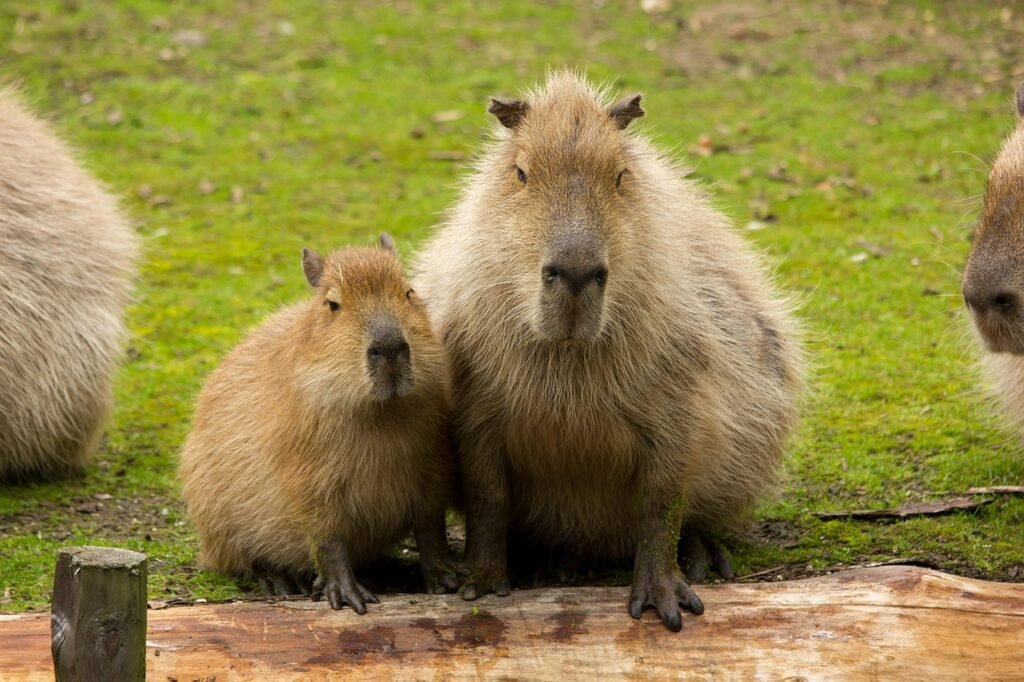
Capybaras have a blocky, slightly oversized head and small, widely spaced ears, which can give them a perpetually gentle and unassuming look. Their dark, placid eyes contribute to an expression of calm that is highly appealing. Unlike many rodents, their movements are slow, deliberate, and remarkably graceful, especially when they are in the water, adding to their air of serenity.
Their dense, brown, shaggy fur and stout, barrel-shaped bodies give them a huggable appearance. They look like a perfectly engineered package of chill, ready to nap at a moment’s notice. This physical configuration is a key reason for the widespread obsession with capybara cute moments captured online.
The Social and Behavioral Traits
Beyond their looks, the capybara’s behavior is the biggest factor in their global adoration. They are incredibly social animals, living in groups of around 10 to 20 individuals, but sometimes gathering in herds of up to 100 during dry seasons [Source: A general overview of Capybara social behavior].
This inherent gregariousness extends far beyond their own species. Capybaras are famous for their almost unbelievable tolerance for other animals, from monkeys and birds resting on their backs to cats and even caimans sharing their space. They are the definition of an animal diplomat.
This remarkable ability to coexist peacefully with diverse species is a primary driver of the “Capybara being cute” trend on social media. People are drawn to this display of effortless, non-judgmental acceptance, viewing the capybara as a symbol of universal harmony. If you want to see more examples of this interspecies friendliness, check out our guide on Capybara Friendships.
The Chill Factor: Why Capybaras are the Zen Masters of the Animal World
Capybaras are semi-aquatic mammals, meaning they spend a significant amount of time in water, which is crucial for thermoregulation and avoiding predators. This habitat preference contributes immensely to their laid-back image.
They are excellent swimmers and can hold their breath for up to five minutes. They often sleep in the water, keeping only their noses above the surface. This constant proximity to water seems to instill a profound sense of calm that is infectious.
The Art of the Hangout
The most common and celebrated images of capybara cuteness involve them simply hanging out. Whether they are floating serenely in a pond, basking in the sun with their eyes closed, or simply sitting perfectly still, they exude an aura of total relaxation. This “chill factor” is a significant part of their appeal in our fast-paced human world.
The contrast between their large size and their gentle demeanor is striking. They are the biggest rodent, yet they behave with the quiet dignity of a well-adjusted house pet. They challenge our assumptions about “rodents,” proving that even the largest member of a commonly maligned group can be exceptionally charming.
The Capybara’s Cultural Clout: From South America to the World Wide Web
Native to the tropical and temperate regions of South America, capybaras have been a part of local ecosystems and cultures for millennia. Historically, they have been observed and sometimes hunted, but their current global fame is entirely a product of the digital age.
The rise of the capybara began in earnest with viral images and short video clips shared across platforms like YouTube, TikTok, and Instagram. A single image of a capybara calmly letting a flock of birds perch on its head can garner millions of views, propelling the species to celebrity status.
The Japanese Hot Spring Connection
One of the most iconic images fueling the capybara being cute phenomenon originates in Japan. For years, capybaras in Japanese zoos, such as the Izu Shaboten Zoo, have been treated to outdoor hot springs (onsens) during the winter months. Watching these large, furry animals peacefully soaking in the warm water, often with tangerines floating beside them, is universally delightful.
This cultural moment perfectly captured their essence: a creature that is fundamentally relaxed and unbothered. The image is so powerful it has led to the creation of countless merchandise, from plush toys to themed cafes. This practice is now a celebrated tradition and a must-see for zoo visitors, further solidifying their reputation for tranquility [Source: Information on Capybara onsen tradition in Japan].
The Social Benefits of Loving Capybaras
The adoration for capybaras is more than just a fleeting internet trend; it points to a deeper human need for simple, positive, and non-threatening content. In a world often filled with stress and conflict, the capybara offers a momentary escape.
Their innocence and perpetual friendliness serve as a gentle reminder of the possibility of peaceful cohabitation. They encourage people to smile and pause, acting as small, fuzzy ambassadors of calm. This positive feedback loop is what keeps their popularity soaring.
If you’re looking to incorporate more capybara-style chill into your own life, we encourage you to explore our article on The Capybara Lifestyle.
Factual Fun and Conservation
While enjoying their online fame, it’s important to remember their real-world existence. Capybaras are currently listed as “Least Concern” by the International Union for Conservation of Nature (IUCN) [Source: IUCN Red List entry for Capybara]. They are widespread and adaptable, benefiting from their herbivorous diet and high reproductive rate.
However, their habitats, mainly savannas and dense forests near water, are constantly under threat from human development. Their ecological role as grazers and as a food source for larger predators is vital to the health of their environment. By learning about and appreciating their capybara cute nature, we also contribute to a broader appreciation for the conservation of all unique South American wildlife.
The capybara’s reign as the world’s most charming animal is well-deserved. They are a testament to the fact that sometimes, the greatest form of cuteness is simply being your authentic, laid-back self.