
The internet’s ongoing obsession with capybaras has turned these massive, semi-aquatic South American rodents into global symbols of ultimate relaxation. Whether they are filmed soaking calmly in hot springs or napping alongside other animal species, their gentle demeanor has captured the hearts of animal lovers everywhere. If you live in the Hoosier State, watching these viral clips might have you wondering if you can bring a pair of these 140-pound Water Pigs into your own backyard. While the idea of sharing your space with a giant cavy is incredibly exciting, turning this dream into a reality requires understanding state wildlife laws, calculating considerable financial commitments, and designing a habitat that can withstand Midwestern winters.
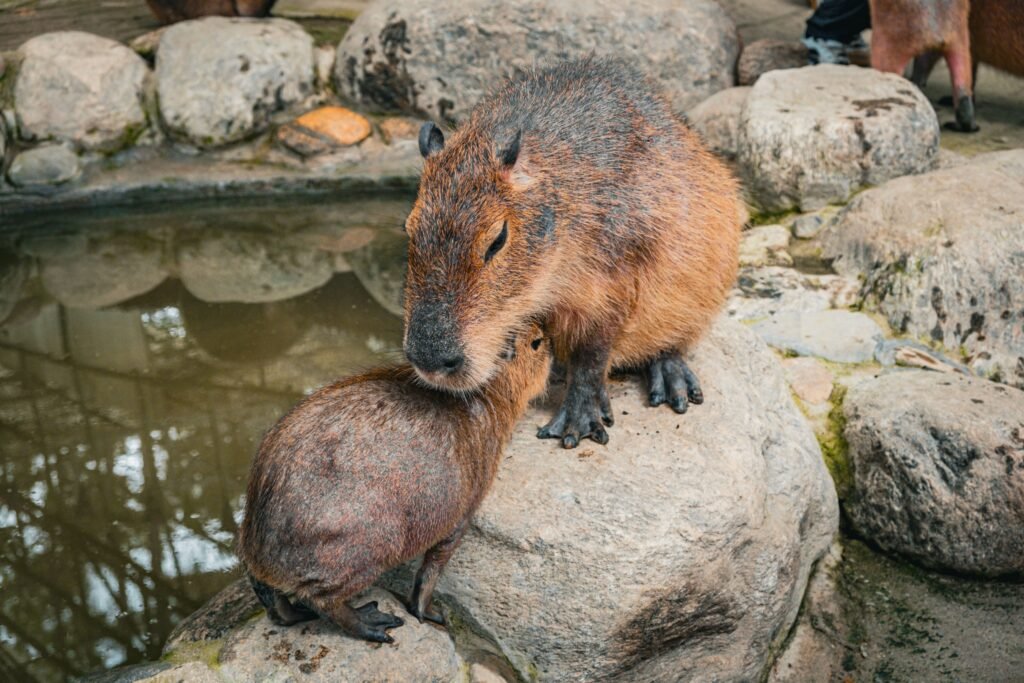
At Capybara Happiness, we are dedicated to helping enthusiasts look past the cute social media trends to understand the concrete realities of exotic animal husbandry. Indiana is famously known for its beautiful agricultural landscapes and open spaces, but managing a large, herd-dependent rodent introduces highly unique care challenges. In this comprehensive guide, we will break down Indiana’s specific legal requirements, the real costs of ownership, where to connect with USDA-licensed breeders, and how to secure the vital veterinary care your future companions will need.
The Legal Landscape: Navigating Indiana Wild Animal Permits
When exploring exotic pet laws across the United States, Indiana maintains a structured and unique regulatory framework. According to legal summaries provided by StatsPanda, Indiana is classified as a state where capybaras are legal to own, but they require a specific permit from state authorities. The primary regulatory body, the Indiana Department of Natural Resources (DNR), oversees the possession of non-traditional wildlife under the Indiana Administrative Code (312 IAC 9-11).
To legally house a capybara in Indiana, individual owners must apply for a Wild Animal Possession Permit. According to official guidelines from the Indiana Department of Natural Resources, this process involves submitting a detailed application, paying a $20 permit fee, and providing documentation proving the animal was legally acquired from a licensed source. Furthermore, a local conservation officer must conduct an on-site inspection of your enclosures to ensure they meet strict safety and structural requirements before your permit is fully approved.
Beyond state-level regulations, you must also navigate local municipal laws. Indiana grants immense authority to individual counties, cities, and towns to establish their own zoning laws and animal control ordinances. Major metropolitan areas like Indianapolis, Fort Wayne, and Evansville often enforce local city codes that strictly prohibit the keeping of large exotic mammals within residential limits.
Before making any financial moves, you must contact your specific county commissioners and local animal control offices to confirm your property is properly zoned. If you live in an unincorporated rural region or a property zoned for agricultural use, you will face significantly fewer hurdles when establishing your capybara habitat.
Financial Commitments: The Real Cost of a Hoosier Herd
If your local zoning codes and state permit applications clear the way, you must prepare your bank account for a substantial initial investment. Capybaras are highly specialized exotic animals that command a premium price tag. Market data analyzed by A-Z Animals indicates that a single, healthy, captive-bred capybara pup typically costs between $1,000 and $3,500, while established adult breeding pairs can easily cross $8,000 depending on their heritage.
However, attempting to buy just one animal is a critical mistake that ignores their fundamental biological needs. Capybaras are obligate herd animals that depend heavily on group dynamics for emotional stability and psychological safety. A solo capybara kept in isolation will develop profound separation anxiety, which rapidly manifests as severe depression, dangerous vocalization, destructive chewing, and physical illness.
Because of this intense social requirement, ethical exotic animal handlers will rarely sell a single pup unless you can prove you already have a companion cavy waiting at home. Budgeting for at least a pair of animals is absolutely essential when determining the complete cost of a capybara. When you factor in the immediate need for a large, water-integrated habitat and state licensing costs, your initial startup investment will realistically range from $8,000 to $12,000.
Sourcing Your Pet: Finding USDA-Licensed Breeders
Because capybaras require highly specialized care and fall under exotic wildlife classifications, you cannot simply find them through traditional pet stores or animal shelters. To acquire your animals legally and ethically, you must connect with a professional breeder who holds an active license with the United States Department of Agriculture (USDA). The USDA monitors commercial exotic facilities to enforce basic welfare standards and verify that the animals are humanely handled.
While Indiana does not host a high density of commercial capybara ranches, its proximity to major exotic breeding networks across the Midwest and Southern states makes sourcing relatively accessible. A reputable breeder will always require a thorough vetting process, review your Indiana DNR habitat inspection status, provide certified health paperwork, and invite you to inspect their facility. Never buy an animal from an unverified online broker who offers to ship a pup without checking your local regulatory compliance.
Bringing your new herd home is an extraordinary milestone that transforms your daily routine. Once your USDA-certified pups safely arrive in Indiana, you can fully embrace the incredible experience of becoming the ultimate Capy mom or dad. This initial phase requires an immense amount of quiet bonding time, patient hand-feeding with fresh vegetation, and establishing a predictable routine to ensure your animals adapt seamlessly to their new home.
Midwestern Healthcare: Finding an Exotic Vet in Indiana
One of the most critical elements of Capybara Pet Ownership in Indiana is securing professional medical care before your animals arrive. In fact, Indiana DNR permit regulations require owners to have their animals examined by a licensed veterinarian within 45 days of receiving their permit, and annual renewals require a veterinarian’s signature attesting to the animal’s health. A standard neighborhood veterinarian who treats dogs and cats is completely unequipped to handle a 140-pound semi-aquatic rodent.
Capybaras possess continuously growing hypsodont teeth that require specialized dental floating, and their sensitive digestive tracts can experience fatal reactions to common domestic medications. You must build a formal relationship with a qualified exotic companion mammal specialist. Practices such as the All Creatures Exotic Animal Clinic in Carmel specialize specifically in non-traditional species and can provide the advanced diagnostic, dental, and wellness care these large rodents require.
Keep in mind that routine dental exams or unexpected medical emergencies may require transporting a heavy, stressed animal over long distances. You must invest in a heavy-duty transport crate and an appropriately sized vehicle to handle transportation safely. Regular wellness check-ups are vital to monitor their weight, evaluate their continuous tooth wear, and verify they are thriving under your specialized care.
Habitat Engineering: Beating the Indiana Winter
Replicating a South American wetland in the Midwest is the single greatest structural challenge an Indiana owner faces. While capybaras love the warm, humid Indiana summers, the region’s freezing winters pose a sudden, deadly threat to their physical health. Because capybaras have sparse coats and are highly prone to severe frostbite on their sensitive ears and webbed feet, outdoor housing alone is impossible during the colder months.
You must construct an insulated, climate-controlled outbuilding or a modified barn equipped with safe, radiant heaters to serve as their winter quarters. This structure must maintain a warm, comfortable temperature and provide enough indoor space for them to move around freely when the outdoor temperature plummets. Ensuring they stay warm and dry indoors during freezing weather is a cornerstone of overall capybara happiness.
During the summer, your outdoor enclosure must provide a massive amount of reliable shade and constant access to water. Your setup must include a deep, filtered swimming pool or a dedicated, clean pond that allows the animals to submerge completely to swim, regulate their body temperature, and defecate naturally. Additionally, the entire perimeter must be enclosed by a sturdy 4-to-5-foot fence with an underground barrier to prevent these strong animals from rooting or pushing their way out.
Final Thoughts: The True Hoosier Journey
Bringing a piece of the South American wetlands into the heart of Indiana is a grand adventure, but it carries a lifelong responsibility. It means dedicating your space, your time, and your financial resources to building a specialized, climate-controlled sanctuary capable of protecting these animals from harsh Midwestern winters. By adhering strictly to Indiana DNR permit codes, investing in a proper multi-animal herd environment, and partnering with an experienced exotic veterinarian, you can create a safe, peaceful paradise that honors the true spirit of these magnificent, gentle giants.Thank you for exploring the realities of responsible exotic wildlife care with us at Capybara Happiness. By taking the time to deeply research the biological, legal, and environmental needs of the world’s largest rodent, you are laying the groundwork for a safe, successful, and incredibly rewarding journey into the capybara lifestyle. Stay informed, stay prepared, and keep celebrating the pure joy of the capybara world!