
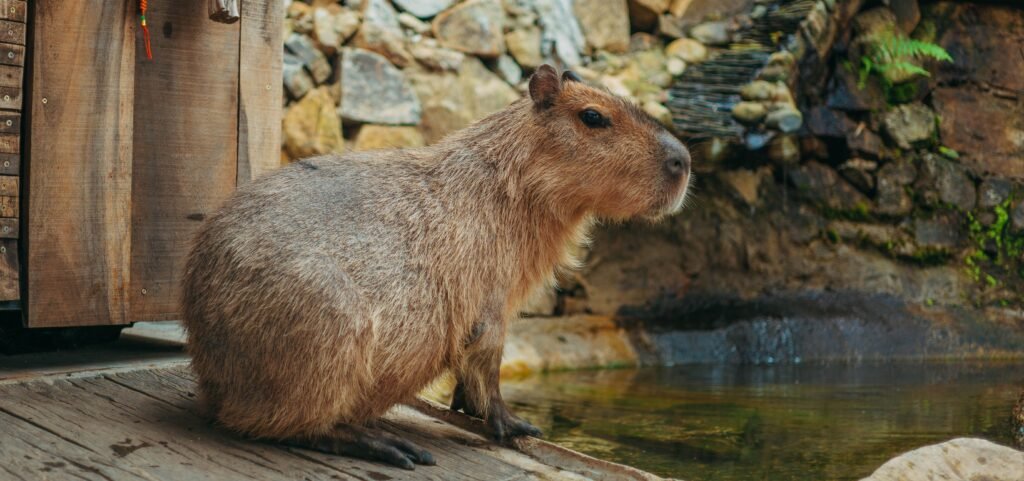
The internet’s obsession with capybaras has turned these giant South American rodents into global symbols of ultimate serenity. Whether you see them lounging in water or hanging out with other animal species, their ultra-calm demeanor makes them incredibly appealing. If you are a resident of the Land of 10,000 Lakes, you might look at all that water and wonder if you can legally welcome a pair of these 140-pound Water Pigs onto your property. However, bringing a semi-aquatic mammal into a region famous for its freezing northern winters requires analyzing distinct wildlife laws, managing heavy financial investments, and constructing a specialized habitat.
At Capybara Happiness, we believe that responsible pet ownership requires looking past short social media trends to understand the day-to-day realities of exotic husbandry. Minnesota offers a stunning natural environment, but keeping a giant cavy healthy here presents highly specific environmental challenges. In this comprehensive guide, we will break down Minnesota’s precise legal codes, the real costs of ownership, where to look for licensed breeders, and how to source the vital veterinary care required to help your herd thrive.
Navigating the Law: Is it Legal to Own a Capybara in Minnesota?
Before designing a pasture or building a pond, you must carefully study the statutory frameworks governing non-traditional pets in the state. According to national legal data tracked by the World Population Review, Minnesota maintains a highly structured approach to exotic animal ownership. The primary state statute regarding dangerous or restricted species is Minnesota Statute 346.155, which outlaws the private possession of regulated animals such as large wild cats, bears, and non-human primates.
Fortunately for rodent enthusiasts, capybaras do not fall under this strict state ban because they are members of the Caviidae family. However, the state’s overarching wildlife laws, outlined under Minnesota Statutes Section 97A.501, declare that the state owns all wild animals unless they are explicitly allowed to be possessed by game and fish laws. This creates a legal gray area at the state level where importing a non-native rodent typically requires explicit clearance, a health certificate, and import documentation from the Minnesota Board of Animal Health.
The biggest regulatory hurdle for Capybara Pet Ownership in Minnesota actually exists at the local level. Minnesota grants extensive authority to individual counties, cities, and townships to enforce their own strict animal control codes and zoning ordinances. Major metropolitan areas like Minneapolis, St. Paul, Rochester, and Bloomington maintain explicit city ordinances that strictly ban any large, non-domesticated exotic mammal within residential city lines to ensure public safety.
Because local city codes will always override general state-level allowances, you must contact your specific county commissioners and municipal animal control office to verify your property’s zoning.
Financial Reality: The Price of Buying a Capybara
If your local zoning codes clear the way for your exotic pet journey, you must prepare your household budget for a substantial financial investment. Capybaras are highly specialized animals that carry premium price tags. Market data verified by A-Z Animals indicates that a single, healthy, captive-bred capybara pup typically costs between $1,000 and $3,500, while established adult breeding pairs can easily exceed $8,000 depending on their lineage.
However, attempting to purchase a single capybara is a severe mistake that conflicts directly with their biology. Capybaras are obligate herd animals that depend heavily on complex social structures for emotional survival and psychological safety. A single capybara kept in isolation will inevitably suffer from profound separation anxiety, resulting in depression, destructive chewing habits, loud distress calls, and a severely compromised immune system.
Because of this intense social dependency, ethical exotic breeders will rarely allow you to adopt a single pup unless you can prove you already have a companion cavy waiting at home. Planning for at least a pair of animals is a non-negotiable step when calculating the complete cost of a capybara. Once you combine the purchase prices with the expenses of constructing a high-quality semi-aquatic habitat, your initial startup costs will easily range from $8,000 to $12,000.
Sourcing Your Pet: Finding Reputable Breeders
Because capybaras require specialized care and fall under exotic classifications, you will never find them available at a traditional neighborhood pet store or local shelter. To buy a capybara legally and safely, you must locate a professional breeder licensed by the United States Department of Agriculture (USDA). The USDA monitors commercial exotic breeders to enforce basic animal welfare standards and ensure that the animals are humanely raised.
While Minnesota itself does not host a high density of commercial capybara ranches, sourcing a pup from reputable Midwest or Southern networks is relatively straightforward. A trustworthy, licensed breeder will always require a thorough interview to confirm you understand the animal’s complex biological needs, provide certified veterinary health certificates, and invite you to inspect the facility. Never purchase an animal from an unverified broker who offers to drop-ship a pup without verifying your local ordinances.
Bringing your new animals home marks the beginning of an extraordinary, lifelong commitment to their welfare. Once your USDA-certified pups safely arrive, you can officially step into the rewarding role of the ultimate Capy mom or dad. This initial bonding phase requires an immense amount of patience, hand-feeding, and quiet reassurance to help your new semi-aquatic companions bond with you and acclimate to their new habitat.
Sourcing an Exotic Vet in the North Star State
One of the most critical logistical hurdles of managing giant rodents is securing proper medical infrastructure. Standard neighborhood veterinarians who treat cats and dogs are not trained, equipped, or insured to provide medical treatment for a 140-pound wild rodent. Capybaras possess continuously growing hypsodont teeth that require specialized dental floating tools, and their complex digestive tracts react poorly to common domestic animal medications.
Before your pups ever set foot on your property, you must establish a formal relationship with a qualified exotic companion mammal vet. You will typically need to look toward highly specialized regional wildlife centers or academic research facilities. Fortunately, veterinary clinics like the Pierz Veterinary Clinic in central Minnesota offer comprehensive exotic services for unique, non-traditional mammals and are equipped to handle complex dental and wellness care.
Keep in mind that an emergency or routine dental check-up might require transporting a heavy, highly stressed animal across long distances. You will need to invest in a heavy-duty transport crate and a spacious vehicle to ensure safe transit. Regular preventative veterinary care is essential to monitor their continuous tooth wear, analyze their diet, and ensure your animals maintain peak condition throughout their long lifespans.
Habitat Engineering: Beating the Brutal Minnesota Winter
Capybaras are native to the tropical wetlands of South America, which means they are beautifully adapted to handle the warm, humid Minnesota summers. However, replicating their natural environment during a harsh northern winter requires careful habitat planning. Because capybaras have sparse coats and are highly vulnerable to frostbite on their sensitive ears and webbed feet, outdoor housing alone is completely impossible when the ground freezes.
You must construct an insulated, climate-controlled outbuilding or a modified barn equipped with safe, radiant heaters to serve as their winter quarters. This structure must maintain a warm, comfortable temperature and provide enough indoor space for them to move around freely when the outdoor temperature plummets. Ensuring they stay warm and dry indoors during freezing weather is a cornerstone of overall capybara happiness.
During the summer, your outdoor enclosure must provide a massive amount of reliable shade and constant access to water. Your setup must include a deep, filtered swimming pool or a dedicated, clean pond that allows the animals to submerge completely to swim, regulate their body temperature, and defecate naturally. Additionally, the entire perimeter must be enclosed by a sturdy 4-to-5-foot fence with an underground barrier to prevent these strong animals from rooting or pushing their way out.
Final Thoughts: The Commitment to the Herd
Stepping into the world of exotic pet ownership in the Land of 10,000 Lakes is a profoundly rewarding journey, but it is not a decision to be made lightly. It means dedicating your space, your time, and your financial resources to recreating a complex South American wetland in a region that experiences severe winter weather. By prioritizing local legal compliance, investing in a true herd environment, and securing specialized veterinary care, you can build a safe, peaceful haven that honors the true spirit of these gentle giants.Thank you for exploring the realities of responsible exotic animal care with us at Capybara Happiness. By taking the time to educate yourself on the unique biological needs of the world’s largest rodent, you are paving the way for a successful, lifelong partnership with nature’s most peaceful creatures. Stay informed, stay prepared, and keep celebrating the joy of the capybara lifestyle!