
The global obsession with capybaras has turned these giant, semi-aquatic South American rodents into internet icons of pure, unfiltered relaxation. From viral clips of them soaking calmly in hot springs to pictures of them lounging alongside turtles, their extraordinarily chill demeanor has captivated animal lovers everywhere. If you live in the beautiful state of Idaho, watching these videos might have you dreaming of bringing a pair of capybaras into your own backyard. However, turning this internet fantasy into a reality requires navigating a complex web of strict wildlife classifications, heavy financial investments, and specialized environmental parameters.
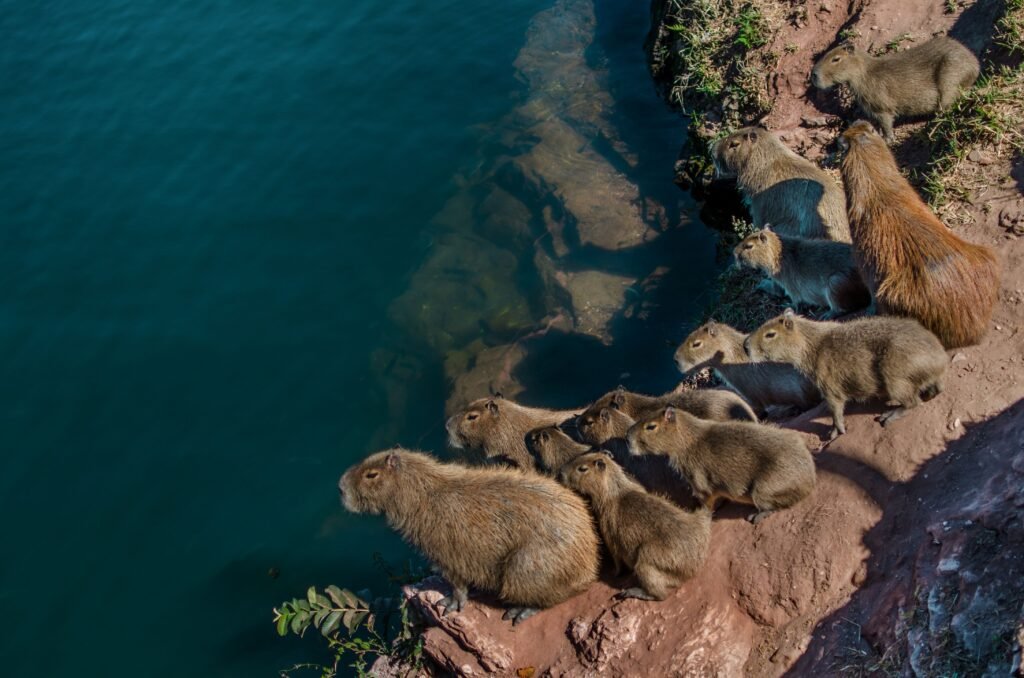
At Capybara Happiness, we are deeply committed to moving past superficial internet trends to provide an authentic, realistic look at exotic pet care. Idaho features a stunning landscape of rugged mountains, rolling plains, and extensive river systems, which means its state departments tightly monitor non-native species. In this ultimate guide, we will break down Idaho’s exact legal classifications for exotic rodents, the financial realities of ownership, where permitted facilities find USDA-licensed breeders, and how to navigate regional veterinary care.
The Idaho Legal Landscape: Are Capybaras Allowed?
When analyzing exotic animal regulations across the United States, individual state frameworks vary from completely open to outright restrictive. According to national statutory data tracked by the World Population Review, some regions allow these large rodents with a basic permit, while others ban them completely. In the Gem State, the primary regulatory body governing these decisions is the Idaho State Department of Agriculture (ISDA). The ISDA is highly protective of its local ecosystems, native wildlife, and massive commercial farming industries.
Under current state statutes, Idaho does not view the capybara as a standard companion animal or a harmless pocket pet. According to the official Idaho State Department of Agriculture wildlife index, capybaras fall under a very serious regulatory classification. Specifically, the state categorizes All South American Rodents except Guinea Pigs and Chinchillas directly as Deleterious Exotic Animals. This classification means the state has determined that the species poses a potential danger to the people, environment, livestock, agriculture, or native wildlife of Idaho.
Because they are classified as deleterious exotic animals, the rules for keeping them are incredibly strict. According to the legal administrative code compiled by the Animal Legal & Historical Center, no individual may possess, import, or propagate a capybara without a formal possession permit issued by the ISDA Administrator. To even qualify for this permit, the facility must hold a valid USDA exhibitor’s license and be fully accredited by the Association of Zoos & Aquariums (AZA). Consequently, keeping a capybara as a typical household pet in a suburban Idaho backyard is functionally prohibited for private individuals.
Why Idaho Enforces Strict Exotic Rodent Rules
While discovering these intense restrictions can be deeply disappointing for passionate animal lovers, the ISDA bases its strict rules on concrete biological and environmental realities. As detailed by national wildlife policy analyses on StatsPanda, large semi-aquatic herbivores have an enormous ecological footprint compared to domesticated animals. Idaho boasts incredibly fragile river deltas, agricultural canals, and pristine streams that support vital native species like salmon and trout.
If a captive capybara were to escape its enclosure and access an Idaho waterway, it could easily disrupt the local ecosystem. These animals consume massive amounts of vegetation daily, which could lead to severe bank erosion, the destruction of native aquatic plants, and intense habitat competition with native North American beavers. Furthermore, because Idaho maintains a multi-billion-dollar commercial livestock industry, wildlife officials aggressively restrict non-native mammals to eliminate the risk of introducing unfamiliar tropical parasites or diseases to local farms.
Financial Commitments: The Real Cost of a Capybara
For accredited zoological facilities, educational institutions, or research entities that meet Idaho’s rigorous permitting standards, the initial financial investment is substantial. Capybaras are premium exotic animals that command significant upfront price tags from specialized sellers. Market tracking shows that a healthy, captive-born capybara pup typically costs between $1,500 and $4,000, while established adult pairs can easily exceed $8,000 depending on lineage and availability.
However, calculating the total cost of a capybara involves looking far beyond the initial purchase price. Capybaras are obligate herd animals that depend heavily on complex social structures for emotional survival and psychological safety. Keeping a single capybara in absolute isolation is highly inhumane and results in profound separation anxiety, severe behavioral issues, and a weakened immune system.
Because of this intense social dependency, planning for at least a pair of animals is a mandatory baseline step. Once you combine the purchase prices of multiple animals with the expenses of constructing a high-quality, secure semi-aquatic habitat, your initial startup costs will easily range from $8,000 to $12,000. Ensuring your facility has the capital to support a thriving herd environment is essential to maintaining long-term capybara happiness.
Sourcing Animals and Finding Exotic Veterinary Care
Because Idaho classifies them as deleterious and outlaws private breeding, you cannot find these animals through local pet stores or regional animal shelters. Permitted facilities must source their animals through specialized breeders fully licensed by the United States Department of Agriculture (USDA). Most legal keepers arrange for climate-controlled transport from established out-of-state breeders located in more permissive regions like Texas or Florida, ensuring all ISDA importation permits are signed before crossing state lines.
Once the animals arrive at an approved facility, securing specialized medical care becomes the next major operational hurdle. Standard neighborhood veterinarians who treat cats and dogs are not trained, equipped, or insured to provide medical treatment for a 140-pound wild rodent. Capybaras possess continuously growing teeth that require specialized dental floating tools, and their complex digestive systems react poorly to common domestic animal medications.
Fortunately, regional academic resources like the Washington State University College of Veterinary Medicine, located just across the border, offer advanced diagnostic and wellness care for non-traditional species. A legal keeper must build a relationship with an exotic vet who is fully prepared to take on patients of this size before any animals arrive. Regular wellness check-ups are vital to monitor their weight, evaluate continuous tooth wear, and verify they remain healthy.
Final Thoughts on Idaho Wildlife Compliance
Stepping into the world of exotic animal management requires putting ecological safety and animal welfare far above our personal desires. While the dream of sharing an Idaho property with a giant, friendly rodent is a popular trend, the reality is that the state strictly restricts these animals to protect its rich natural resources and agricultural safety. By understanding and respecting the strict guidelines set forth by the Idaho State Department of Agriculture, animal lovers can prove themselves to be truly dedicated, informed, and compassionate advocates for nature’s most peaceful giants.
Thank you for exploring the realities of responsible exotic animal care with us at Capybara Happiness. By taking the time to educate yourself on the unique biological needs of the world’s largest rodent, you are paving the way for a successful, lifelong partnership with nature’s most peaceful creatures. Stay informed, stay prepared, and keep celebrating the joy of the capybara lifestyle!