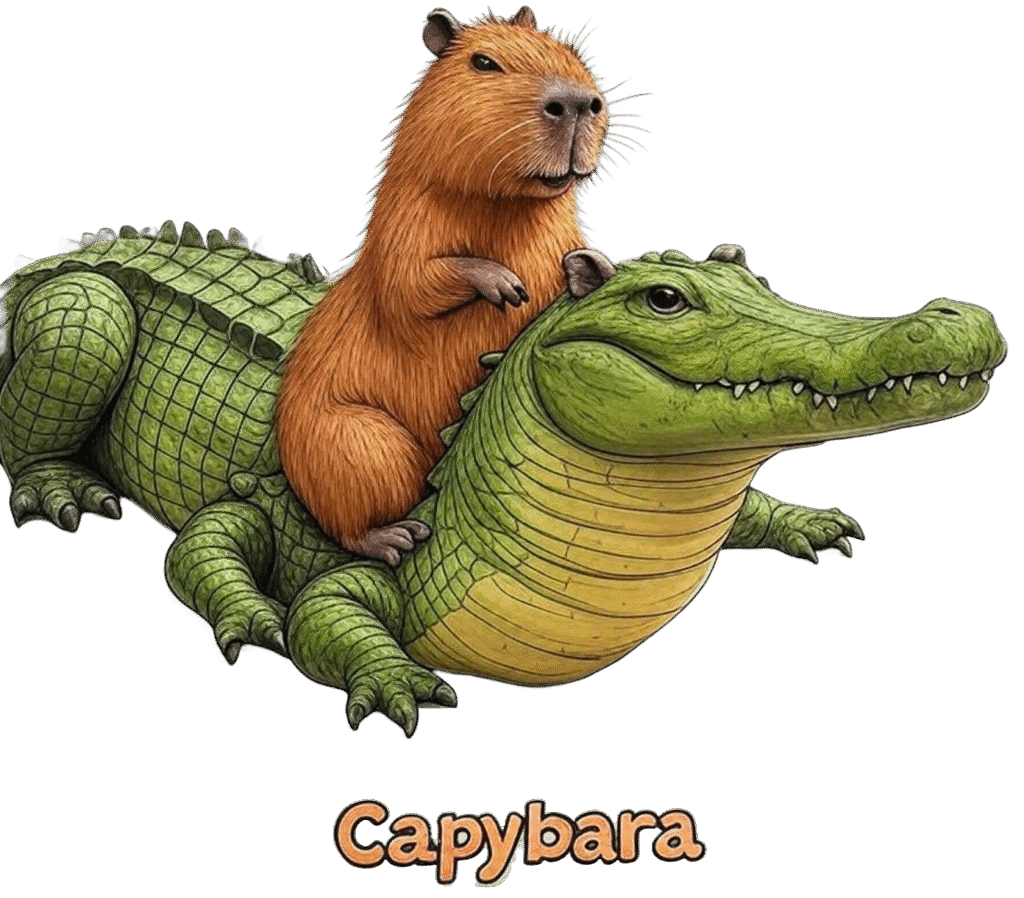
With their viral internet fame, relaxed demeanor, and gentle social habits, capybaras have won over hearts around the globe. Many animal lovers who fall under their spell naturally wonder how to bring one into their lives. However, physical exotic animal adoption presents huge logistical challenges, requiring massive filtered pools, specialized veterinary care, and strict state permits.
Fortunately, there is a far more impactful way to connect with these oversized cavies while making a real difference in the world. By choosing to adopt a wild capybara through conservation, you can directly fund the protection of tropical wetland ecosystems, combat habitat destruction, and support vital scientific research. Let us explore how symbolic capybara adoption programs work, what your contribution accomplishes, and how you can become an active guardian of nature’s giant rodent!
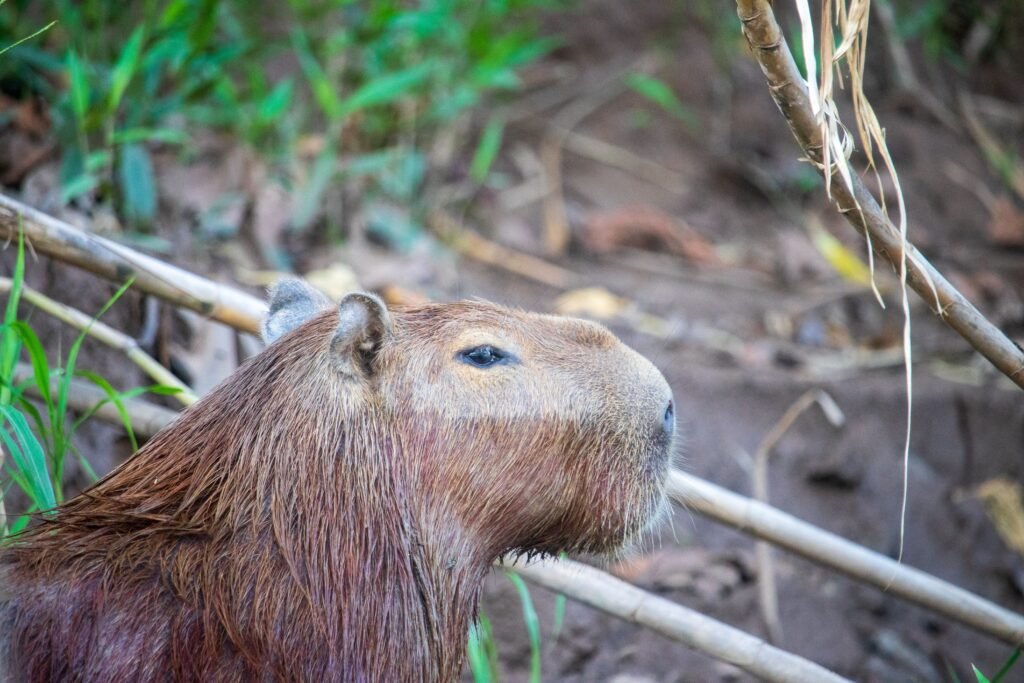
What Is Symbolic Capybara Adoption?
When you participate in a symbolic animal adoption, you are not taking home a live animal to live in your backyard or living room. Instead, you are providing a charitable contribution to leading global wildlife organizations or accredited sanctuaries that safeguard capybaras in their natural habitats.
Major conservation non-profits, such as the World Wildlife Fund Capybara Adoption Program, offer supporters the chance to symbolically sponsor individual species. In return for your financial pledge, you receive an official capybara adoption kit filled with fun educational materials and keepsakes.
What Is Included in an Adoption Kit?
- Official Certificate: A personalized formal adoption certificate suitable for framing.
- Species Spotlight Guide: Detailed fact cards showcasing capybara anatomy, social structures, and ecosystem roles.
- High-Quality Plush: Many physical adoption kits include a soft, true-to-life capybara plush toy.
- Conservation Updates: Regular newsletters detailing how your donation is being deployed in field projects.
This approach allows wildlife enthusiasts of all ages to feel directly connected to wild herds while keeping the animals where they belong, free and thriving in South American wetlands.
Why Wild Capybaras Need Our Support
Although capybaras are currently listed as a species of Least Concern across much of South America, their native habitats face escalating environmental threats. As semi-aquatic mammals, capybaras rely entirely on clean, contiguous freshwater systems to regulate their body temperature, hydrate their skin, and forage for food.
In regions like the Pantanal, the Amazon Basin, and the Gran Chaco, rapid agricultural expansion, deforestation, and wetland drainage threaten river corridors. When seasonal wetlands are drained for cattle ranching or farming, capybara herds lose vital grazing grounds and safe breeding sanctuaries.
Furthermore, severe droughts exacerbated by climate change cause river basins to dry up prematurely. This forces wild herds to crowd around dwindling water holes, increasing their susceptibility to disease and conflicts with humans. You can read up on how water management impacts herd health in our detailed Capybara Happiness Care Guide.
How Your Adoption Dollars Protect Wetland Ecosystems
When you support wild adoption initiatives, your contribution does far more than help a single animal. Because capybaras act as keystone species in tropical river ecosystems, protecting them shields hundreds of neighboring plant and animal species as well.
Capybaras graze heavily on aquatic vegetation, preventing waterways from becoming choked with overgrown weeds. Their droppings enrich aquatic food webs, providing essential nutrients for native fish and aquatic invertebrates. Furthermore, as non-aggressive herbivores, they share shade and resting banks with birds, turtles, and small mammals.
Key Field Projects Funded by Your Donation
- Habitat Restoration: Replanting native vegetation along riverbanks to maintain natural wildlife corridors.
- Anti-Poaching Patrols: Funding local ranger units that prevent illegal hunting and habitat encroachment in protected reserves.
- Community Education: Partnering with local agricultural communities to build eco-friendly barriers that allow wildlife and livestock to coexist peacefully.
- Scientific Field Surveys: Financing telemetry tracking and population censuses to monitor wild herd health across seasonal changes.
To review broader ecological studies and global protection frameworks, you can search the comprehensive database maintained by the IUCN Red List Directory.
Comparing Symbolic Adoption vs. Exotic Pet Ownership
For many animal lovers, understanding the difference between symbolic support and private ownership is an important step. While seeing cute videos online makes pet ownership look simple, taking care of a real semi-aquatic rodent requires immense financial resources and specialized knowledge.
Navigating how to adopt a capybara legally as a pet involves securing municipal exotic pet permits, building five-foot secure fencing, and setting up heated agricultural stock tanks. In contrast, symbolic adoption offers a risk-free, highly rewarding alternative that directly benefits wild populations without the immense burden of private housing.
| Consideration | Private Exotic Pet Ownership | Symbolic Conservation Adoption |
| Primary Goal | Housing a single animal in a domestic setting | Protecting wild herds and entire biomes |
| Financial Cost | $10,000 to $30,000+ upfront for setup and feed | $25 to $100+ tax-deductible donation |
| Space Required | Large outdoor yard with deep, filtered water pools | None required |
| Impact on Species | Limited to domestic care | Preserves natural habitats for future generations |
How to Get Started with Your Adoption Today
Beginning your adoption journey is quick, easy, and deeply rewarding. Most reputable wildlife organizations allow you to complete the entire process online in just a few minutes, making it a fantastic gift idea for birthdays, holidays, or animal-loving friends.
First, select a verified non-profit organization or an accredited wildlife sanctuary with an established field presence in South America, such as the Rainforest Alliance Conservation Programs. Next, choose between a digital adoption kit or a physical gift pack featuring a plush toy and certificate.
Once your donation is processed, display your certificate proudly or share your adoption updates on social media! Educating others about the importance of wetland conservation spreads awareness and inspires more people to protect nature’s most peaceful semi-aquatic creatures.
Final Thoughts on Capybara Sponsorship
Choosing to adopt a wild capybara through conservation is one of the most meaningful ways to turn your passion for these animals into lasting, positive action. By funding habitat preservation, anti-poaching efforts, and community outreach, you ensure that wild capybaras can continue to roam free across South America’s river basins for generations to come.
Join the Herd at Capybara Happiness!
Want to dive deeper into the peaceful world of capybaras? Whether you are looking for in-depth care guides, habitat setup tips, or simply want to stay updated on these amazing giant rodents, we have got you covered. Head over to the Capybara Happiness Website to explore our full library of expert articles, dietary advice, and heartwarming capybara content designed to keep you smiling every day!