
Driven by viral social media trends and its affectionate nickname Masbro, the capybara has captured the hearts of animal lovers across Southeast Asia. In Indonesia, these oversized South American rodents have become popular attractions at local zoos, educational parks, and private animal collections. Naturally, many exotic pet enthusiasts frequently inquire about the harga capybara and what it takes to bring one home legally.
While seeing these gentle giants in viral clips makes ownership look easy, acquiring a exotic semi-aquatic mammal in Southeast Asia involves substantial financial commitments. From legal import documentation to specialized habitat construction, understanding the total cost of owning a capybara in Indonesia requires evaluating both upfront purchase costs and ongoing maintenance expenses. Let us explore the complete breakdown of capybara adoption prices, legal regulations, and lifetime care requirements in Indonesia!
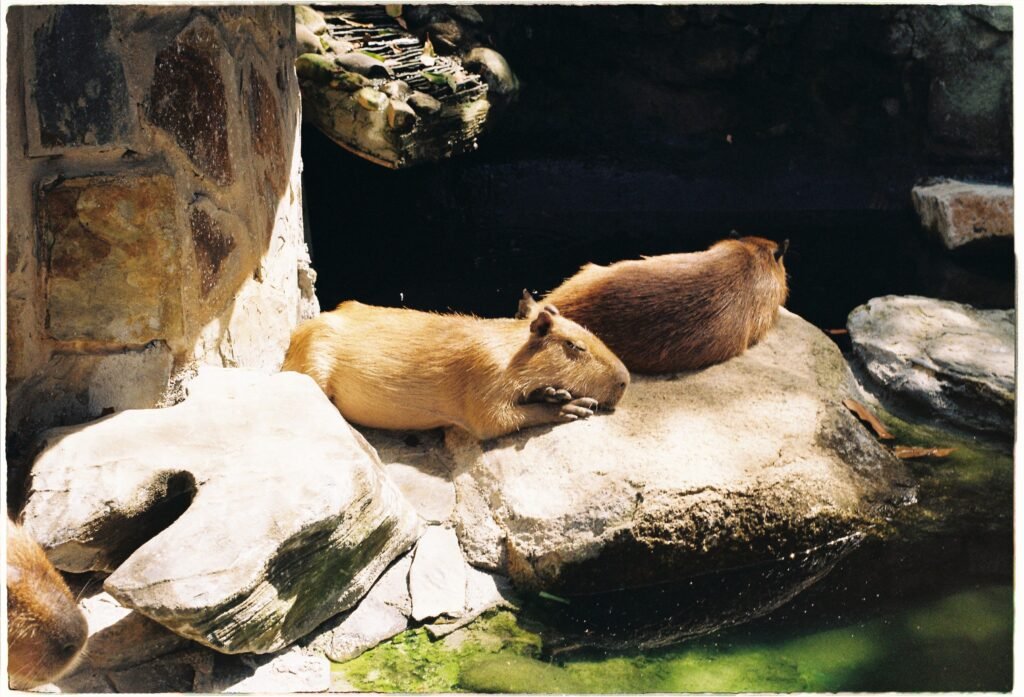
Upfront Adoption and Purchase Costs in Indonesia
Acquiring a capybara in Southeast Asia carries a significant price tag due to the logistical complexities of importing Neotropical wildlife. Because capybaras (Hydrochoerus hydrochaeris) are non-native to Asia, all legally acquired specimens must be imported through certified breeders or specialized exotic animal distributors.
In the Indonesian exotic pet market, the initial purchase or harga capybara typically ranges between IDR 90 million and IDR 150 million (roughly $5,800 to $9,500 USD) per individual. Prices vary depending on the animal’s age, health status, tameness, and whether the seller provides complete CITES and veterinary health documentation.
Because capybaras are highly social herd animals that suffer severe psychological distress when housed alone, experts strongly advise against keeping a single cavy. Acquiring a bonded pair multiplies the initial adoption cost to over IDR 200 million, making private ownership an elite financial endeavor.
Key Factors Affecting Capybara Prices
Several important variables influence the overall market value and adoption expenses associated with giant water cavies. Understanding these factors helps prospective owners distinguish between legitimate licensed breeders and illegal wildlife vendors.
1. Import Permits and CITES Documentation
Legitimate importers must comply with international wildlife trade regulations and secure clearance from local agricultural quarantine agencies (Badan Karantina Indonesia). Obtaining official health certificates, microchipping, and legal import permits significantly increases the final retail price.
2. Age and Tame Temperament
Younger capybara pups that have been hand-reared and habituated to human interaction command higher prices than older or untamed imports. Tame juveniles adapt much faster to private enclosures and captive feeding routines.
3. Shipping and Quarantine Logistics
Transporting a 100-pound semi-aquatic mammal internationally requires specialized climate-controlled crates and mandatory quarantine holding periods upon arrival. Fuel surcharges and international veterinary inspection fees directly impact the final harga capybara.
To review international wildlife trade listings and conservation classifications, you can search the official database maintained by the CITES Secretariat Trade Database.
Legal Regulations and Rules for Keeping Capybaras in Indonesia
Before spending money on adoption fees, understanding the legal framework and rules for keeping capybaras in Indonesia is an absolute necessity. The Ministry of Environment and Forestry (Kementerian Lingkungan Hidup dan Kehutanan) regulates the import, breeding, and private keeping of non-native wild animals.
While capybaras are not classified as endangered on global protection lists, importing non-native species requires strict adherence to biosecurity and animal welfare guidelines. Owners must obtain official permits from the Natural Resources Conservation Agency (BKSDA) to verify that their facilities meet humane housing standards.
Private owners must also ensure that imported specimens do not escape into local ecosystems, where non-native herbivores could potentially disrupt native river habitats. Detailed global species status assessments are documented in the IUCN Red List Capybara Profile.
Ongoing Housing, Pool Setup, and Maintenance Expenses
The initial adoption fee represents only a fraction of the costs and maintenance price for a capybara. Creating a suitable semi-aquatic environment in Indonesia’s tropical climate requires significant capital investment in infrastructure.
Capybaras require large outdoor enclosures featuring secure fencing, shaded resting areas, and deep swimming pools. Because they defecate frequently in water, installing heavy-duty commercial filtration pumps and regular water circulation systems is necessary to prevent bacterial skin infections.
Estimated Setup and Monthly Maintenance Budget
- Custom Pool Construction: IDR 30 million – IDR 60 million for a tiled, filtered outdoor pool.
- Secure Fencing & Shelter: IDR 15 million – IDR 30 million for 5-foot perimeter fencing and shaded night stalls.
- Monthly Food & Forage: IDR 3 million – IDR 5 million per month for fresh Timothy hay, pasture grasses, and high-fiber vegetables.
- Veterinary Care & Supplements: IDR 2 million – IDR 4 million monthly for specialized exotic vet checkups and mandatory Vitamin C supplements.
Maintaining strict dietary balance is critical for preventing scurvy and overgrown incisors in captive cavies. For an in-depth breakdown of proper cavy nutrition, explore our guide on Capybara Happiness Diet & Behavior Tips.
Veterinary Care and Health Management in the Tropics
Finding qualified exotic animal veterinarians in Indonesia who specialize in Neotropical rodents can be challenging outside major metropolitan areas like Jakarta or Surabaya. Routine healthcare includes dental monitoring, parasite prevention, and skin treatments to combat humidity-related fungal issues.
Because capybaras cannot synthesize their own Vitamin C, their daily diet must incorporate fresh green forage, guinea pig pellets, or liquid vitamin supplements. Inadequate nutrition quickly leads to joint pain, hair loss, and severe dental disease.
Institutions like the San Diego Zoo Wildlife Alliance Capybara Guide emphasize that captive care requires constant environmental enrichment and clean aquatic facilities to ensure long-term animal welfare.
Final Thoughts on Capybara Adoption in Indonesia
While the harga capybara and ongoing upkeep costs make private ownership prohibitively expensive for most households, admiring these gentle giants at accredited zoological parks remains a wonderful alternative. Supporting certified wildlife sanctuaries ensures that capybaras receive professional care, expansive pools, and appropriate herd environments!
Join the Herd at Capybara Happiness!
Want to dive deeper into the peaceful world of capybaras? Whether you are looking for in-depth care guides, habitat setup tips, or simply want to stay updated on these amazing giant rodents, we have got you covered. Head over to the Capybara Happiness Website to explore our full library of expert articles, dietary advice, and heartwarming capybara content designed to keep you smiling every day!