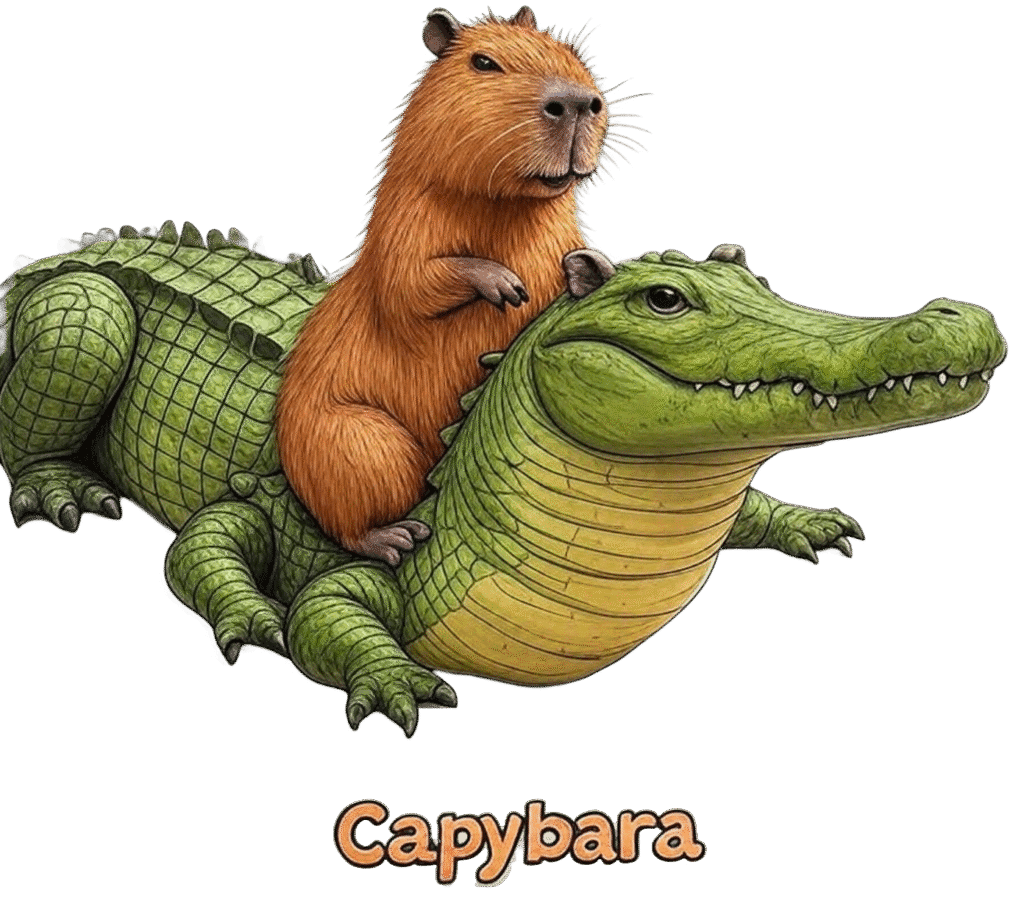
Across Scandinavia and around the globe, capybaras have won the hearts of animal enthusiasts with their calm demeanor, social harmony, and gentle nature. Known as the world’s largest living rodents, these semi-aquatic South American mammals have become true Internet icons.
For readers exploring capybara dansk topics, understanding the linguistic background, biological traits, and local viewing opportunities in Northern Europe adds an exciting layer to appreciating these creatures. Whether you are curious about what these animals are called in Danish or want to know where to observe them in person, this guide covers everything you need to know!
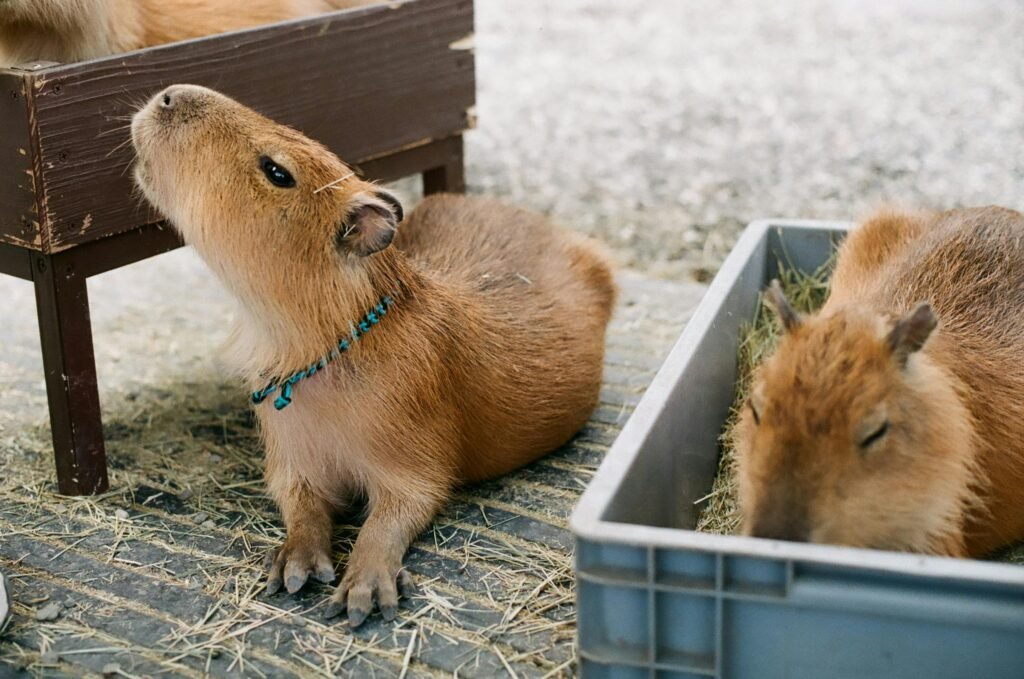
Linguistic Origins: Understanding the Capybara Meaning in Danish
When researching these giant rodents in Denmark, language learners and wildlife fans often discover two distinct Danish terms. Understanding the capybara meaning in Danish helps clarify regional wildlife guides, zoo exhibits, and Scandinavian educational material.
In formal Danish, the capybara is officially called a kapivar. However, a widely recognized vernacular name throughout the country is flodsvin, which translates directly to river pig.
While river pig describes their semi-aquatic habits and heavy barrel-shaped bodies, capybaras are not related to pigs at all. Scientifically known as Hydrochoerus hydrochaeris, they belong to the cavy family (Caviidae), making them close biological relatives to domestic guinea pigs.
Where to See Capybaras in Denmark and Scandinavia
If you are a wildlife fan wondering where to see capybaras in Denmark, you will be glad to know that several leading zoological institutions across the country house thriving herds. Seeing these giant cavies up close offers a wonderful opportunity to witness their social interactions firsthand.
Major Scandinavian zoological parks design open-air wetland exhibits that mimic the native South American riverbanks where capybaras naturally flourish. These habitats allow visitors to observe their swimming habits, communal grazing, and peaceful coexistence with other South American species.
Popular Zoos Featuring Capybaras in Denmark
- Copenhagen Zoo (Københavns Zoo): Houses capybaras within carefully curated South American exhibits alongside tapirs and anteaters.
- Givskud Zoo: Offers expansive outdoor habitat spaces where herds roam along grassy banks and shallow water bodies.
- Aalborg Zoo: Features dedicated semi-aquatic displays that highlight their swimming and diving abilities.
- Odense Zoo: Provides educational viewing platforms designed to teach guests about Neotropical ecosystem conservation.
Visiting accredited zoological parks supports broader international breeding programs and wildlife research. To review global species status and conservation metrics, you can consult the official IUCN Red List Capybara Assessment.
Legal Considerations and Rules for Keeping Capybaras in Denmark
As capybaras grow in global popularity, many private animal lovers naturally inquire about domestic ownership. However, evaluating the rules for keeping capybaras in Denmark requires looking closely at animal welfare regulations and strict municipal exotic pet laws.
In Denmark, keeping exotic semi-aquatic wildlife as personal household pets is heavily restricted and generally prohibited for private individuals. The Danish Veterinary and Food Administration (Fødevarestyrelsen) enforces strict guidelines regarding wild animal welfare, habitat sizing, and public safety standards.
Primary Housing Requirements for Semi-Aquatic Cavies
- Massive Water Bodies: Capybaras require large, temperature-controlled pools with continuous filtration systems to soak and prevent skin ailments.
- Climate Management: Because they originate from tropical South America, Scandinavian winters require heated indoor sanctuaries maintained at warm temperatures.
- Herd Environment: Keeping a single capybara causes severe emotional stress, as these animals require a social herd structure to feel secure.
- Specialized Diets: Their digestive system demands high-fiber pasture grasses, specialized vitamin C supplements, and fresh forage.
Because of these complex requirements, private ownership is impractical for typical households. For detailed information regarding cavy nutritional health, check out our Capybara Happiness Diet & Behavior Tips.
Fascinating Physical and Behavioral Adaptations
What makes the capybara in Denmark and around the world so endlessly fascinating to observers? Their success as semi-aquatic herbivores comes down to millions of years of specialized physical evolution.
Capybaras possess facial features aligned near the top of their heads, specifically their eyes, ears, and nostrils. This alignment allows them to stay almost completely submerged underwater while keeping their senses alert for danger, much like a hippopotamus or alligator.
Additionally, their feet are partially webbed, making them exceptionally skilled swimmers capable of holding their breath underwater for up to five minutes. They use deep river currents to escape terrestrial predators and cool down during hot tropical afternoons. Educational resources provided by the San Diego Zoo Wildlife Alliance Capybara Profile offer great insights into these semi-aquatic traits.
Supporting Global Conservation and Wetland Protection
Whether you are visiting a local Danish zoo or following these gentle animals online, supporting capybara conservation helps protect delicate ecosystems throughout South America. Wetlands like the Pantanal and the Amazon Basin host incredible biodiversity that relies on balanced river systems.
Capybaras play a critical role as ecosystem engineers by grazing down tough aquatic vegetation and providing food sources for apex predators like jaguars and anacondas. Supporting conservation initiatives led by non-profits like the World Wildlife Fund Capybara Directory protects these vital river corridors from deforestation and industrial pollution.
Furthermore, academic institutions like the Smithsonian Tropical Research Institute conduct vital ongoing research on Neotropical mammal migration and wetland ecology. Preserving natural habitats ensures that wild herds continue to thrive for future generations of global animal lovers to admire.
Final Thoughts for Danish Capybara Enthusiasts
Whether you refer to them as kapivar, flodsvin, or the global internet’s favorite chill rodent, capybaras continue to inspire animal lovers across Denmark and beyond. By visiting accredited local zoos, learning about their natural habits, and supporting habitat conservation, fans in Scandinavia can celebrate these magnificent semi-aquatic creatures every day!
Join the Herd at Capybara Happiness!
Want to dive deeper into the peaceful world of capybaras? Whether you are looking for in-depth care guides, habitat setup tips, or simply want to stay updated on these amazing giant rodents, we have got you covered. Head over to the Capybara Happiness Website to explore our full library of expert articles, dietary advice, and heartwarming capybara content designed to keep you smiling every day!