
If you have ever scrolled through social media and fallen head over heels for the world’s largest, most peaceful rodent, you are not alone. With their blunt snouts, webbed feet, and Zen-like approach to life, capybaras have won the hearts of animal lovers everywhere. But if you live in the Keystone State, you are probably asking yourself. Can I legally bring one of these giant, semi-aquatic sweethearts into my home?
Let’s dive straight into the legal nitty-gritty, financial realities, and unique care requirements of capybara pet ownership in Pennsylvania.
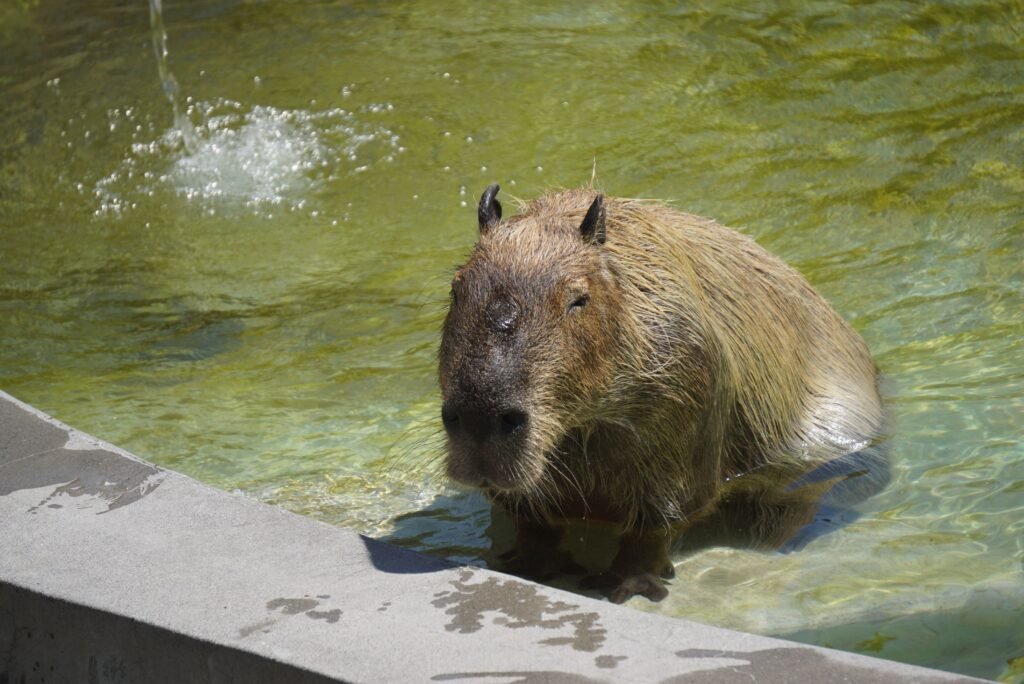
The Legal Verdict: Is It Legal in Pennsylvania?
Yes, but you cannot simply buy one on a whim. According to the official World Population Review, Pennsylvania is classified as a state where capybaras are legal to own, but a formal permit is strictly required.
In Pennsylvania, exotic animals fall under the jurisdiction of the Pennsylvania Game Commission. To legally possess a capybara, you must apply for and secure an Exotic Wildlife Possession Permit.
The state does not make this process easy for casual pet owners. The Game Commission enforces strict regulations regarding the animal’s cage construction, safety barriers, and sanitation. Before your permit is approved, a state game warden will physically inspect your property to ensure your containment setup meets all state requirements.
Furthermore, you must check with your local municipality or township. Even if the state grants you a permit, local zoning laws or neighborhood covenants can completely ban exotic rodents within city limits.
How Much Does a Capybara Cost?
If you clear the legal hurdles, you need to prepare your bank account. Capybaras are not cheap, and their upfront purchase price is only a fraction of the lifetime cost of ownership.
On average, a healthy, captive-bred capybara pup costs between $1,000 and $3,000. Females and exceptionally tame, hand-reared babies often command the higher end of that spectrum.
Because capybaras are highly social herd animals, you should never keep a single capybara alone. Doing so can lead to severe depression and self-harming behaviors. To ensure their long-term well-being, plan to purchase at least two, which immediately doubles your initial livestock investment to $2,000 to $6,000.
Finding a Legal Capybara Breeder
Never attempt to import a wild capybara or buy from unlicensed, sketchy dealers. To stay compliant with your Pennsylvania permit, you must present a legal bill of sale showing the name and address of your licensed supplier.
Most reputable capybara breeders operate in states like Texas and Florida, where exotic animal breeding is more common. When looking for a seller, ensure they are registered with the United States Department of Agriculture (USDA).
Warning: Reliable breeders will always ask to see your Pennsylvania Exotic Wildlife Possession Permit before they even discuss shipping or pickup arrangements. If a seller offers to ship you a capybara no questions asked, turn around and run.
Specialized Housing: Creating a Semi-Aquatic Paradise
Capybaras are semi-aquatic rodents native to the warm wetlands of South America. Translating that habitat to a Pennsylvania backyard requires significant effort and money, especially during freezing winters.
At a minimum, your capybaras will need:
- A Deep Pool: They need to submerge completely to hydrate their dry skin and regulate their body temperature. A simple plastic kiddie pool will not cut it, they need a deep, easily cleanable farm stock tank or an in-ground pool.
- Secure Fencing: You will need a sturdy, escape-proof fence that is at least 4 to 5 feet high. Because they are skilled diggers, the fencing must be anchored below ground level.
- A Heated Retreat: Pennsylvania winters are brutally cold. You must provide a draft-free, insulated shed or barn heated to at least 70°F (21°C) during the freezing months.
To better understand how these habitat choices directly impact your pet’s emotional state, read our detailed guide on the Capybara pet ownership to recognize the signs of a thriving, stress-free animal.
Finding an Exotic Vet in Pennsylvania
Before you bring your giant rodents home, you must secure a specialized veterinarian. Regular dog and cat vets do not have the training, equipment, or licensing to treat exotic, 140-pound rodents.
Look for board-certified exotic animal practitioners in Pennsylvania, particularly those affiliated with major veterinary teaching hospitals or specialized wildlife clinics. Places like the University of Pennsylvania Ryan Veterinary Hospital in Philadelphia have dedicated exotic medicine teams.
Be prepared for high medical bills. Routine checkups, dental trimmings (their teeth grow continuously), and emergency treatments can cost hundreds of dollars per visit.
Is a Capybara Right for You?
Owning a capybara is a full-time, highly demanding lifestyle commitment that can last up to 8 to 12 years. If you cannot provide a secure, warm outdoor pasture, a deep pool, and a constant supply of fresh grass, hay, and companionship, they are not the pet for you.
However, if you have the land, the financial resources, and the patience to navigate state bureaucracy, they can be incredibly rewarding companions.
Thank you for exploring the realities of responsible exotic animal care with us at Capybara Happiness. By taking the time to educate yourself on the unique biological needs of the world’s largest rodent, you are paving the way for a successful, lifelong partnership with nature’s most peaceful creatures. Stay informed, stay prepared, and keep celebrating the joy of the capybara lifestyle!