
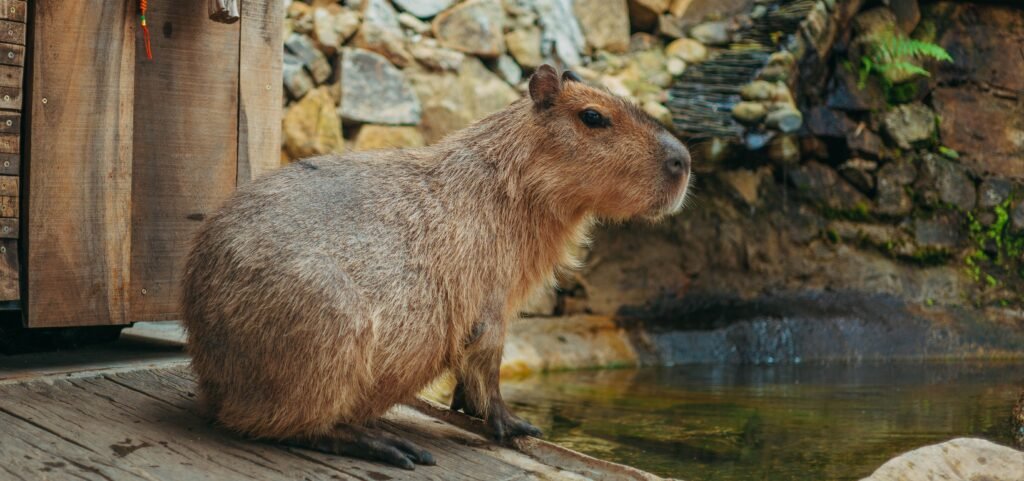
Imagine looking out into your backyard in South Dakota and seeing a giant, friendly guinea pig soaking in a heated kiddie pool. Yes, we are talking about the capybara, the world’s largest rodent and the undisputed king of relaxed animal vibes. These social creatures have taken the internet by storm, winning hearts with their incredibly chill personalities. It is no wonder that many animal lovers in the Mount Rushmore State are asking if they can legally bring one home.
Before you rush out to buy your own semi-aquatic companion, you need to understand the legal landscape of your state. Owning an exotic pet is not quite as simple as picking up a new puppy from a local shelter. Let’s dive deep into South Dakota’s specific rules to see if your capybara dreams can legally become a reality.
South Dakota Exotic Pet Laws: The State Rules
When it comes to exotic animal ownership, South Dakota is surprisingly relaxed compared to its neighboring states. The state’s regulations are governed primarily by the South Dakota Animal Industry Board. If you look closely at the South Dakota Administrative Rule 12:68:18:03, you will find a list of specific animal orders that require a state possession permit. This list includes carnivores, primates, and even elephants, but it notably excludes the order Rodentia.
Because capybaras are classified as rodents, you do not need a special state possession permit to keep them on your property. This makes South Dakota one of the more open states for giant rodent enthusiasts. However, just because the state does not require a license to keep them, it does not mean there are no hoops to jump through. You must still comply with strict import regulations if you are bringing your pet in from out of state.
Navigating the Import Process: Getting Your Capybara into South Dakota
To legally bring a capybara across state lines into South Dakota, you must obtain an official entry permit from the Animal Industry Board. According to the Animal Legal & Historical Center overview, any person importing a nondomestic animal must first secure this permit. Fortunately, these entry permits are free and can easily be obtained by having your licensed veterinarian call the board.
In addition to the entry permit, your capybara will need a Certificate of Veterinary Inspection (CVI). This document, issued by an accredited veterinarian in the state of origin, proves that your new pet is healthy and free of contagious diseases. This process ensures that you do not accidentally introduce harmful illnesses to South Dakota’s local wildlife or agricultural sectors.
Local City and County Rules: The Ultimate Dealbreaker
Even if state officials give you the green light, local municipal laws can completely derail your pet-owning plans. Cities and counties in South Dakota have the authority to pass ordinances that are much stricter than state regulations. Many municipalities ban wild or exotic animals entirely within city limits, regardless of whether they require a state permit.
For example, larger cities like Sioux Falls or Rapid City have strict zoning laws regarding what animals are allowed in residential zones. Keeping a 140-pound rodent in a suburban backyard might violate local health codes or nuisance laws. Always call your local city hall or county commissioner’s office to confirm their rules before spending a single dollar on a capybara.
Where Can You Buy a Pet Capybara?
Since South Dakota does not have local capybara breeders, you will likely need to look out of state. You must locate a reputable, USDA-licensed breeder who specializes in hand-raised exotic rodents. Purchasing from an unlicensed dealer is highly discouraged and can lead to severe legal and health issues.
Reputable breeders will provide you with the necessary paperwork, including USDA registration and health certificates, which are crucial for getting your South Dakota import permit. Be prepared to travel to pick up your pet, as shipping exotic mammals can be incredibly stressful for them.
How Much Does a Pet Capybara Cost?
How much does it actually cost to bring one of these gentle giants home? A pet capybara typically costs between $1,000 and $3,500, depending on their age, gender, and how tame they are. Young, well-socialized capybaras generally command a premium price because they are much easier to handle. The purchase price is only the beginning of your financial commitment. You must also budget for secure fencing, a continuous supply of fresh grass hay, and a heated pool or water source. Capybaras have a strict herbivorous diet that requires specialized vitamin supplementation to prevent nutritional deficiencies like scurvy.
The Social Factor: Two is Better Than One
In the wild, these animals live in large social groups and thrive on constant herd interaction. Because of this, it is highly recommended that you adopt at least two capybaras together. Keeping a single capybara can lead to severe depression, anxiety, and self-destructive behavioral problems. Buying a pair means doubling your budget for both food and veterinary care, which is a vital factor to consider.
Veterinary Care in South Dakota
Finding healthcare for your capybara in South Dakota can be another significant challenge. Standard neighborhood veterinarians are rarely trained to treat exotic species of this size. You will need to find a specialized exotic animal veterinarian who is comfortable working with large, semi-aquatic rodents.
Clinics like All City Pet Care Hospital in Sioux Falls or other regional emergency animal hospitals may have veterinarians capable of treating exotic pets. It is vital to contact these clinics and establish a relationship before your pet arrives. Emergency situations are not the time to be searching for a specialized doctor.
Is South Dakota’s Climate Right for a Capybara?
South Dakota’s weather is another major factor you must consider before adopting. Capybaras are native to the warm, tropical regions of South America. South Dakota’s freezing winters and heavy snowfalls are a massive shock to their physical systems.
During the cold winter months, your capybaras will need a fully insulated, heated indoor shelter to stay safe. They cannot be left outside in the freezing cold, as they are highly susceptible to frostbite. Your indoor setup will also need enough space for them to move around comfortably and stay warm.
Water access is another non-negotiable part of capybara care. These animals are semi-aquatic and need to submerge their bodies to keep their dry skin healthy. During the summer, a deep outdoor pond or stock tank is perfect. In the winter, you must provide a heated indoor tub or pool where they can still swim and bathe.
Summary: Is a Capybara Right for You?
Ultimately, owning a pet capybara in South Dakota is legally possible, but it is a massive commitment. The state does not require a possession permit, but you must still get an entry permit and a health certificate to import them. You can learn more about general exotic pet rules on the FindLaw Exotic Animal Guide to compare state regulations.
If you have the space, the budget, a heated winter shelter, and the approval of your local city council, a capybara can be an incredibly rewarding companion. They are gentle, highly social, and bring a unique joy to any home. Just make sure to do your homework and prepare thoroughly before welcoming these giant water hogs to South Dakota.
Final Thoughts: Conquering the Great Plains Winters
Providing a proper home for capybaras under the vast South Dakota sky requires a serious, winter-proof infrastructure. While our endless, rural grazing lands are ideal for these strict herbivores during the sunny summer months, the howling prairie blizzards mean a robust, heated barn with a deep indoor pool is absolutely non-negotiable. It is a massive financial and physical commitment to run a tropical habitat in the Great Plains, but for the truly dedicated, the bond formed with these unique animals is unmatched.
Thank you for exploring the realities of responsible exotic animal care with us at Capybara Happiness. By taking the time to educate yourself on the unique biological needs of the world’s largest rodent, you are paving the way for a successful, lifelong partnership with nature’s most peaceful creatures. Stay informed, stay prepared, and keep celebrating the joy of the capybara lifestyle!