
The global obsession with capybaras has turned these giant, semi-aquatic South American rodents into internet icons of pure, unfiltered relaxation. From viral videos of them soaking calmly alongside rubber ducks to pictures of them acting as a natural cushion for local birds, their extraordinarily chill demeanor has captivated animal lovers everywhere. If you live in the beautiful state of Arkansas, watching these clips might have you dreaming of bringing a pair of these 140-pound Water Pigs into your own backyard. However, keeping an exotic, water-loving mammal requires evaluating unique wildlife laws, managing heavy financial investments, and engineering a habitat that can withstand regional climate changes.
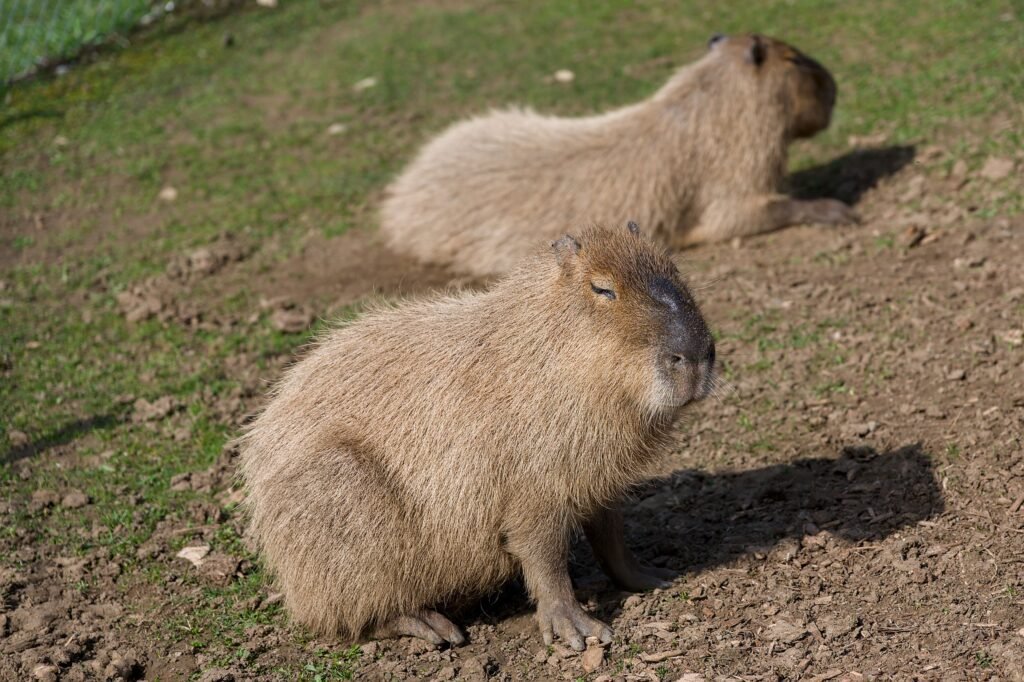
At Capybara Happiness, we are deeply committed to moving past short-term internet trends to provide a realistic look at exotic pet care. Arkansas features a unique blend of sprawling Ozark mountains, dense delta farmlands, and complex river systems, which means its regulations regarding non-native wildlife require careful navigation. In this ultimate guide, we will break down Arkansas’s precise legal classifications, the financial realities of exotic ownership, where individuals look to connect with USDA-licensed breeders, and how to navigate veterinary care on a regional level.
Navigating the Law: Is Capybara Pet Ownership in Arkansas Legal?
When analyzing exotic animal laws across the United States, Arkansas occupies a unique and highly structured middle ground. According to national statutory data tracked by the World Population Review, state laws vary wildly from fully permissive to outright restrictive. The primary regulatory body governing these decisions in the Natural State is the Arkansas Game and Fish Commission (AGFC). The AGFC manages non-native species tightly to protect native wildlife, regional public safety, and state agricultural interests.
Under current state regulations outlined on the official Arkansas Game & Fish Commission captive wildlife portal, animals are categorized into unrestricted, permit-required, and prohibited lists. Unfortunately for aspiring cavy owners, the capybara (Hydrochoerus hydrochaeris) is explicitly placed on the AGFC Addendum R1.03 Prohibited Captive Wildlife Species List. This means that the state will not issue new entry, breeding, or commercial wildlife permits for capybaras to private individuals.
There is, however, a highly specific regulatory exception built into the law. According to the legal code text hosted by the Cornell Legal Information Institute, the issuance of Wildlife Importation Permits and Breeder/Dealer Permits for capybaras is permanently restricted to individuals who were already legally permitted for this specific species prior to May 21, 2020. If an owner does not meet this strict grandfathered criteria, keeping a capybara as a personal pet is entirely illegal within state borders.
Why the Natural State Enforces Strict Regulations
While discovering these restrictions can be disappointing for passionate animal lovers, the AGFC bases its prohibitions on concrete ecological concerns. Arkansas is famous for its extensive, pristine waterways, including the Arkansas River, the Buffalo National River, and massive marshy deltas. Because capybaras are highly efficient semi-aquatic herbivores, an escaped or intentionally released pair could easily adapt to the warm, wet Arkansas summers and establish a breeding feral population.
As documented by national wildlife policy reviews on StatsPanda, non-native rodents of this size pose an immediate threat to local ecosystems. A feral population would strip native aquatic vegetation, cause severe bank erosion along fragile rivers, and compete directly with native species like the North American beaver for food and nesting territory. Additionally, their presence could introduce novel parasites or diseases to local livestock populations, threatening the state’s vital agricultural industry.
Financial Commitments: Sourcing and the Cost of a Capybara
For grandfathered owners or individuals operating accredited zoological facilities who possess the legal right to manage these animals, the initial financial investment remains substantial. Capybaras are premium exotic animals that carry significant upfront price tags. Market data indicates that a healthy, captive-born capybara pup typically costs between $1,500 and $4,000 from a reputable seller, while established adult breeding pairs can easily exceed $8,000.
However, attempting to buy a single capybara is a severe mistake that conflicts directly with their basic biology. Capybaras are obligate herd animals that depend heavily on complex social structures for emotional survival and psychological safety. A single capybara kept in complete isolation will inevitably suffer from profound separation anxiety, resulting in chronic stress, destructive behavior, and a compromised immune system.
Because of this intense social dependency, planning for at least a pair of animals is a non-negotiable step when calculating the complete cost of a capybara. Once you combine the purchase prices with the expenses of constructing a high-quality semi-aquatic habitat, your initial startup costs will easily range from $8,000 to $12,000. Ensuring you can afford a true herd environment is essential to maintaining long-term capybara happiness.
Finding USDA-Licensed Breeders and Exotic Veterinary Care
Because capybaras are strictly regulated and fall under exotic classifications, they are never available at traditional neighborhood pet stores or animal shelters. To acquire an animal legally, qualified individuals must locate a professional breeder licensed by the United States Department of Agriculture (USDA). Since Arkansas does not host commercial capybara ranches due to its prohibited status, permitted facilities generally source their animals from licensed out-of-state breeders in more permissive regions like Texas.
Once a legal permit holder brings a herd into an approved facility, securing specialized medical care becomes the next logistical hurdle. Standard neighborhood veterinarians who treat cats and dogs are not trained, equipped, or insured to provide medical treatment for a giant wild rodent. Capybaras possess continuously growing teeth that require specialized dental floating tools, and their complex digestive tracts react poorly to common domestic animal medications.
Fortunately, regional academic resources like the University of Missouri College of Veterinary Medicine or large exotic specialty practices in neighboring states offer advanced diagnostic and wellness care for non-traditional species. A legal keeper must ensure an exotic vet is fully prepared to take on patients of this size before any animals arrive. Regular wellness check-ups are vital to monitor their weight, evaluate continuous tooth wear, and verify they remain healthy.
Habitat Engineering: Managing the Arkansas Climate
Replicating a tropical South American wetland environment within the changing seasons of Arkansas requires careful habitat engineering. During the hot, humid summer months, an outdoor enclosure must provide a massive amount of reliable shade to protect them from intense heat and a constant, clean source of water. The setup must include a deep, filtered swimming pool or a dedicated pond that allows the animals to submerge completely to swim, regulate their body temperature, and defecate naturally.
Additionally, the entire perimeter must be enclosed by a sturdy 4-to-5-foot fence with an underground barrier to prevent these strong animals from rooting or pushing their way out. While Arkansas summers are ideal for basking, winters in the Ozark region frequently drop well below freezing. Because capybaras have sparse coats and are highly vulnerable to frostbite on their sensitive ears and webbed feet, they must have access to an insulated, climate-controlled outbuilding equipped with safe, radiant heaters to stay warm and dry when the weather turns cold.
Final Thoughts on Arkansas Wildlife Compliance
Stepping into the world of exotic animal management requires putting ecological safety and animal welfare far above personal desires. While the dream of sharing an Arkansas backyard with a giant, friendly rodent is a popular internet fantasy, the reality is that the state strictly restricts these animals to protect its rich natural resources. By understanding and respecting the strict guidelines set forth by the Arkansas Game and Fish Commission, animal lovers can prove themselves to be truly dedicated, informed, and compassionate advocates for nature’s most peaceful giants.
Thank you for exploring the realities of responsible exotic animal care with us at Capybara Happiness. By taking the time to educate yourself on the unique biological needs of the world’s largest rodent, you are paving the way for a successful, lifelong partnership with nature’s most peaceful creatures. Stay informed, stay prepared, and keep celebrating the joy of the capybara lifestyle!