
The global obsession with capybaras has turned these giant South American rodents into internet icons of pure, unfiltered relaxation. From viral videos of them soaking calmly alongside ducks to pictures of them acting as a natural cushion for local birds, their extraordinarily chill demeanor has captivated animal lovers everywhere. If you live in the small but beautiful state of Delaware, watching these clips might have you dreaming of bringing a capybara into your own backyard. However, keeping an exotic, water-loving mammal requires evaluating unique state wildlife laws, managing heavy financial investments, and engineering a highly secure containment habitat.
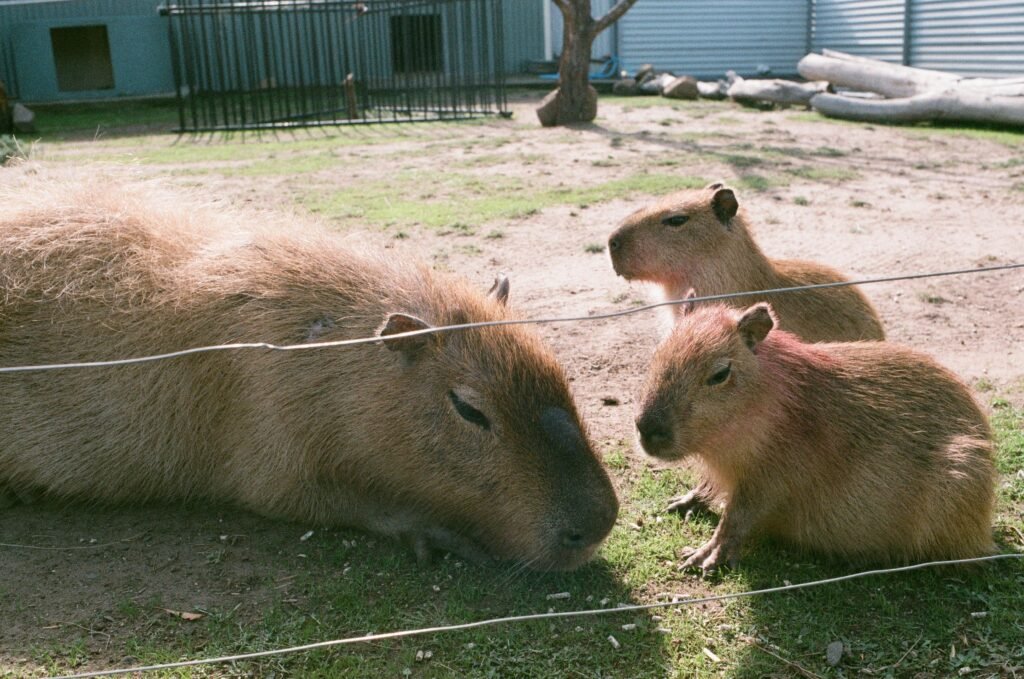
At Capybara Happiness, we love celebrating the pure joy of the capybara lifestyle, but we are also deeply committed to promoting responsible animal welfare. Delaware features a distinct regulatory environment that places specific legal hurdles between you and your dream pet. In this ultimate guide, we will break down Delaware’s exact legal classifications for exotic mammals, the state’s strict two-enclosure rule, the financial realities of purchasing a herd, and how to navigate local county restrictions and specialized veterinary care.
Navigating the Law: Is a Capybara Legal in Delaware?
When analyzing exotic animal laws across the United States, Delaware occupies a highly regulated middle ground. According to national statutory data tracked by the World Population Review, individual state frameworks vary from completely unregulated to absolute, sweeping prohibitions. The primary regulatory body governing these decisions in the First State is the Delaware Department of Agriculture (DDA). The DDA strictly monitors non-native species to safeguard the public, protect local agriculture, and maintain native ecosystem stability.
Under current state rules established by the Delaware Department of Agriculture, any animal classified as exotic requires a formal permit before it can legally enter or reside in the state. Delaware defines an exotic animal as any live wild mammal, hybrid of a wild mammal, or live reptile that is not native to or generally found within the state. While the DDA explicitly exempts small pocket pets like chinchillas, hamsters, and standard guinea pigs from this process, the massive capybara does not make the exempt list.
Because capybaras are not exempt, any resident wishing to own one must formally apply to the DDA’s Poultry and Animal Health Section for an Individual Permit. As detailed in the comprehensive Animal Legal & Historical Center administrative database, these Individual Permits are non-transferable, require a complete criminal background check, and are valid for a maximum of three years before requiring a renewal evaluation. Crucially, the state completely bans private individual permit holders from breeding their exotic pets, meaning your capybaras must be kept purely as companion animals.
The Strict Double Enclosure Containment Mandate
The most demanding hurdle for prospective capybara owners in Delaware is the state’s mandatory double enclosure containment infrastructure. To secure an Individual Permit, you must provide the DDA with satisfactory proof that your property features both a primary and a secondary containment system. The primary enclosure serves as the animal’s direct living habitat and must meet rigid structural, lighting, temperature, and ventilation guidelines consistent with professional USDA welfare standards for giant rodents.
Surrounding the primary habitat, the state mandates a completely separate secondary enclosure, such as a perimeter fence, that serves as a backup barrier. This secondary wall must be strong enough to prevent the capybara from escaping into the neighborhood if the primary gate fails. Furthermore, Delaware law dictates that the secondary enclosure must be engineered to completely eliminate any possibility of physical contact between members of the general public and your exotic pet, minimizing public liability and safety risks.
Financial Commitments: Price of Buying a Capybara
If you possess the land, secure fencing, and the approved state permit required to house these peaceful creatures, you must prepare for a significant financial investment. Capybaras are premium exotic animals that carry hefty upfront price tags from specialized sellers. Market data indicates that a healthy, captive-born capybara pup typically costs between $1,500 and $4,000, while established adult breeding pairs can easily exceed $8,000.
However, attempting to purchase a single capybara is a severe mistake that conflicts directly with their basic biological needs. Capybaras are obligate herd animals that depend heavily on complex social structures for emotional stability and psychological safety. A single capybara kept in complete isolation will inevitably suffer from profound separation anxiety, resulting in chronic stress, destructive chewing behavior, and a compromised immune system.
Because of this intense social dependency, planning for at least a pair of animals is a non-negotiable step when calculating the true cost of a capybara. Once you combine the purchase prices with the expenses of constructing a high-quality semi-aquatic habitat, your initial startup costs will easily range from $8,000 to $12,000. Ensuring your budget can support a true herd environment is essential to maintaining long-term capybara happiness.
Finding Sourcing and Specialized Veterinary Care
Because Delaware explicitly regulates these animals and outlaws local breeding for private pet owners, you cannot source them locally. Qualified buyers must look out of state to connect with professional breeders who are fully licensed by the United States Department of Agriculture (USDA). Most legal keepers source their animals from large, reputable ranches in more permissive states like Texas or Florida, arranging for legal, climate-controlled transport once their Delaware permit is finalized.
Once your animals arrive, securing specialized medical care becomes your next major operational hurdle. Standard neighborhood veterinarians who treat cats and dogs are not trained, equipped, or insured to handle a 140-pound wild rodent. Capybaras possess continuously growing teeth that require specialized dental floating tools, and their sensitive, complex digestive tracts react poorly to common domestic animal medications.
Fortunately, Delaware residents can seek help from regional exotic wildlife specialists or major academic institutions in surrounding states, such as the University of Pennsylvania School of Veterinary Medicine. A legal keeper must ensure an exotic vet is fully prepared to take on patients of this size before any animals arrive. Regular wellness check-ups are vital to monitor their weight, evaluate continuous tooth wear, and verify they remain healthy.
Managing Local County and City Restrictions
While securing a state-level permit from the Delaware Department of Agriculture is mandatory, it does not automatically grant you permission to bring an animal home. The DDA explicitly states that individual counties, cities, and towns retain the authority to enforce their own independent wildlife prohibitions. For example, if you reside in an unincorporated area of New Castle County, Kent County, or Sussex County, you must clear your plans with the local Department of Land Use or Planning and Zoning division first.
Many municipalities within Delaware have strict zoning ordinances that ban the keeping of non-domesticated mammals or livestock in residential zones altogether. If you pay local city taxes, your property falls under municipal jurisdiction, meaning a city hall ordinance could completely outlaw capybaras even if the state approves your primary and secondary fences. Always verify your local neighborhood zoning codes before filling out your state permit paperwork.
Final Thoughts on Delaware Wildlife Compliance
Stepping into the world of exotic animal management requires putting ecological safety and animal welfare far above personal desires. While the dream of sharing a Delaware backyard with a giant, friendly rodent is a popular internet fantasy, the reality involves meticulous legal permitting and heavy structural engineering. By taking the time to deeply research state laws, build flawless double enclosures, and respect municipal zoning codes, you prove yourself to be a truly dedicated, informed, and compassionate advocate for nature’s most peaceful giants.
Thank you for exploring the realities of responsible exotic animal care with us at Capybara Happiness. By taking the time to educate yourself on the unique biological needs of the world’s largest rodent, you are paving the way for a successful, lifelong partnership with nature’s most peaceful creatures. Stay informed, stay prepared, and keep celebrating the joy of the capybara lifestyle!