
The global obsession with capybaras has turned these giant, semi-aquatic South American rodents into internet icons of pure, unfiltered relaxation. From videos of them soaking calmly alongside rubber ducks to pictures of them acting as a cushion for local bird life, their extraordinarily chill demeanor has captivated animal lovers everywhere. If you live in the beautiful state of South Carolina, watching these clips might have you dreaming of bringing a capybara into your own backyard. However, keeping an exotic, water-loving mammal requires evaluating unique wildlife laws, managing heavy financial investments, and engineering a habitat that can withstand regional climate changes.
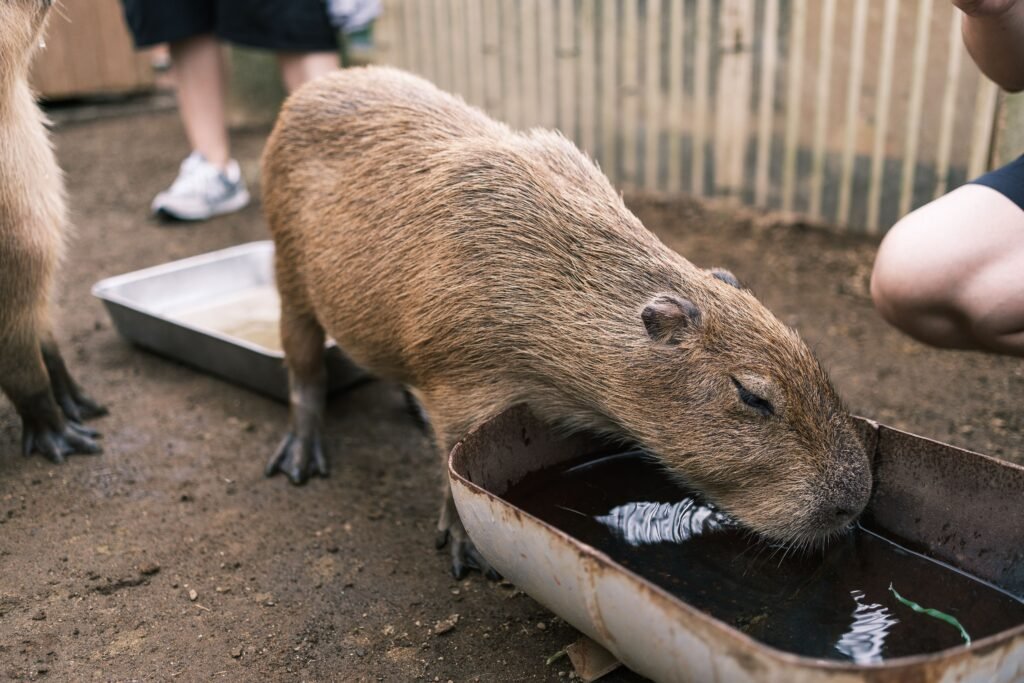
At Capybara Happiness, we are deeply committed to moving past the short internet trends to provide a realistic look at exotic pet care. South Carolina features a unique blend of sprawling rural land, dense coastal suburbs, and historic townships, which means its regulations regarding non-native wildlife require careful navigation. In this ultimate guide, we will break down South Carolina’s precise legal classifications, the financial realities of exotic ownership, where to connect with USDA-licensed breeders, and how to secure specialized veterinary care on the East Coast.
Navigating the Law: Is it Legal to Own a Capybara in South Carolina?
When analyzing exotic animal laws across the United States, South Carolina historically maintained a highly permissive stance on non-traditional pets. According to national statutory data tracked by the World Population Review, South Carolina is firmly classified as a state where capybaras are legal to own as personal pets without a state-level permit. The primary regulatory body, the South Carolina Department of Natural Resources (SCDNR), focuses its strict prohibitions on native wildlife management and highly dangerous non-native species.
Under current South Carolina Code Section 47-2-30, the state explicitly bans the private possession, breeding, or sale of large wild cats, non-native bears, and great apes. As outlined by comprehensive legal reviews on A-Z Animals, large rodents like capybaras completely escape this list of prohibited dangerous animals. Because they are peace-loving herbivores rather than apex predators, the state does not require individual hobbyists to secure a formal state-level license or post a public safety bond simply to own them.
However, a lack of a restrictive state law does not mean a complete free-for-all across the Palmetto State. The most critical regulatory hurdle for Capybara Pet Ownership in South Carolina exists entirely at the local municipal and county levels. According to Title 50 wildlife laws monitored by the Animal Legal & Historical Center, individual cities and counties retain the full legal right to restrict or ban specific non-traditional animals through local zoning codes and public safety ordinances. Major metropolitan areas like Charleston, Columbia, or Greenville often enforce local city codes that strictly prohibit the keeping of any large exotic mammals within residential limits.
Before making any financial moves or contacting out-of-state facilities, you must contact your specific county commissioners and local animal control office to confirm your property is properly zoned. If you reside in a highly populated suburban neighborhood, local ordinances will likely block your plans due to strict livestock or noise frameworks. However, if your property is situated in an unincorporated rural township or a region explicitly zoned for heavy agricultural use, your legal path to establishing a giant rodent habitat will be significantly smoother.
Financial Commitments: The Real Cost of a Palmetto Herd
If your local zoning codes clear the way for your exotic pet journey, you must prepare your household budget for a substantial initial financial investment. Capybaras are highly specialized animals that carry premium price tags. Market data indicates that a single, healthy, captive-bred capybara pup typically costs between $1,000 and $3,500, while established adult breeding pairs can easily exceed $8,000 depending on their lineage.
However, attempting to purchase a single capybara is a severe mistake that conflicts directly with their basic biology. Capybaras are obligate herd animals that depend heavily on complex social structures for emotional survival and psychological safety. According to veterinary health summaries published by WebMD, a single capybara kept in isolation will inevitably suffer from profound separation anxiety, resulting in chronic stress, destructive chewing habits, loud distress calls, and a severely compromised immune system.
Because of this intense social dependency, ethical exotic breeders will rarely allow you to adopt a single pup unless you can prove you already have a companion cavy waiting at home. Planning for at least a pair of animals is a non-negotiable step when calculating the complete cost of a capybara. Once you combine the purchase prices with the expenses of constructing a high-quality semi-aquatic habitat, your initial startup costs will easily range from $8,000 to $12,000.
Sourcing Your Pet: Finding USDA-Licensed Breeders
Because capybaras require specialized care and fall under exotic classifications, you will never find them available at a traditional neighborhood pet store or local animal shelter. To buy a capybara legally and safely, you must locate a professional breeder licensed by the United States Department of Agriculture (USDA). The USDA monitors commercial exotic breeders to enforce basic animal welfare standards and ensure that the animals are humanely raised.
While South Carolina itself does not host a high density of commercial capybara ranches, sourcing a pup from reputable Southern or Midwestern networks is relatively straightforward. A trustworthy, licensed breeder will always require a thorough interview to confirm you understand the animal’s complex biological needs, provide certified veterinary health certificates, and invite you to inspect the facility. Never purchase an animal from an unverified broker who offers to drop-ship a pup without verifying your local ordinances.
Bringing your new herd home is an extraordinary milestone that transforms your daily routine. Once your USDA-certified pups safely arrive, you can fully embrace the incredible experience of becoming the ultimate Capy mom or dad. This initial phase requires an immense amount of quiet bonding time, patient hand-feeding with fresh vegetation, and establishing a predictable routine to ensure your animals adapt seamlessly to their new home and thrive under your care.
Sourcing an Exotic Vet on the East Coast
One of the most critical logistical hurdles of managing giant rodents is securing proper medical infrastructure. Standard neighborhood veterinarians who treat cats and dogs are not trained, equipped, or insured to provide medical treatment for a 140-pound wild rodent. Capybaras possess continuously growing hypsodont teeth that require specialized dental floating tools, and their complex digestive tracts react poorly to common domestic animal medications.
Fortunately, the Southeast features several advanced veterinary resources capable of handling unique species. Practices such as the All Creatures Exotic Animal Clinic specialize specifically in non-traditional species and can provide the advanced diagnostic, dental, and wellness care these large rodents require. You must ensure your selected veterinary clinic is fully prepared to take on patients of this size and species before finalizing your adoption plans.
Keep in mind that routine dental exams or unexpected medical emergencies may require transporting a heavy, stressed animal over long distances. You must invest in a heavy-duty transport crate and an appropriately sized vehicle to handle transportation safely across the state’s busy highways. Regular wellness check-ups are vital to monitor their weight, evaluate their continuous tooth wear, and verify they are thriving and maintaining overall capybara happiness.
Habitat Engineering: Sun, Shade, and Winter Protection
Capybaras are native to the tropical wetlands of South America, which means they are beautifully adapted to handle the warm, humid South Carolina summers. However, replicating their natural environment requires careful seasonal habitat planning. During the summer months, your outdoor enclosure must provide a massive amount of reliable shade to protect them from intense heat and a constant, clean source of water.
Your setup must include a deep, filtered swimming pool or a dedicated pond that allows the animals to submerge completely to swim, regulate their body temperature, and defecate naturally. Additionally, the entire perimeter must be enclosed by a sturdy 4-to-5-foot fence with an underground barrier to prevent these strong animals from rooting or pushing their way out. Ensuring they can behave naturally in a secure space is a cornerstone of overall physical health.
While South Carolina winters are relatively mild compared to northern states, temperatures frequently drop below freezing, especially in the Upstate region. Because capybaras have sparse coats and are highly vulnerable to frostbite on their sensitive ears and webbed feet, you must provide a climate-controlled outbuilding or a modified barn. This structure must be equipped with safe, radiant heaters to ensure your animals stay warm, dry, and healthy when the weather turns cold.
Final Thoughts: The True Commitment to the Herd
Stepping into the world of exotic pet ownership in South Carolina is a profoundly rewarding journey, but it is not a decision to be made lightly. It means dedicating your space, your time, and your financial resources to recreating a complex South American wetland environment right in your backyard. By prioritizing local municipal compliance, investing in a true herd environment, and securing a relationship with an experienced exotic veterinarian, you can build a safe, peaceful haven that honors the true spirit of these gentle giants.Thank you for exploring the realities of responsible exotic animal care with us at Capybara Happiness. By taking the time to educate yourself on the unique biological needs of the world’s largest rodent, you are paving the way for a successful, lifelong partnership with nature’s most peaceful creatures. Stay informed, stay prepared, and keep celebrating the joy of the capybara lifestyle!