The internet’s obsession with capybaras has reached a fever pitch, transforming these massive, semi-aquatic South American rodents into global symbols of absolute tranquility. If you have ever watched a viral video of a giant cavy soaking in a hot bath surrounded by citrus fruits, you have probably wondered what it would take to bring that peaceful energy into your own life. For residents of the Heart of Dixie, the dream of sharing a home with a capybara raises a critical first question. Can you legally keep a capybara as a pet in Alabama?
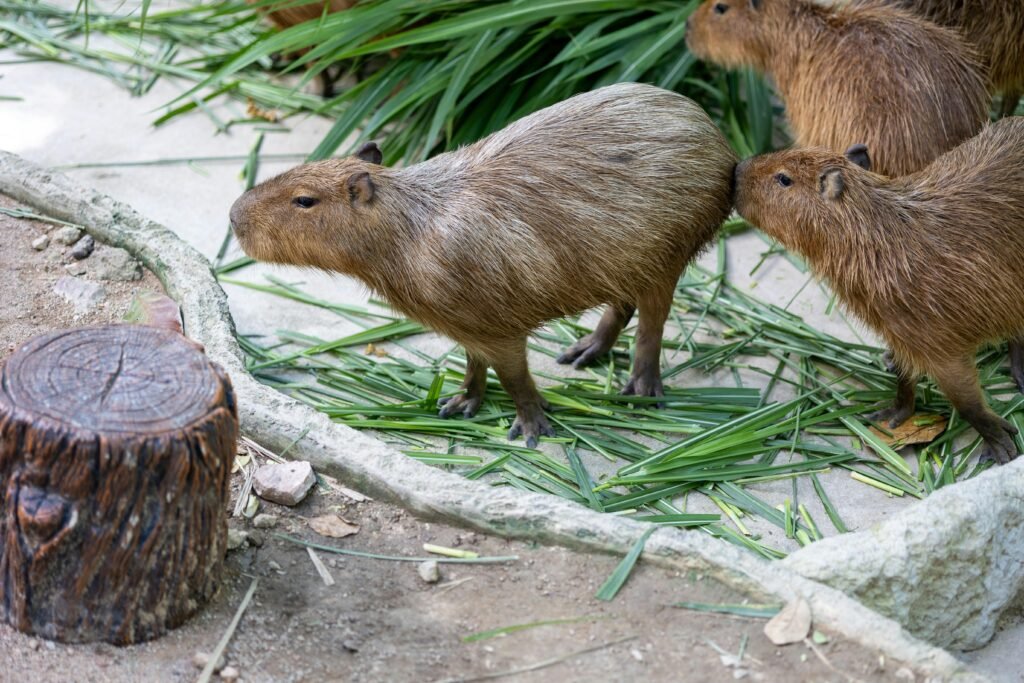
At Capybara Happiness, we believe that true passion for wildlife requires moving past cute social media clips to understand the concrete realities of exotic animal husbandry. Alabama is widely known for having some of the most accommodating wildlife laws in the country, but managing a giant, herd-dependent rodent introduces highly specialized care challenges. In this ultimate guide, we will break down Alabama’s unique legal landscape, the real financial costs of ownership, where to find USDA-licensed breeders, and how to source the vital veterinary care required to keep your oversized companions happy and healthy.
Decoding the Law: Is it Legal to Own a Capybara in Alabama?
When analyzing exotic animal laws across the United States, Alabama stands out as one of the most permissive states for individual owners. According to data tracked by the World Population Review, Alabama is firmly grouped among the select states where capybara ownership is entirely legal without requiring a restrictive state-level permit. The primary regulatory body, the Alabama Department of Conservation and Natural Resources (ADCNR), maintains an explicit list of prohibited nonnative wildlife under Administrative Code Rule 220-2-.26, but the capybara is not on it.
However, a lack of state-level prohibition does not give you an automatic green light to build a backyard sanctuary. Alabama law grants immense authority to local municipal governments and county commissions to regulate or completely ban exotic pets within their boundaries. Major metro areas like Birmingham, Montgomery, Mobile, and Huntsville frequently enforce strict local animal control ordinances that outlaw the possession of large, non-traditional mammals inside city limits.
Before making any financial commitments, you must contact your specific county clerk and local animal control office to review your regional zoning laws. If you live in an unincorporated rural region or a county with highly relaxed agricultural codes, you will find it much easier to legally establish a permanent home for your webbed-footed friends.
Financial Reality: The Price of Buying a Capybara
If your local zoning codes clear the way for your exotic pet journey, you must prepare your household budget for a substantial financial investment. Capybaras are highly specialized animals that carry premium price tags. Market data verified by A-Z Animals indicates that a single, healthy, captive-bred capybara pup typically costs between $1,000 and $3,500, while established adult breeding pairs can easily exceed $8,000 depending on their genetic lineage.
However, the purchase price of the animal is just the entry fee for a much larger long-term financial commitment. The most important rule of capybara care is recognizing that they are obligate herd animals that depend heavily on social structures for emotional survival. A single capybara kept in isolation will inevitably suffer from severe separation anxiety, resulting in depression, destructive chewing habits, and a compromised immune system.
Because of this profound social dependency, ethical exotic breeders will rarely allow you to adopt a single pup unless you can prove you already have a companion animal waiting at home. Planning for at least a pair of animals is a non-negotiable step when calculating the complete cost of a capybara. Once you combine the purchase prices with the expenses of constructing a high-quality semi-aquatic habitat, your initial startup costs will easily range from $8,000 to $12,000.
Sourcing Your Pet: Finding Reputable Breeders
Because capybaras are highly specialized exotic mammals, you will never find them available at a traditional neighborhood pet store. To buy a capybara legally and safely, you must locate a professional breeder licensed by the United States Department of Agriculture (USDA). The USDA monitors commercial exotic breeders to enforce basic animal welfare standards and ensure that the animals are humanely raised.
While Alabama does not host a high density of specialized capybara ranches, its proximity to major exotic breeding hubs in Texas and Florida makes sourcing relatively straightforward. A trustworthy, licensed breeder will always require an interview to confirm you understand the animal’s complex biological needs, provide certified veterinary health certificates, and invite you to inspect the facility. Never purchase an animal from an online classified site or an unverified broker who offers to drop-ship a pup without verifying your local ordinances.
Bringing your new animals home marks the beginning of an extraordinary, lifelong commitment to their welfare. Once your USDA-certified pups safely arrive in the Heart of Dixie, you can officially step into the rewarding role of the ultimate Capy mom or dad. This initial bonding phase requires an immense amount of patience, hand-feeding, and quiet reassurance to help your new semi-aquatic companions bond with you and acclimate to their new habitat.
Dixie Healthcare: Sourcing an Exotic Vet in Alabama
One of the most critical logistical hurdles of Capybara Pet Ownership in Alabama is securing proper medical infrastructure. Standard neighborhood veterinarians who treat cats and dogs are not trained, equipped, or insured to provide medical treatment for a 140-pound wild rodent. Capybaras possess continuously growing hypsodont teeth that require specialized dental floating tools, and their complex digestive tracts react poorly to common domestic animal medications.
Before your pups ever set foot on your property, you must establish a formal relationship with a qualified exotic companion mammal vet. You will typically need to look toward major academic research facilities or highly specialized regional wildlife centers. The Alabama Department of Conservation and Natural Resources can occasionally provide resources on registered wildlife rehabilitators, but private exotic care requires looking toward specialized regional clinics or traveling to comprehensive university veterinary hospitals in neighboring states.
Keep in mind that an emergency or routine dental check-up might require transporting a heavy, highly stressed animal across long distances. You will need to invest in a heavy-duty transport crate and a spacious vehicle to ensure safe transit. Regular preventative veterinary care is essential to monitor their continuous tooth wear, analyze their diet, and ensure your animals maintain peak condition throughout their long lifespans.
Habitat Engineering: Managing Alabama’s Climate
Capybaras are native to the tropical wetlands of South America, which means they are beautifully adapted to handle the intense heat and high humidity of an Alabama summer. However, replicating their natural environment requires careful habitat planning. Your enclosure must feature an absolute minimum of a 4-to-5-foot secure perimeter fence with an underground barrier to prevent these strong animals from rooting or digging their way out.
Water is a vital biological requirement for a capybara’s skin, digestion, and mental health. Your backyard setup must include a deep, clean pond or a dedicated, filtered swimming pool that allows the animals to submerge completely to swim and defecate naturally. Shade is equally non-negotiable, you must provide plenty of natural tree cover, shade cloths, or sheltered lean-tos where they can escape the direct mid-day sun to prevent their sensitive skin from drying out and sunburnaging, which is crucial for overall capybara happiness.
While Alabama’s summers are a capybara’s paradise, the winter months bring sudden freezing temperatures and frost risks that can be deadly. Because capybaras are highly vulnerable to frostbite on their ears and webbed feet, you must construct an insulated, climate-controlled indoor shelter. Equipping this shelter with safe, radiant heaters guarantees that when winter weather rolls through the South, your herd will remain warm, dry, and perfectly safe.
Final Thoughts: The Commitment to the Herd
Stepping into the world of exotic pet ownership in the Heart of Dixie is a profoundly rewarding journey, but it is not a decision to be made lightly. It means dedicating your space, your time, and your financial resources to recreating a complex South American wetland in your own backyard. By prioritizing local legal compliance, investing in a true herd environment, and securing specialized veterinary care, you can build a safe, peaceful haven that honors the true spirit of these gentle giants.Thank you for exploring the realities of responsible exotic animal care with us at Capybara Happiness. By taking the time to educate yourself on the unique biological needs of the world’s largest rodent, you are paving the way for a successful, lifelong partnership with nature’s most peaceful creatures. Stay informed, stay prepared, and keep celebrating the joy of the capybara lifestyle!