
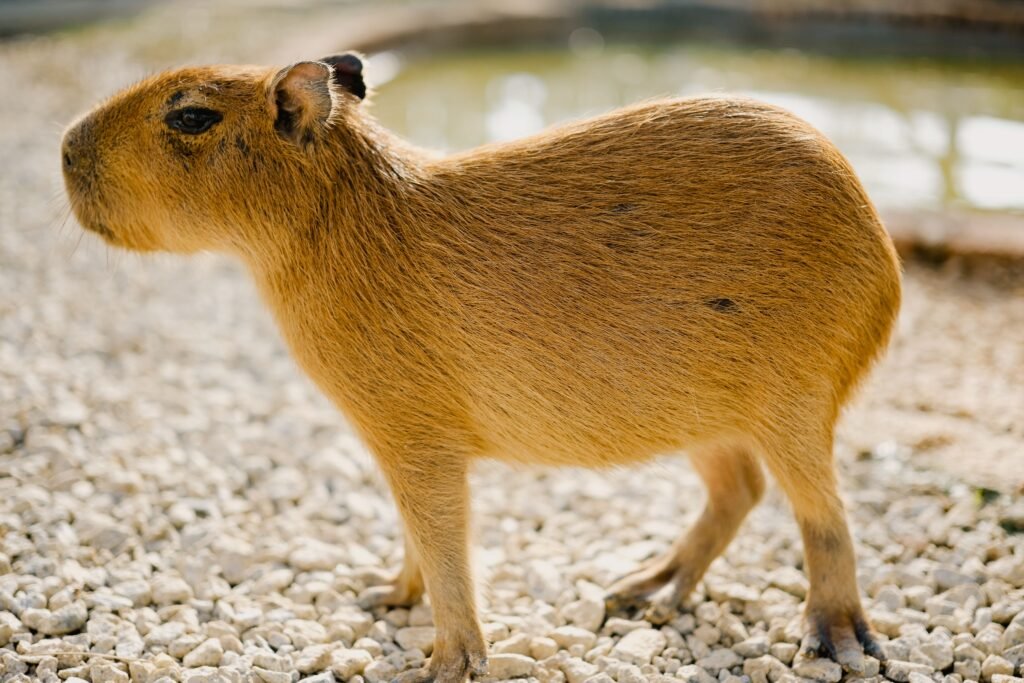
With their incredibly gentle eyes, webbed feet, and absolute mastery of the art of doing nothing, capybaras have officially conquered the internet. These giant South American rodents (often seen lounging alongside ducks, monkeys, and even crocodiles) exude a level of calm that is highly contagious. If you reside in the volunteer-friendly state of Tennessee, you might be daydreaming about hosting a pair of these 140-pound mammals in your own backyard.
While the idea of sharing your space with a colossal guinea pig is highly appealing, bringing this dream to life requires a clear plan. Tennessee’s lush landscapes are ideal for outdoor animals, but keeping an exotic species requires navigating strict state codes, municipal zoning, and high care standards.
Deciphering the Volunteer State Rules: Is a Pet Capybara Legal?
Before you start designing a custom water feature for your backyard, you must determine if keeping a capybara is permitted under Tennessee state law. The regulation of live wildlife in the state is managed by the Tennessee Wildlife Resources Agency (TWRA). Tennessee uses a strict class-based classification system to regulate non-native and wild animals.
Under the Tennessee Code Title 70 Section 70-4-403, animals are separated into classes. Class I covers inherently dangerous species like tigers, bears, and venomous snakes, which are banned for private personal possession. Class II consists of protected native species.
Fortunately, the capybara is categorized under Class III wildlife. This class includes exotic species not explicitly listed in other classes and requires no state-level personal possession permits from the TWRA.
However, you are still subject to the rules of the Tennessee Department of Agriculture. If you import a capybara from another state, you must obtain a Certificate of Veterinary Inspection (CVI) to prove the animal is healthy. You can check the broader legal context of these rules via the Animal Legal & Historical Center database to see how import laws are structured.
The Municipal Catch: Local Zoning Regulations
While state wildlife officials do not require a permit for Class III animals, local municipal governments can establish much stricter rules. Individual counties, cities, and residential zones in Tennessee have the authority to ban exotic pets within their borders.
Major urban centers like Nashville, Memphis, Knoxville, and Chattanooga enforce local municipal ordinances that ban the keeping of non-domesticated or wild mammals in residential areas. Even if the state of Tennessee considers a capybara to be a Class III rodent, a local animal control division might classify it as an illegal exotic pet.
Before moving forward with a purchase, contact your local city hall, county clerk, or municipal animal control officer. You must obtain written verification that keeping a large semi-aquatic rodent is compliant with your local zoning ordinances.
Sourcing and the Financial Investment of Capybara Pet Ownership in Tennessee
If your local zoning is clear, your next task is securing a healthy, captive-born capybara from a licensed source. Because Tennessee does not host major commercial capybara ranches, you will likely need to look to out-of-state breeders.
Where to Buy a Capybara legally
You must purchase your animals from a reputable breeder fully licensed by the United States Department of Agriculture (USDA). Avoid unlicensed online sellers or sketchy animal markets. A licensed breeder will provide a legal bill of sale and help coordinate the mandatory interstate veterinary certificates required to cross the Tennessee state line safely.
Price of Buying a Capybara
The financial commitment of keeping these animals is significant. A single USDA-licensed capybara pup typically costs between $1,500 and $3,500. Young, hand-raised, and well-socialized babies are generally the most expensive because they are accustomed to human handling.
However, buying just one capybara is highly discouraged. In their native South American wetlands, capybaras live in tightly-knit family herds and rely heavily on social structures for emotional well-being. Keeping a single capybara in isolation can lead to severe stress, depression, and self-harming behaviors.
To maintain high standards of animal welfare, you should plan on adopting at least a pair. This doubles your initial purchase price to $3,000 to $7,000, not including shipping or veterinary fees. You can explore the complete lifetime budget of these animals in our capybara financial planning guide.
Habitat and Diet: Providing a True Oasis
To support their semi-aquatic nature, your backyard must be carefully retrofitted before your new pets arrive. Capybaras possess dry, sensitive skin and require constant access to a deep, clean water source where they can submerge entirely to swim and rehydrate.
Important: A small plastic wading pool is not sufficient. You must provide a large, filtered farm stock tank, a dedicated pond, or an in-ground pool with a gentle ramp for easy entry and exit.
Your outdoor enclosure must be secured with sturdy, four-to-five-foot fencing anchored below the ground, as they are capable diggers and strong jumpers when startled. Their diet must consist of high-quality orchard grass hay, fresh vegetables, and specialized vitamin C supplements to prevent nutritional deficiencies like scurvy.
Finding Specialized Veterinary Care in Tennessee
Securing proper medical care is a critical step that must be finalized before you bring your animals home. Standard local veterinary clinics that treat cats and dogs do not have the specialized tools, facilities, or training to treat a 140-pound exotic rodent.
Fortunately, Tennessee is home to some of the country’s leading veterinary facilities. The University of Tennessee College of Veterinary Medicine in Knoxville features a dedicated avian and exotic animal clinic capable of treating large, non-traditional mammals. Additionally, specialized exotic clinics in the Nashville and Memphis metro areas can handle routine checkups and dental floating.
Be prepared to establish a client relationship with an exotic veterinarian ahead of time. You should also budget for regular wellness exams, as their continuously growing teeth require routine monitoring to prevent painful dental conditions.
Summary: Is a Tennessee Capybara Right for You?
Owning a pet capybara in the Volunteer State is legally accessible under state Class III rules, but it represents a major, long-term lifestyle commitment. If you have a spacious rural property, a healthy budget, local zoning approval, and a passion for animal husbandry, these gentle creatures can make incredibly rewarding companions. For additional comparisons on how Tennessee’s exotic animal laws align with neighboring states, you can consult the FindLaw Exotic Animal State Directory. Take your time, plan your backyard layout carefully, and prioritize the emotional and physical well-being of these wonderful giant rodents!
Final Thoughts: Making the Volunteer State a Capybara Haven
With its rolling hills and lush grazing pastures, Tennessee offers a gorgeous backdrop for raising a pair of these social South American giants. While the state’s climate is much milder than the far north, you still must provide insulated winter quarters to keep them safe from sudden, freezing cold snaps. Navigating the Tennessee Wildlife Resources Agency’s permit process is a meticulous task, but it guarantees your beloved pets are kept legally, safely, and responsibly.
Thank you for exploring the realities of responsible exotic animal care with us at Capybara Happiness. By taking the time to educate yourself on the unique biological needs of the world’s largest rodent, you are paving the way for a successful, lifelong partnership with nature’s most peaceful creatures. Stay informed, stay prepared, and keep celebrating the joy of the capybara lifestyle!