
Thinking about welcoming the world’s largest rodent into your home or sanctuary? With their internet-famous calm energy and social nature, it is easy to fall in love with capybaras. However, bringing one of these gentle semi-aquatic giants into your life requires far more than just enthusiasm, it demands a substantial financial commitment.
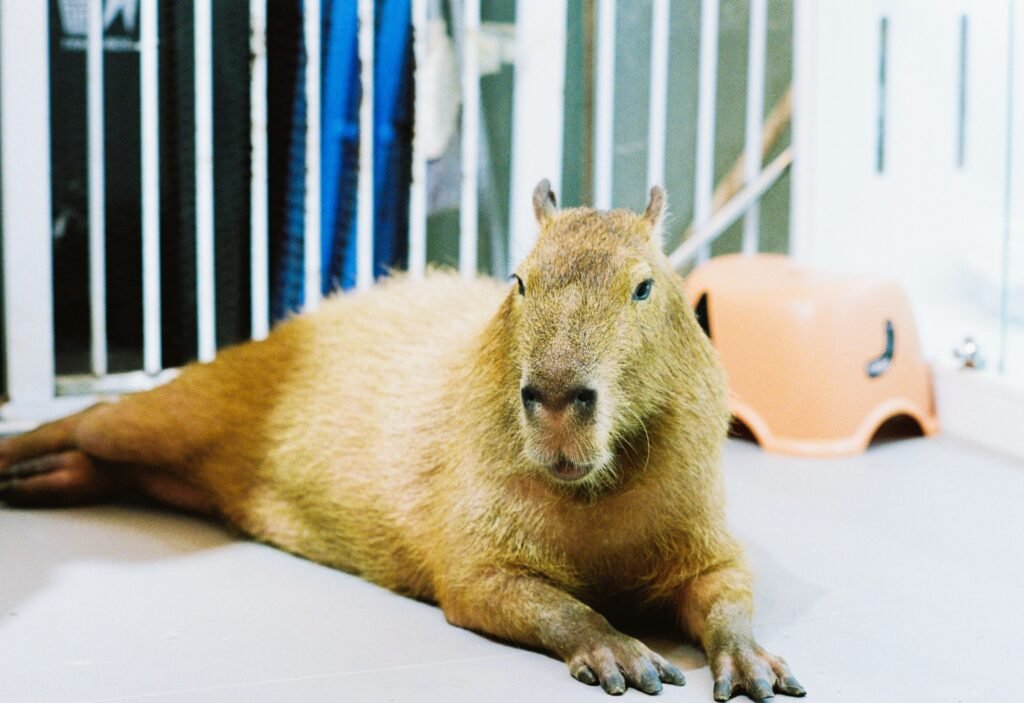
From initial adoption fees to specialized habitats and daily forage, the total lifetime expenses of capybara ownership can easily reach tens of thousands of dollars. Before taking the plunge, it is crucial to understand every line item in a proper capybara financial plan. Let us break down the upfront setup fees, ongoing care, and long-term expenses so you can accurately budget for your dream pet.
Understanding Capybara Breeder Pricing and Acquisition Costs
The first major expense on your journey is the initial capybara purchase cost. Price tags for these exotic rodents vary widely based on the breeder’s location, the animal’s age, gender, and overall health history.
On average, individual capybaras from USDA-licensed breeders range anywhere from $1,000 to $3,000, though baby females or specialized lineages can easily reach $5,000 to $7,500. However, buying just one animal is rarely a responsible option. Capybaras are deeply herd-oriented creatures that experience severe distress when isolated. Most ethical breeders will insist you purchase a pair, immediately doubling your initial acquisition fees.
Upfront Acquisition Expenses to Expect
- Pair of Capybaras: $3,000 to $10,000+ depending on age and gender.
- Permit and License Fees: $50 to $500 depending on your local state or municipal exotic pet laws.
- Initial Veterinary Screening: $100 to $300 for wellness checks, parasite screens, and travel health certificates.
- Transport and Shipping: $500 to $1,500 for ground or air transport in USDA-approved climate-controlled crates.
Understanding the initial capybara market value is just the beginning. You can explore more about planning your financial timeline with our comprehensive guide on Capybara Happiness Care Costs.
Habitat and Housing: The Largest Upfront Investment
Creating an environment where semi-aquatic rodents can thrive is typically the most expensive part of the process. Capybaras need ample outdoor space to graze, a secure perimeter to prevent escapes, and a heated indoor retreat to protect them from winter temperatures.
According to housing parameters outlined by the USDA APHIS Animal Care Standards, semi-aquatic animals require containment structures that guarantee physical safety, drainage, and adequate space for exercise. Fencing for a capybara enclosure must be at least 4 to 5 feet high using heavy 11-gauge chain link or 4-gauge cattle panels set securely in concrete. Flimsy wood or wire mesh will quickly buckle under their weight.
The Water Element: Pools and Heavy Filtration
You cannot keep capybaras without giving them access to deep water. They need water to swim, hydrate their skin, and fulfill their natural habit of defecating while submerged.
A standard residential pool filter will burn out quickly from organic debris. Successful owners invest in heavy-duty stock tanks with high-volume trash pumps or custom-built, sloping concrete ponds equipped with commercial agricultural filtration. Building a safe outdoor habitat, installing heavy-duty fencing, and setting up a dedicated water filtration system generally ranges from $5,000 on the DIY side to $20,000+ for professional construction.
Recurring Costs: Feed, Bedding, and Utility Bills
Once your habitat is built and your animals arrive, monthly operational expenses begin. Budgeting for a pet capybara requires a steady stream of income dedicated to high-volume forage and climate control.
An adult capybara consumes roughly 6 to 8 pounds of food every single day. Their diet consists primarily of high-quality Timothy or orchard grass hay, fresh untreated pasture grass, fresh vegetables, and commercial guinea pig pellets fortified with Vitamin C.
Estimated Monthly Maintenance Expenses
| Category | Monthly Cost Range | Key Details |
| Forage & Pellets | $80 – $200 per animal | Bulk bales of Timothy hay, fresh greens, and Vitamin C pellets. |
| Bedding & Substrate | $40 – $100 | Dust-free pine shavings, straw bales, or heavy rubber stall mats. |
| Water & Heating Utilities | $100 – $400 | Electricity for heated indoor barns, pool heaters, and water turnover. |
| Chews & Enrichment | $30 – $75 | Safe wooden logs, branches, and heavy-duty rubber toys to wear down teeth. |
Living in colder climates drastically inflates utility bills during winter months. Keeping an indoor shelter at a comfortable temperature alongside a heated pool can add hundreds of dollars to your monthly electric bill. For a deeper look at proper feeding routines, dive into our Capybara Happiness Diet & Behavior Tips.
Specialized Veterinary Care and Emergency Funds
Finding a vet who treats giant exotic rodents is often easier said than done. Conventional dog and cat veterinarians rarely have the licensing or equipment required to treat capybaras.
Routine exotic vet checkups, annual bloodwork, and fecal exams can cost $150 to $350 per visit. Spaying or neutering is also strongly recommended to reduce territorial aggression in males and prevent reproductive health issues in females, costing anywhere from $300 to $800 per surgery.
Because capybaras have continuously growing teeth, overgrown incisors or molar spikes can lead to severe eating difficulties. Dental floatings under anesthesia can quickly escalate into a $1,000+ medical bill. Setting aside a dedicated $2,000 emergency medical reserve fund is critical before bringing your animals home. You can search for qualified exotic vets through the ROUS Foundation Veterinary Care Directory.
Total Cost Summary: Is It Worth It?
When you add up all the variables, the total financial picture becomes clear. The initial setup including purchasing a pair of animals, installing secure fencing, constructing a heated barn, and building a filtered pool, typically lands between $8,500 and $30,000+. Subsequent annual maintenance averages between $1,500 and $4,000 per year for a pair. Over a capybara’s 10- to 12-year lifespan in captivity, total lifetime care easily ranges from $25,000 to over $60,000.
While the financial barrier is high, providing a safe, spacious, and enriching home for these amazing animals is profoundly rewarding. Being fully prepared for every expense guarantees your semi-aquatic companions will live a happy, healthy, and worry-free life!
Join the Herd at Capybara Happiness!
Want to dive deeper into the peaceful world of capybaras? Whether you are looking for in-depth care guides, habitat setup tips, or simply want to stay updated on these amazing giant rodents, we have got you covered. Head over to the Capybara Happiness Website to explore our full library of expert articles, dietary advice, and heartwarming capybara content designed to keep you (and your favorite semi-aquatic friends) smiling every day!