
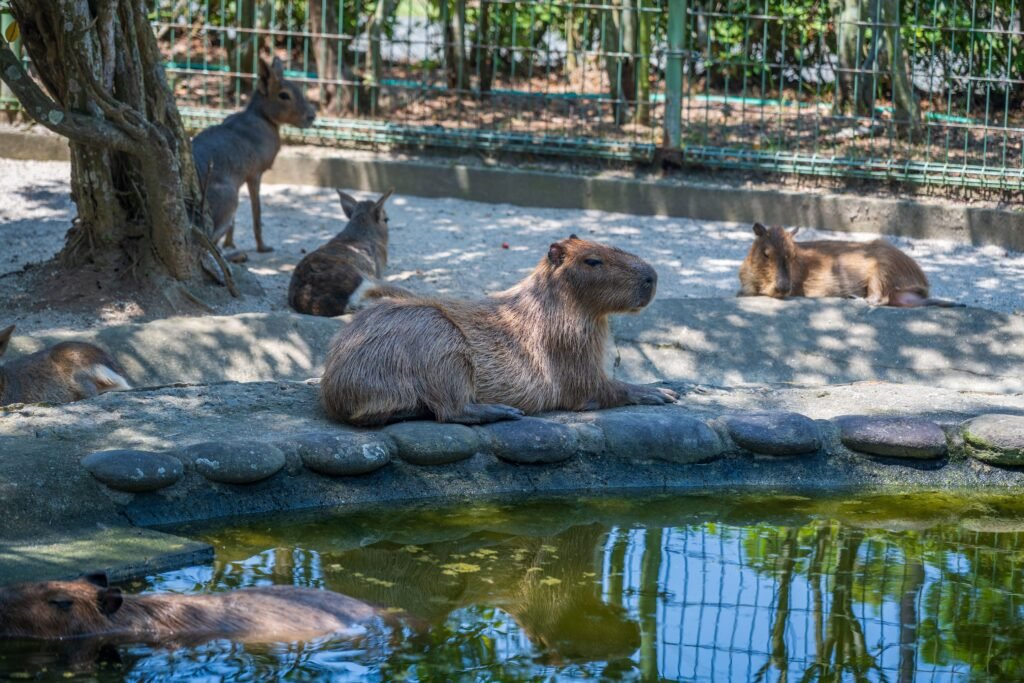
When animal lovers think of South American wildlife, the image of a calm, oversized cavy soaking peacefully in a sunlit stream often comes to mind. Capybaras have won over millions of fans worldwide with their famously chill personalities and social nature. However, behind those charming faces lies a delicate dependence on tropical wetlands that require active conservation.
Organizations like the World Wildlife Fund (WWF) work tirelessly to protect the fragile habitats that these semi-aquatic giants call home. While the species as a whole is not currently endangered, the rainforests and river systems they depend on face growing human pressures. Exploring WWF capybara conservation efforts reveals how saving one charismatic rodent helps preserve entire neotropical ecosystems.
The Role of Capybaras in South American Wetland Ecosystems
Capybaras serve as vital ecological pillars throughout the Amazon basin, the Pantanal, and flooded savannas across South America. As large herbivores, they graze heavily on water plants and native grasses, creating open channels in thick vegetation. This natural lawn-mowing behavior allows smaller aquatic species, waterfowl, and fish to navigate river margins easily.
In addition to shaping plant life, capybaras sit at the heart of the tropical food chain. They provide an essential prey base for iconic apex predators, including jaguars, green anacondas, harpy eagles, and caimans. When capybara populations remain stable and healthy, the entire predator-prey dynamic of the ecosystem stays in balance.
Despite their ecological resilience, these animals cannot survive without vast stretches of clean, connected water sources. According to the Capybara profile by the World Wildlife Fund, preserving vast freshwater networks is essential for maintaining healthy wild herds. You can explore how these animals thrive in natural surroundings by reading the Rainforest Alliance Capybara Profile.
Threat Landscapes: Deforestation, Fire, and Habitat Loss
Although global scientific authorities classify capybaras as a species of Least Concern on the IUCN Red List, localized populations face significant challenges. The primary threat to these gentle rodents is not direct hunting, but rather the rapid destruction of their natural environments. Deforestation for cattle ranching and agriculture cuts through critical river corridors.
When forests are cleared, riverbanks dry up and local water tables drop significantly. Severe drought cycles, compounded by climate change, have triggered massive wildfires in regions like the Brazilian Pantanal. These blazes destroy thousands of acres of wetland habitat, driving capybara herds toward human settlements where conflicts occur.
Water pollution from mining and agricultural runoff poses another serious danger to aquatic wildlife. Because capybaras absorb water through their skin and consume submerged plants, polluted rivers lead to health complications. Understanding these habitat pressures is detailed in the WWF capybara habitat guide, which highlights how water quality impacts biodiversity.
How WWF Works to Protect Capybara Habitats
The strategy behind WWF capybara conservation efforts revolves around holistic landscape preservation rather than focusing solely on a single species. By protecting millions of acres of Amazon rainforest and Pantanal wetlands, conservationists safeguard capybaras alongside thousands of other species. Establishing protected corridors allows herds to migrate safely between feeding grounds during dry seasons.
WWF collaborates closely with indigenous communities and local governments across South America to promote sustainable land management. Teaching eco-friendly farming methods prevents runoff from polluting nearby streams, keeping river ecosystems clean and healthy. These initiatives ensure that economic growth does not come at the expense of vital wildlife sanctuaries.
Conservation groups also monitor water levels and wildlife movement using satellite imagery and field surveys. Tracking wild herds helps researchers identify key corridors that require immediate legal protection from industrial development. To learn more about species biology and habitat needs, check out the comprehensive San Diego Zoo Capybara Overview.
Symbolic Adoptions and the World Wildlife Fund Capybara Kit
One of the most popular ways for animal enthusiasts to support conservation work is through symbolic species adoptions. When supporters sign up for a World Wildlife Fund capybara kit, their tax-deductible donations directly fund global habitat protection initiatives. These symbolic kits often include an adoption certificate, an educational factsheet, and a plush toy.
The funds generated from these adoption programs go toward anti-poaching patrols, habitat restoration projects, and community education in South America. Symbolic adoptions allow capybara fans around the world to take active ownership in protecting wild herds. Check out the official options available through the World Wildlife Fund Capybara Adoption page.
Education plays a massive role in long-term conservation success. By sharing fascinating facts through the Capybara entry on World Wildlife Fund resources, the organization builds global appreciation for South American biodiversity. When people fall in love with these peaceful animals, they become passionate advocates for rainforest protection.
Caring for Capybaras in Domestic and Wild Settings
While wild capybaras roam freely through South American river basins, their viral popularity has created immense interest in domestic care. However, meeting the needs of a semi-aquatic rodent requires incredible dedication, land space, and specialized knowledge. Prospective owners must understand that capybaras require large swimming pools, endless grazing areas, and constant social interaction.
Without appropriate diet and swimming facilities, captive capybaras can develop severe skin conditions, dental complications, and behavioral stress. Responsible animal lovers should always research local exotic pet regulations and care requirements before considering ownership.
Proper nutrition is equally vital for keeping these unique cavies healthy and thriving. They require a fiber-rich diet consisting of fresh grass, specialized hay, and Vitamin C supplements to prevent scurvy.
How You Can Help Protect the World’s Largest Rodent
Protecting the future of South American wetlands does not require you to move to the Amazon rainforest. Small, conscious actions taken in your daily life can contribute directly to global environmental health. Choosing eco-certified wood, paper, and food products reduces consumer demand for deforestation in tropical regions.
Supporting reputable conservation organizations through donations or symbolic adoptions directly funds field research and habitat defense. Spreading accurate, factual information about wildlife conservation across social media helps raise public awareness. Every conversation about protecting rainforests brings us one step closer to securing a safe future for wild herds.
By advocating for sustainable environmental policies, we ensure that capybaras continue to thrive in their natural habitats. Together, wildlife lovers can help preserve the lush rivers, marshes, and forests that make South America so extraordinarily biodiverse.
Join the Herd at Capybara Happiness!
Want to dive deeper into the peaceful world of capybaras? Whether you are looking for in-depth care guides, habitat setup tips, or simply want to stay updated on these amazing giant rodents, we have got you covered. Head over to the Capybara Happiness Website to explore our full library of expert articles, dietary advice, and heartwarming capybara content designed to keep you (and your favorite semi-aquatic friends) smiling every day!