
When people begin searching for all about capybara, they are usually drawn in by the viral videos of these creatures lounging in hot springs with oranges balanced on their heads. However, beneath that stoic and peaceful exterior lies a fascinating biological marvel that has survived for millions of years. This article serves as the ultimate capybara compendium, designed to take you from a casual fan to a true expert on the Hydrochoerus hydrochaeris.
At Capybara Happiness, we are dedicated to providing the most accurate and engaging information regarding these semi-aquatic wonders. Whether you are interested in their prehistoric lineage or their modern-day social structures, this A-to-Z of capybaras will cover everything you need to know. Let’s dive into the marshy world of the animal kingdom’s most famous Ambassador of Chill.
The Biological Profile: More Than Just a Large Rodent
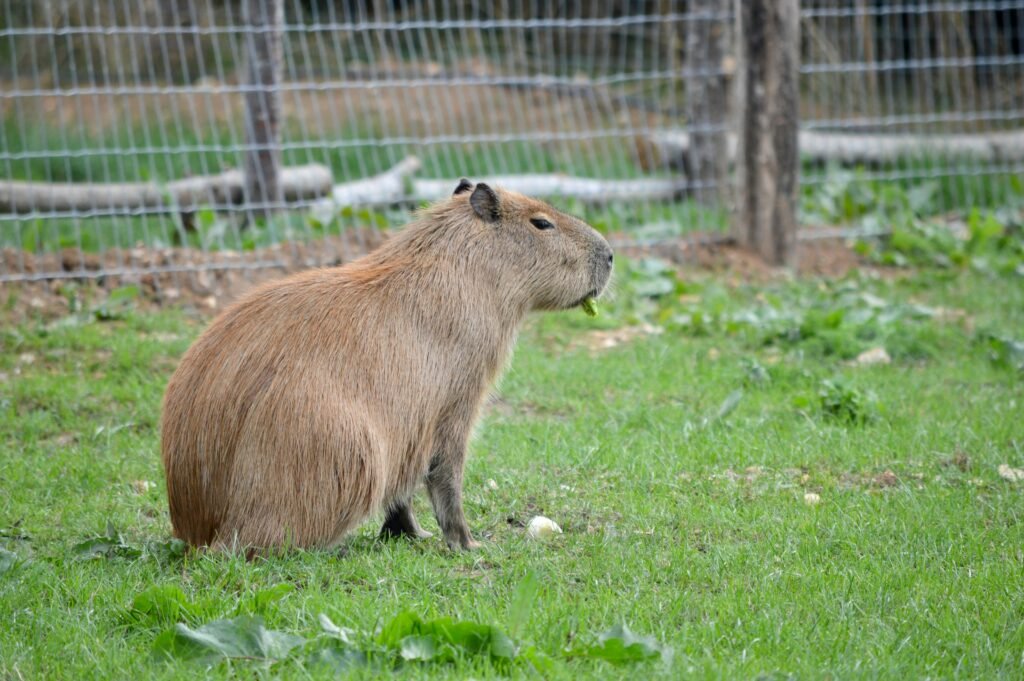
The most obvious fact about the capybara is its size. As the undisputed heavyweight champion of the rodent world, an adult can weigh anywhere from 77 to 150 pounds. This makes a look into the life of the social cavy feel more like studying a small bear or a large dog rather than a typical garden rodent. They are closely related to guinea pigs and rock cavies, sharing the same family, Caviidae.
Their physical build is perfectly adapted for a life spent half-in and half-out of the water. They possess webbed feet, which act as natural paddles for swimming and help them navigate muddy riverbanks without sinking. According to the San Diego Zoo Wildlife Alliance, their eyes, ears, and nostrils are located on the top of their heads. This allows them to remain almost entirely submerged while still being able to see, hear, and breathe.
This specialized anatomy is a core reason why we emphasize the importance of capybara semi-aquatic habitats for those interested in their welfare. Without access to deep water, a capybara’s skin can become dry and cracked, and they lose their primary method of escaping predators. In the wild, they can hold their breath underwater for up to five minutes to hide from jaguars and anacondas.
The Story of the Giant Marsh-Dweller: Habitat and Diet
Capybaras are native to nearly every country in South America, excluding Chile. They are found in dense forests and savannas, but they are never far from a permanent water source, such as a lake, river, or swamp. The story of the giant marsh-dweller is essentially a story of the wetlands, they are a keystone species that helps maintain the health of their ecosystem by managing aquatic vegetation.
As herbivores, their diet consists almost exclusively of grasses and aquatic plants. An adult can consume 6 to 8 pounds of grass in a single day. Interestingly, they are autocoprophagous, meaning they eat their own waste to extract the maximum amount of nutrients from their high-fiber diet. This process, while unappealing to humans, is a highly efficient way to process tough plant matter that other animals might find indigestible.
As noted by the National Geographic, their teeth grow continuously throughout their lives to compensate for the wear and tear of grinding down silica-rich grasses. This is a common trait among rodents, but on a capybara, these incisors are powerful tools that require constant use. This is why we often discuss the need for proper capybara nutrition and chewing materials to keep their dental health in check.
Social Intelligence: Why the World Loves Capys
If you want to know all about capybara behavior, you have to look at their social groups. These are not solitary creatures, they live in herds that typically number between 10 and 20 individuals, though these groups can swell to over 100 during the dry season. The hierarchy is usually led by a dominant male, but the atmosphere within the herd is generally one of peaceful cooperation.
This social nature is what makes them so famously chill. They have a high tolerance for other species, leading to the interspecies friendship photos that have made them internet stars. In the wild, they provide a grooming service for birds that eat parasites off their skin, and they have even been seen allowing monkeys to hitch a ride on their backs.
According to research from the University of London, their communication is equally complex. They use a series of barks, whistles, chirps, and purrs to maintain group cohesion. A sharp bark serves as an alarm call, telling the rest of the herd to dive into the water. This level of vocal complexity is rare among rodents and highlights their high social intelligence.
Reproduction and the Next Generation
A female capybara typically has one litter of four to five pups per year. The gestation period lasts about 130 to 150 days, and the pups are born in a highly developed state, known as precocial. Within hours of being born, capybara pups are on their feet, able to run, swim, and even start nibbling on grass, although they will continue to nurse for several months.
One of the most heartwarming aspects of a look into the life of the social cavy is the concept of communal nurseries. Mothers in a herd will often take turns watching over all the pups in the group. This alloparenting ensures that the young are never left unprotected and allows the mothers time to forage for the calories they need to produce milk.
This communal upbringing is essential for their survival in the wild. With many eyes on the lookout, the pups have a much higher chance of reaching adulthood in environments where caimans and eagles are a constant threat. It also helps the pups learn the social cues and language of the herd from a very early age, ensuring the continuity of the group.
Conservation: Protecting the Giant of the Wetlands
While capybaras are currently listed as a species of Least Concern by the IUCN Red List, they still face significant threats from habitat destruction and water pollution. As human agriculture expands into the South American wetlands, the natural grazing grounds of the capybara are being replaced by soy farms and cattle ranches.
The ultimate capybara compendium wouldn’t be complete without a call to action. Protecting these animals means protecting the wetlands they call home. When we maintain the health of the Amazon and Pantanal regions, we ensure that the Water Pig has a place to swim, graze, and raise their families for generations to come.
Many organizations work tirelessly to preserve these habitats. Supporting groups like the Rainforest Alliance is a great way to contribute to the global effort of keeping South America’s ecosystems vibrant and healthy. As a community of capybara lovers, our collective voice can help advocate for the policies that keep these wetlands wild.
Final Thoughts: Living with Capybara Happiness
Learning all about capybara is a journey into a world of surprising complexity and profound peace. They are more than just a large rodent, they are symbols of social harmony and ecological resilience. Whether you are observing them from a distance in a sanctuary or simply enjoying their presence on your screen, they remind us to slow down and appreciate the simple things, like a good soak and a snack of fresh grass.Thank you for exploring the A-to-Z of capybaras with us at Capybara Happiness. We hope this guide has provided you with a deeper appreciation for the giant of the wetlands and inspired you to become a guardian of their future. Stay chill, stay curious, and always keep spreading the Capy-love!