
If you are a fan of the world’s largest rodent, a trip to see the capybara Chester Zoo residents is likely at the top of your UK bucket list. Chester Zoo is globally renowned for its conservation efforts and world-class habitats, and their South American exhibit is no exception. Here, the capybaras serve as the perfect ambassadors for the wetlands, showcasing their famous chill nature to thousands of visitors every year.
At Capybara Happiness, we are constantly monitoring how these magnificent creatures are cared for in zoological settings. The Chester Zoo capybara group provides a fantastic example of how a semi-aquatic environment can be replicated to encourage natural behaviors. In this article, we will explore the history of capybaras at this iconic zoo, their unique family dynamics, and the vital conservation work that your ticket purchase helps support.
Meeting the Herd: The Stars of the South American Exhibit
The capybara Chester Zoo experience is centered around a lush, meticulously designed habitat that mimics the floodplains of the Amazon. Capybaras are highly social animals, and at Chester, they live in a structured family group that allows visitors to witness their complex social cues firsthand. From the dominant male keeping a watchful eye to the youngsters playing near the water’s edge, the herd is a hive of subtle activity.
According to the official Chester Zoo website, these animals are part of a diverse ecosystem within the zoo that highlights the importance of biodiversity. The capybaras often share their space with other South American species, reflecting the interspecies harmony they are famous for in the wild. This mixed-species approach is a hallmark of modern zoo design, providing mental stimulation for the animals and a more realistic experience for the public.
If you are planning a visit, it is worth noting that the Chester Zoo capybara family is often most active during the early morning or late afternoon. During the heat of the midday sun, you are more likely to find them napping in the shade or partially submerged in their custom-built pool. This behavior is a direct reflection of their wild cousins, who use water to regulate their body temperature and hide from potential predators.
Conservation and Breeding: The Next Generation of Pups
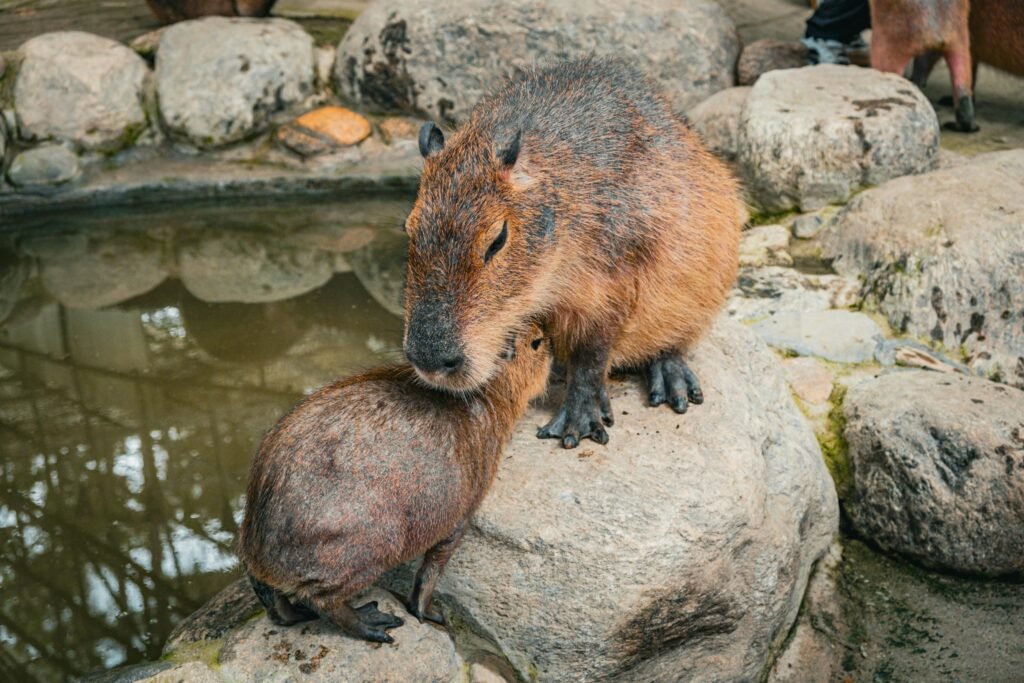
One of the most exciting times to visit the capybara Chester Zoo exhibit is following the birth of new pups. Chester Zoo has a successful history of breeding capybaras, contributing to the global understanding of their reproductive biology. Capybara pups are precocial, meaning they are born almost fully formed and are able to walk and swim within hours of birth.
The birth of pups at the zoo is always a major event, drawing crowds of Capy-fans eager to see the miniature versions of these giant rodents. These births are more than just a cute photo opportunity, they are a vital part of the zoo’s educational mission. By seeing the pups grow and interact with the herd, visitors gain a deeper appreciation for the capybara life cycle and the importance of protecting their native habitats.
According to the IUCN Red List, capybaras are currently listed as a species of Least Concern. However, this status depends heavily on the health of the South American wetlands. Chester Zoo uses its success with the Chester Zoo capybara group to raise awareness about the threats of habitat loss and water pollution that these animals face in the wild, ensuring that their Least Concern status remains unchanged for future generations.
Habitat Design: Recreating the Tropical Wetlands in Cheshire
Replicating a tropical wetland in the middle of Cheshire is no small feat, but the capybara Chester Zoo habitat is a masterclass in zoo architecture. The enclosure features a large, filtered water source that allows the animals to perform deep dives and underwater swims. This is essential for their physical health, as capybaras have a natural drive to spend a significant portion of their day submerged.
The land portion of the exhibit is equally important, providing plenty of space for grazing on high-quality grasses and hay. In the wild, capybaras can consume several pounds of grass in a single day, and their teeth never stop growing to compensate for the wear. The Chester Zoo capybara diet is carefully managed by expert nutritionists to ensure they receive all the vitamins and minerals they need to maintain their sturdy 140-pound frames.
For the colder UK months, the zoo provides a climate-controlled outbuilding where the capybaras can retreat to stay warm. This ensures that even when the British weather is less than tropical, the animals remain comfortable and stress-free. This attention to detail is a core component of the capybara happiness philosophy, emphasizing that a captive animal’s environment must meet its ancestral biological needs.
Education and Interaction: Learning from the Ambassadors of Chill
A visit to see the capybara Chester Zoo residents is an educational journey. Throughout the day, the zoo’s passionate keepers provide talks and demonstrations that debunk common myths about these giant hamsters. Visitors learn about their unique bark, their semi-aquatic adaptations, and their surprising intelligence.
As noted by National Geographic, capybaras are the largest rodents on Earth, and seeing them in person helps people understand the scale of that title. The educational signs around the Chester Zoo capybara exhibit explain how they are a keystone species, meaning their presence in the wild supports the survival of many other plants and animals.
While the zoo does not offer direct petting experiences with the capybaras, as they are wild animals that deserve their own space, the enclosure is designed to provide excellent views. This respectful distance allows the animals to behave naturally while still allowing visitors to feel a connection to the herd. It is this balance of education and animal welfare that makes Chester Zoo one of the best places in the world to see capybaras.
Why Supporting Chester Zoo Matters
When you visit the Capybara Chester Zoo exhibit, your entrance fee goes directly toward the zoo’s mission of Preventing Extinction. Chester Zoo works on conservation projects in over 30 countries, protecting everything from tiny snails to majestic elephants. By supporting the care of the Chester Zoo capybara family, you are also supporting the protection of the wider natural world.
According to the World Wildlife Fund (WWF), the wetlands of South America are some of the most biodiverse places on the planet. The lessons learned from the breeding and behavior of the capybara Chester Zoo group can be applied to conservation strategies in the field. This science-led approach to zoo management ensures that every animal in their care contributes to a larger global goal.
The next time you find yourself in the North of England, make sure to stop by and say hello to the Chester Zoo capybara herd. Whether they are napping in the grass or performing an elegant dive into their pool, they are sure to leave you with a smile and a newfound respect for the world’s most social rodents.
Final Thoughts: The Legacy of the Cheshire Capybaras
The Capybara Chester Zoo experience is a testament to what a modern zoo can achieve. It is a place where science, education, and animal welfare come together to create a brighter future for wildlife. For those of us at Capybara Happiness, seeing these animals thrive in such a high-quality environment is a source of constant inspiration.
We hope this guide has given you all the information you need to plan your own Capy-adventure to Chester. Remember to bring your camera, your curiosity, and a deep respect for the giant of the wetlands. Stay chill, and keep advocating for the happiness of capybaras everywhere!