
The global obsession with capybaras has turned these giant, semi-aquatic South American rodents into internet icons of pure, unfiltered relaxation. From videos of them soaking calmly alongside rubber ducks to pictures of them acting as a cushion for local bird life, their extraordinarily chill demeanor has captivated animal lovers everywhere. If you live in the beautiful islands of Hawaii, watching these clips might have you dreaming of bringing a capybara into your own tropical paradise. However, keeping an exotic, water-loving mammal in an isolated island ecosystem requires evaluating strict biosecurity laws that differ vastly from the mainland United States.
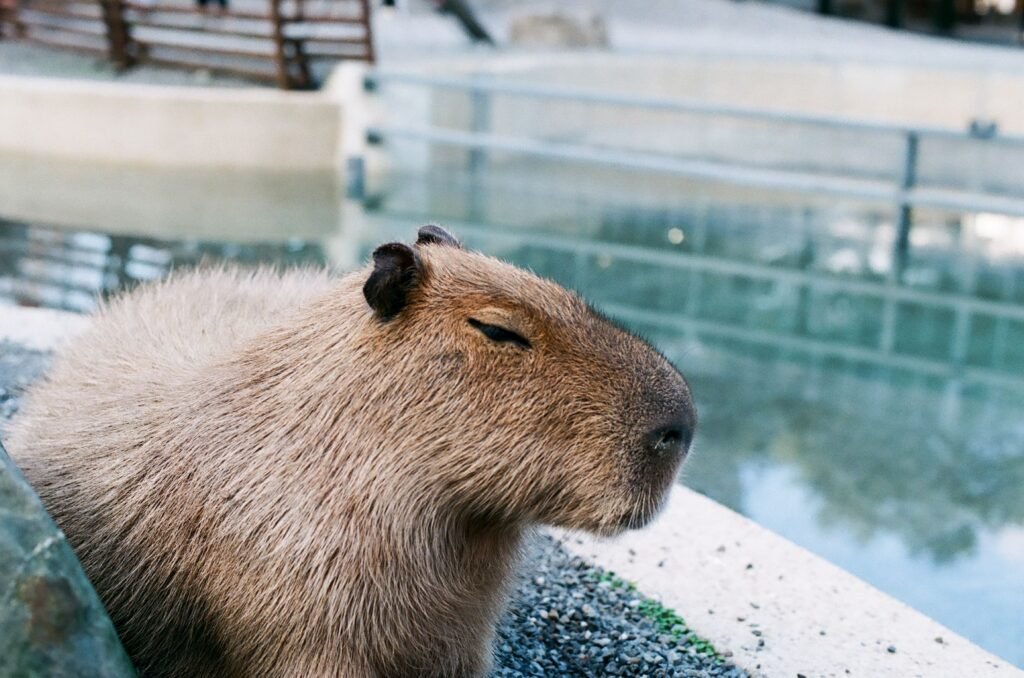
At Capybara Happiness, we are deeply committed to moving past the short internet trends to provide a realistic look at exotic pet care. Hawaii features one of the most unique and fragile environmental landscapes in the world, which means its regulations regarding non-native wildlife are incredibly protective. In this ultimate guide, we will break down Hawaii’s precise legal classifications, the financial realities of exotic ownership, why finding breeders or specialized veterinarians on the islands is a unique challenge, and what individual enthusiasts need to know about the state’s strict environmental protections.
The Strict Reality: Understanding Hawaii’s Exotic Wildlife Bans
When analyzing exotic animal laws across the United States, Hawaii maintains the absolute strictest regulatory framework in the entire country. According to national statutory data tracked by the World Population Review, Hawaii is firmly classified as a state where capybaras are strictly illegal to own as personal pets. The primary regulatory body, the Hawaii Department of Agriculture (HDOA), manages an explicit List of Prohibited Animals designed to protect the islands’ delicate ecosystem from invasive species, disease, and environmental imbalance.
Under Hawaii Administrative Rules (Title 4, Department of Agriculture), non-native rodents, particularly large semi-aquatic species like capybaras, are strictly forbidden for private possession, breeding, or commercial sale. The state categorizes animals into lists ranging from conditionally approved to strictly prohibited. Because capybaras have the potential to establish wild populations, damage local agricultural crops, and disrupt native waterways, they are firmly locked on the prohibited list. This means individual citizens cannot legally import or keep them under any circumstances.
The reasons for these intense regulations are deeply tied to the history of the islands. As outlined by the Hawaii Department of Agriculture, the introduction of non-native animals can have catastrophic consequences on indigenous plants and endangered native wildlife that evolved without natural defenses. Because an escaped pair of capybaras could easily adapt to Hawaii’s warm streams and tropical wetlands, the state proactively blocks their entry to prevent an ecological disaster similar to the mongoose introductions of the past.
The Sourcing and Financial Myth: Price and Breeders
Because Capybara Pet Ownership in Hawaii is entirely illegal for individuals, there are absolutely no legal places to buy a capybara anywhere on the islands. You will not find any USDA-licensed breeders, exotic animal ranches, or pet shops within the state that can legally sell you a giant cavy. Any online advertisement, broker, or classified listing claiming to ship a capybara pup to a residential address in Hawaii is an illegal operation or an outright scam.
For context on the mainland, market data analyzed by A-Z Animals indicates that a healthy, captive-bred capybara pup normally costs between $1,000 and $3,500. Furthermore, because they are obligate herd animals that depend heavily on social structures for psychological health, owners must always budget for at least a pair. Attempting to calculate the total cost of a capybara in Hawaii is a purely hypothetical exercise, as attempting to smuggle one into the state carries severe legal penalties.
Smuggling a prohibited animal into Hawaii is a serious crime that results in heavy fines up to $25,000 and potential jail time under Hawaii State Law. The state actively monitors all incoming air and sea cargo through specialized agricultural inspection stations. The risks are simply too high, both for the human owner and the animal, who would face immediate confiscation, deportation, or euthanasia upon discovery by state agricultural authorities.
The Veterinary Void: Sourcing Care for Prohibited Pets
Even if an individual were to bypass agricultural checkpoints, securing proper medical infrastructure for a capybara in Hawaii is an impossible hurdle. A standard neighborhood veterinarian who treats domestic dogs and cats is completely unequipped to provide medical treatment for a massive, semi-aquatic rodent. Capybaras possess continuously growing hypsodont teeth that require specialized dental floating, and their sensitive digestive tracts can experience fatal reactions to common domestic antibiotics.
Because capybaras are illegal in the state, licensed veterinarians in Hawaii cannot legally treat them without reporting the prohibited animal to state wildlife officials. While institutions like the University of Hawaii System feature world-class marine and agricultural science programs, they do not provide private veterinary infrastructure for illegal exotic mammals. An owner would have no access to the specialized diagnostic tools, prescription diets, or dental surgical tables required to manage a capybara’s health.
This medical isolation highlights why we emphasize the importance of local infrastructure in achieving true capybara happiness. Without access to a network of board-certified exotic veterinarians, keeping a giant cavy healthy over its 10-to-12-year lifespan is a biological impossibility. True animal lovers recognize that withholding proper medical care from an animal is unfair and deeply detrimental to its basic welfare.
Alternative Solutions: Experiencing Capybaras Safely
If you live in Hawaii and are completely under the spell of the world’s largest rodent, do not despair. While you cannot legally keep one in your backyard, you can still experience their gentle magic through legal, ethical wildlife channels. The only facilities in Hawaii permitted to house prohibited exotic wildlife are accredited zoological parks, research institutions, and educational sanctuaries that hold strict, specialized government permits.
The Honolulu Zoo, located on the island of Oahu, operates under high standard biosecurity protocols and has historically provided a home for unique South American mammals. Visiting an accredited zoo allows you to see these magnificent creatures up close, observe their natural herd dynamics, and learn about global conservation efforts without putting the local Hawaiian environment at risk. It is the perfect way to satisfy your curiosity while respecting the delicate balance of the islands.
Additionally, if you travel to the mainland United States, you can book specialized interactive encounters at licensed exotic animal sanctuaries in states where they are legal. Many educational facilities offer guided Capy encounters where you can feed them fresh vegetation, scratch their favorite spots behind their ears, and watch them swim in filtered pools. This allows you to create unforgettable memories with your favorite animals while fully complying with state and federal wildlife conservation laws.
Final Thoughts: Respecting the Island Ecosystem
While the dream of Capybara Pet Ownership in Hawaii is legally impossible for individual owners, the laws are built on a foundation of profound respect for the natural world. Hawaii’s strict biosecurity rules protect the stunning beaches, vibrant streams, and rare native species that make the islands an absolute treasure. By choosing to admire capybaras through accredited zoos, educational blogs, and mainland travel adventures, you are actively participating in the preservation of Hawaii’s unique heritage.Thank you for exploring the critical realities of exotic wildlife regulations with us at Capybara Happiness. By taking the time to deeply research the biological, legal, and environmental needs of the world’s largest rodent, you are proving yourself to be a true advocate for animal welfare and global conservation. Stay informed, stay responsible, and keep celebrating the pure joy of the capybara world from the beautiful shores of Hawaii!