
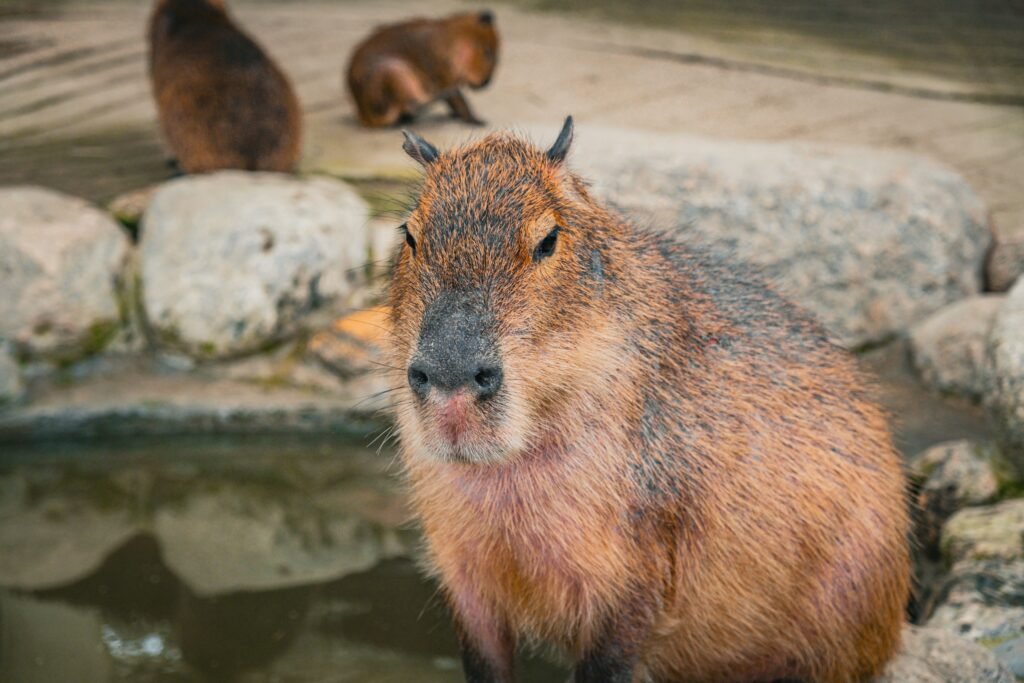
Capybaras have officially taken over the internet with their ultra-chill vibes and friendly dispositions. As the world’s largest rodents, these gentle giants are famous for lounging with alligators and acting as nature’s ultimate diplomats. It is no surprise that animal lovers across the country are wondering if they can bring one home.
If you live in the Ocean State, you might be dreaming of a capybara wading in your backyard pool. However, keeping one of these social semi-aquatic creatures is not as simple as buying a hamster. Before you start looking for a leash, you have to navigate the complex waters of local regulations.
Deciphering Rhode Island Exotic Pet Laws
Under Rhode Island state law, capybaras are classified as exotic wild animals rather than domestic pets. This distinction is critical because it means you cannot simply walk into a store or cross state lines with one. The state has strict safeguards in place to regulate non-native species and prevent ecological or health hazards.
Rhode Island does not outright ban capybaras, but it places them in the Permit Required category. According to the state’s wildlife statutes, you must obtain permission before importing or possessing any exotic rodent. Failing to get this official green light can result in steep fines and the confiscation of your beloved animal.
The RI DEM Permitting Process
The Rhode Island Department of Environmental Management (RI DEM) is the agency responsible for issuing these permits. To legally own a capybara, you must submit a formal application to their Division of Agriculture. You can review the exact criteria on the official Rhode Island Department of Environmental Management possession permit application.
The permitting process is rigorous and requires you to prove you can safely house and care for the animal. You will need to provide a Certificate of Veterinary Inspection (CVI) from an accredited veterinarian in the animal’s state of origin. This health certificate ensures your future pet is free of infectious diseases before crossing into Rhode Island.
Furthermore, you must secure a signed statement from a licensed Rhode Island veterinarian who agrees to provide ongoing medical care. You also have to obtain written clearance from your local municipality’s Animal Control Officer. These detailed state rules are outlined in the wild animal importation laws provided by the Animal Legal & Historical Center.
What Does it Cost to Buy a Capybara?
Navigating the legal paperwork is only the first step of your journey. The financial reality of capybara parenthood is another major factor to consider before committing. These large rodents require a significant financial investment that goes far beyond their initial sticker price.
The Initial Purchase Price
A single capybara puppy typically costs between $1,500 and $4,000 from a reputable, licensed breeder. However, you should never buy just one capybara. These creatures are intensely social herd animals that thrive on companionship, and a solitary capybara will quickly become depressed and stressed.
To keep them emotionally healthy, you must purchase at least a pair, which immediately doubles your starting cost to $3,000 or $8,000. If you are curious about the complete financial breakdown of bringing these animals home, check out the Capybara Happiness cost analysis. This guide helps future owners budget for all the hidden expenses of exotic pet ownership.
Ongoing Costs & Enclosure Needs
Your biggest ongoing expense will be building and maintaining a highly specialized outdoor habitat. Because capybaras are semi-aquatic, they require constant access to a deep, clean, non-chlorinated pool or pond to swim in. This water source must be large enough for them to submerge their entire bodies comfortably.
They also need a secure, escape-proof fenced yard with plenty of fresh grass to graze on. You will need to budget for high-quality orchard grass hay, fresh vegetables, and specialized vitamin C supplements to prevent scurvy.
Where Can You Buy a Capybara in Rhode Island?
Due to the state’s strict environmental regulations, there are no commercial capybara breeders operating within Rhode Island. If your permit is approved, you will have to source your animals from out-of-state breeders. Most reputable breeders are located in more permissive southern states like Texas or Florida.
When searching for a breeder, it is vital to ensure they are fully licensed by the United States Department of Agriculture (USDA). Purchasing from unlicensed backyard breeders is illegal and often supports unethical animal mills. Additionally, buying from an uncertified source makes it virtually impossible to obtain your required RI DEM import permit.
Once you find a certified breeder, you must arrange for professional, climate-controlled transport to bring your capybaras home. This specialized shipping service can easily add another $500 to $1,500 to your total expenses. Always coordinate the delivery date closely with the RI DEM to ensure your quarantine and inspection facilities are ready upon arrival.
Finding a Capybara Vet in Rhode Island
Finding medical care for a 140-pound semi-aquatic rodent is one of the most challenging aspects of ownership in New England. Standard dog and cat clinics simply do not have the equipment or training to treat exotic mammals. You must establish a relationship with a dedicated exotic animal veterinarian before bringing your pets home.
As mentioned earlier, the state of Rhode Island will not approve your permit without a signed letter from a local vet. Some clinics, like the Center for Animal Health, have specialists who treat unique pocket pets and exotic mammals. You can review how Rhode Island’s veterinary requirements fit into the national landscape on the FindLaw Exotic Animal Laws by State database.
Do not wait until your capybara is sick to start calling local veterinary offices. Exotic clinics often have long waiting lists and may charge premium rates for emergency visits. Having a trusted vet lined up gives you peace of mind and ensures your animals live long, healthy lives.
Keeping Your Capybara Happy and Healthy
Living in Rhode Island means your tropical South American pets will have to face chilly, snowy New England winters. Capybaras are highly sensitive to frostbite and hypothermia because they lack thick undercoats. Consequently, you must provide a fully insulated, heated indoor shelter or barn for the colder months.
During the winter, their ambient living space must be kept at a steady temperature above 45 degrees Fahrenheit. You will also need a system to heat their swimming water or bring them indoors to bathe in a warm tub. If you are willing to tackle the permits, the financial costs, and winter prep, capybaras can make incredibly rewarding companions.
Final Thoughts: Big Dreams in the Ocean State
Keeping the world’s largest rodent in our nation’s smallest state is a unique challenge that relies heavily on strict local compliance and creative space management. Rhode Island’s dense coastal communities mean zoning, neighbor relations, and municipal ordinances are your biggest hurdles, alongside the state’s detailed exotic possession permit process. However, if you have the proper acreage, a secure enclosure, and a dedicated exotic vet on call, your home will become a truly special sanctuary.
Thank you for exploring the realities of responsible exotic animal care with us at Capybara Happiness. By taking the time to educate yourself on the unique biological needs of the world’s largest rodent, you are paving the way for a successful, lifelong partnership with nature’s most peaceful creatures. Stay informed, stay prepared, and keep celebrating the joy of the capybara lifestyle!