
The internet’s love affair with the capybara shows no signs of slowing down. These giant South American rodents have won millions of hearts worldwide with their impossibly calm demeanors and natural ability to get along with every other animal species. If you live in the Silver State, you might look out at your sunny backyard and wonder if you could share it with a pair of these peaceful creatures.
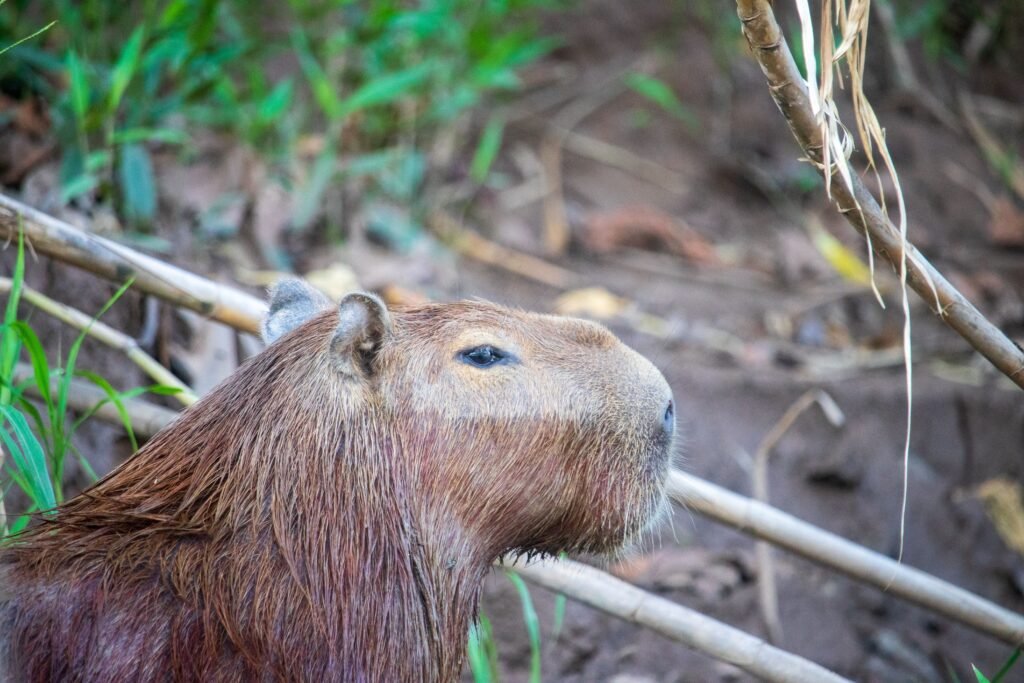
Nevada is famous for having some of the most permissive and unique wildlife regulations in the United States, but keeping the world’s largest rodent requires substantial preparation. Before you run out to buy a set of water toys, you need to understand the realities of non-traditional pet management in the desert. Here are 5 essential things future owners must know about owning a capybara in Nevada.
1. Navigating the Legality of Capybara Pet Ownership in Nevada
When it comes to exotic animal laws, Nevada occupies an interesting position compared to more restrictive states. According to data tracked by the World Population Review, Nevada is generally classified as a state where capybaras are legal but may require a permit depending on local enforcement. At the state level, the Nevada Department of Wildlife (NDOW) regulates wildlife under the Nevada Administrative Code (NAC).
Under the specific provisions of NAC 503.110, the state explicitly prohibits certain invasive or dangerous species like piranhas, coyotes, and mongooses. Capybaras (Hydrochoerus hydrochaeris) are not on this statewide prohibited list, which gives them a legal green light at the state level. However, this does not mean you can simply bring one home without checking your county and city zoning laws.
Local municipalities in Nevada hold immense power to override state allowances. For example, if you reside within Clark County or the city limits of Las Vegas, local ordinances are incredibly strict regarding wild or non-domesticated mammals. Conversely, rural counties often have highly permissive rules that mirror state guidelines. To avoid severe legal penalties, you must check with your local animal control agency to see if they require an exotic animal use permit or restrict ownership entirely.
2. Financed Capybara Ownership: The True Cost of Admission
Capybaras are premium exotic animals, and bringing them into your life demands a massive financial commitment. Market data shows that a single, captive-born capybara pup typically costs between $1,500 and $4,000 from a reputable seller. If you are looking for an established adult breeding pair, the purchase price can easily soar beyond $8,000.
However, looking at the price tag of a single animal is a massive mistake. As explained by WebMD’s pet care analysis, capybaras are obligate herd animals that depend heavily on complex social structures for emotional survival. Keeping a single capybara in isolation will cause it to suffer from profound separation anxiety, leading to severe behavioral issues and a compromised immune system.
Because of this biological necessity, you must plan on adopting at least a pair of animals to maintain long-term capybara happiness. When you combine the purchase prices of multiple animals with the expenses of constructing a secure, semi-aquatic habitat, your initial startup costs will easily range from $8,000 to $15,000. True advocates for the capybara lifestyle understand that saving money by keeping an animal alone is never an option.
3. Sourcing Your Herd from USDA-Licensed Breeders
Because capybaras are highly specialized exotic animals, you will never find them at traditional neighborhood pet stores or local animal shelters. To acquire an animal legally, you must locate a professional breeder who is strictly licensed by the United States Department of Agriculture (USDA).
Nevada does not host large-scale, commercial capybara breeding ranches due to its arid environment. As a result, legal keepers in the Silver State almost always source their animals from out-of-state breeders located in more humid regions like Texas. When purchasing from an out-of-state breeder, you must ensure they provide a valid veterinary health certificate for transport across state lines.
Working with an un-licensed seller or attempting to import a wild-caught animal is highly illegal and dangerous. USDA-licensed breeders ensure that your pups are captive-born, hand-raised, and properly socialized to interact safely with humans. Taking the time to verify a breeder’s credentials is a non-negotiable step in ensuring a healthy start for your new companions.
4. Engineering an Enclosure for the Nevada Desert Climate
Replicating a tropical South American wetland environment within the arid, intense climate of Nevada requires serious engineering. During the scorching summer months, an outdoor enclosure must provide a massive amount of reliable shade to protect your animals from heatstroke.
The most critical component of your habitat setup is a deep, filtered pool or pond. Capybaras must be able to submerge themselves completely to regulate their body temperature, hydrate their sensitive skin, and defecate naturally. Because Nevada summers are incredibly hot, keeping this water clean and properly filtered requires heavy-duty equipment that can withstand constant use.
Additionally, you must secure the perimeter with a sturdy 4-to-5-foot fence equipped with an underground barrier to prevent these strong rodents from digging out. While desert summers are great for basking, winter nights in Northern Nevada and the high desert can drop well below freezing. You must provide an insulated, climate-controlled outbuilding equipped with safe radiant heaters to ensure they stay warm and safe when temperatures plunge. For detailed plans on building a desert-proof enclosure, explore the Capybara Happiness habitat guide.
5. Finding Specialized Exotic Veterinary Care in the Silver State
Before your capybaras ever arrive at your property, you must secure a relationship with an exotic animal veterinarian who is willing and equipped to treat them. Standard neighborhood veterinarians who treat cats and dogs are not trained or insured to manage a 140-pound semi-aquatic rodent.
Capybaras possess continuously growing teeth that require specialized dental floating tools to prevent painful misalignments. They also have highly complex digestive tracts that can react fatally to common domestic medications and antibiotics. Finding an expert who understands these unique physiological traits is essential for their survival.
While major urban centers like Las Vegas and Reno host advanced exotic specialty clinics, you may have to travel a significant distance if you live in rural Nevada. Regular wellness check-ups are vital to monitor their weight, evaluate continuous tooth wear, and verify they remain parasite-free. Ensure your exotic vet is fully prepared to take on patients of this scale before making any purchasing decisions.
Final Thoughts on Nevada Wildlife Compliance
Stepping into the world of exotic animal management requires putting animal welfare far above personal desires. While the dream of sharing a Nevada backyard with a giant, friendly rodent is a popular internet fantasy, the reality demands massive financial investments, strict legal checking, and intensive habitat engineering. By respecting local zoning codes and honoring the complex social needs of these gentle giants, you can prove yourself to be a truly dedicated and responsible caretaker.
Thank you for exploring the realities of responsible exotic animal care with us at Capybara Happiness. By taking the time to educate yourself on the unique biological needs of the world’s largest rodent, you are paving the way for a successful, lifelong partnership with nature’s most peaceful creatures. Stay informed, stay prepared, and keep celebrating the joy of the capybara lifestyle!