
The global obsession with capybaras has turned these giant, semi-aquatic South American rodents into internet icons of pure, unfiltered relaxation. From viral clips of them soaking calmly in outdoor stock tanks to pictures of them acting as a natural sofa for local birds, their extraordinarily chill demeanor has captivated animal lovers everywhere. If you live in the beautiful Old Line State of Maryland, watching these videos might have you dreaming of bringing a pair of capybaras into your own backyard. However, turning this internet fantasy into a reality requires navigating a complex environment of state agricultural codes, heavy financial investments, and highly restrictive local zoning ordinances.
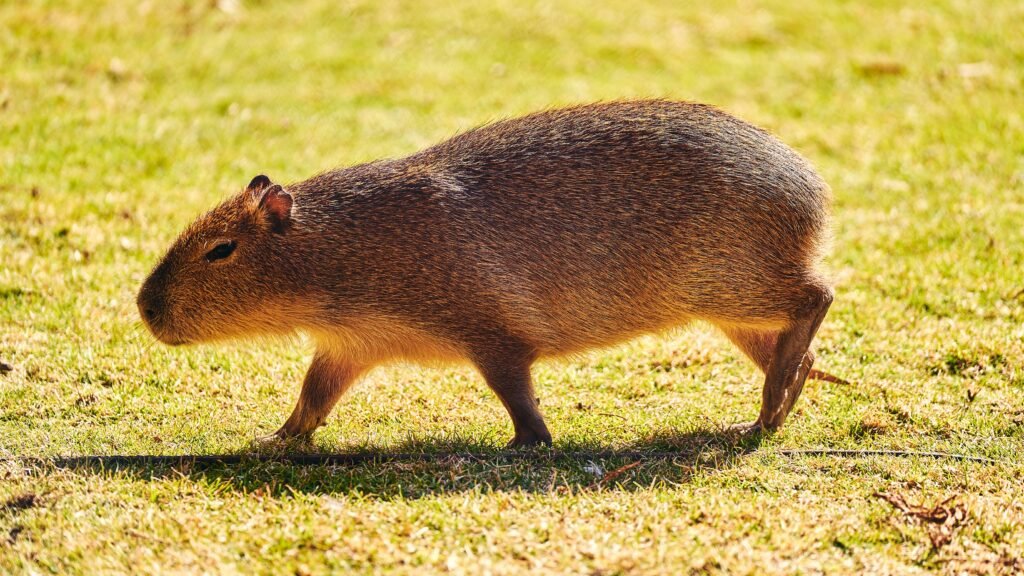
At Capybara Happiness, we love celebrating the pure joy of the capybara lifestyle, but we are also deeply committed to promoting responsible animal welfare. Maryland features a unique regulatory environment that requires careful planning before you can legally bring an exotic pet home. In this ultimate guide, we will break down Maryland’s exact state-level classifications for exotic mammals, the importance of municipal restrictions, the financial realities of purchasing a herd, and how to navigate regional veterinary care.
The Legal Landscape: Is it Legal to Own a Capybara in Maryland?
When analyzing exotic animal regulations across the United States, individual state frameworks vary from completely open to outright restrictive. According to national statutory data tracked by the World Population Review, some regions allow these large rodents with a basic permit, while others ban them completely. In the state of Maryland, the rules governing non-native wildlife are surprisingly permissive at the state level, but they require a strict understanding of what the law does and does not allow.
Maryland maintains an explicit list of dangerous wild animals that are completely banned from private possession, import, or breeding. As detailed by state criminal statutes compiled on the Animal Legal & Historical Center platform, this prohibited list includes foxes, skunks, raccoons, bears, caimans, alligators, wild cats, wolves, nonhuman primates, and venomous snakes. Fortunately, the capybara (Hydrochoerus hydrochaeris) is not included anywhere on this banned list.
Because capybaras are classified as exotic rodents rather than dangerous predators, state-level law does not actively prohibit you from owning them. Property management insights from the Bay Management Group confirm that capybaras are technically legal to own under Maryland state guidelines. However, the state does require that any imported live wildlife be obtained legally from USDA-licensed breeders and accompanied by proper health certificates.
State vs. Municipal Rules: The Local Ordinance Trap
While discovering that Maryland state law provides a legal path is exciting news, prospective owners must immediately confront a much larger legal hurdle. The state explicitly allows individual counties, cities, and local townships to enforce their own independent, highly restrictive exotic pet prohibitions. This means that while your state-level standing might theoretically be clear, your specific city or county commission may completely outlaw capybaras.
Municipal zoning boards routinely pass sweeping ordinances that outlaw any non-traditional, non-domesticated mammals within their jurisdictions. For example, larger urban centers and heavily populated counties like Baltimore County, Montgomery County, and Prince George’s County maintain strict local codes regarding exotic wildlife. In many of these areas, local animal control laws classify any giant rodent or wild mammalian species as a public nuisance or an illegal pet.
If you reside within an incorporated town or a strictly zoned suburban neighborhood, municipal codes will almost always override state-level permissions. Therefore, before sending any deposits to an out-of-state breeder, you must perform exhaustive local research. You must directly contact your local county animal control office or town zoning board to request a complete copy of their specific companion animal ordinances. If your local municipality maintains a blanket ban on exotic wildlife, keeping a capybara on your property remains completely illegal regardless of the open stance of the state code.
Financial Commitments: Price of Buying a Capybara
If you live in a rural area of Maryland with highly permissive zoning rules, you must prepare for a significant financial investment. Capybaras are premium exotic animals that carry significant upfront price tags from specialized, licensed sellers. Market data indicates that a healthy, captive-born capybara pup typically costs between $1,500 and $4,000, while established adult breeding pairs can easily exceed $8,000 depending on lineage.
However, attempting to buy a single capybara is a severe mistake that conflicts directly with their basic biology. Capybaras are obligate herd animals that depend heavily on complex social structures for emotional survival and psychological safety. A single capybara kept in complete isolation will inevitably suffer from profound separation anxiety, resulting in chronic stress, destructive behavior, and a compromised immune system.
Because of this intense social dependency, planning for at least a pair of animals is a non-negotiable step when calculating the total cost of a capybara. Once you combine the purchase prices with the expenses of constructing a high-quality semi-aquatic habitat, your initial startup costs will easily range from $8,000 to $12,000. Ensuring your household budget can support a true herd environment is essential to maintaining long-term capybara happiness.
Habitat Requirements and Veterinary Care in the Old Line State
The climate of Maryland poses distinct environmental challenges that require extensive habitat modifications for a South American rainforest species. Capybaras are highly vulnerable to frostbite and severe respiratory infections when exposed to freezing mid-Atlantic winters. While they will thoroughly enjoy Maryland’s humid summers, you must provide a fully winterized, heated shelter for the colder months.
Your backyard setup must feature a deep swimming pool or pond equipped with an advanced water filtration system, as capybaras naturally defecate in water. During freezing winter months, you must provide an insulated indoor enclosure outfitted with safe ceramic heat emitters or heavy-duty radiant heat panels to keep their ambient environment above 65 degrees Fahrenheit. Without proper climate regulation, these sensitive animals can suffer from severe frostbite on their webbed feet and ears.
Once your animals arrive, securing specialized medical care becomes your next major operational hurdle. Standard neighborhood veterinarians who treat cats and dogs are not trained, equipped, or insured to handle a 140-pound wild rodent. Capybaras possess continuously growing teeth that require specialized dental floating tools, and their sensitive, complex digestive tracts react poorly to common domestic animal medications.
Fortunately, because Maryland is home to top-tier veterinary institutions, finding a qualified specialist is possible if you plan ahead. Practices specializing in avian and exotic medicine can be found near major metropolitan hubs like Baltimore, Annapolis, and Silver Spring. A legal keeper must ensure an exotic vet is fully prepared to take on patients of this size before any animals arrive. Regular wellness check-ups are vital to monitor their weight, evaluate continuous tooth wear, and verify they remain healthy.
Final Thoughts on Maryland Wildlife Compliance
Stepping into the world of exotic animal management requires putting ecological safety and animal welfare far above our personal desires. While the dream of sharing a Maryland property with a giant, friendly rodent is a popular trend, the reality involves meticulous legal validation at both the state and city level. Thank you for exploring the realities of responsible exotic animal care with us at Capybara Happiness. By taking the time to educate yourself on the unique biological needs of the world’s largest rodent, you are paving the way for a successful, lifelong partnership with nature’s most peaceful creatures. Stay informed, stay prepared, and keep celebrating the joy of the capybara lifestyle!