
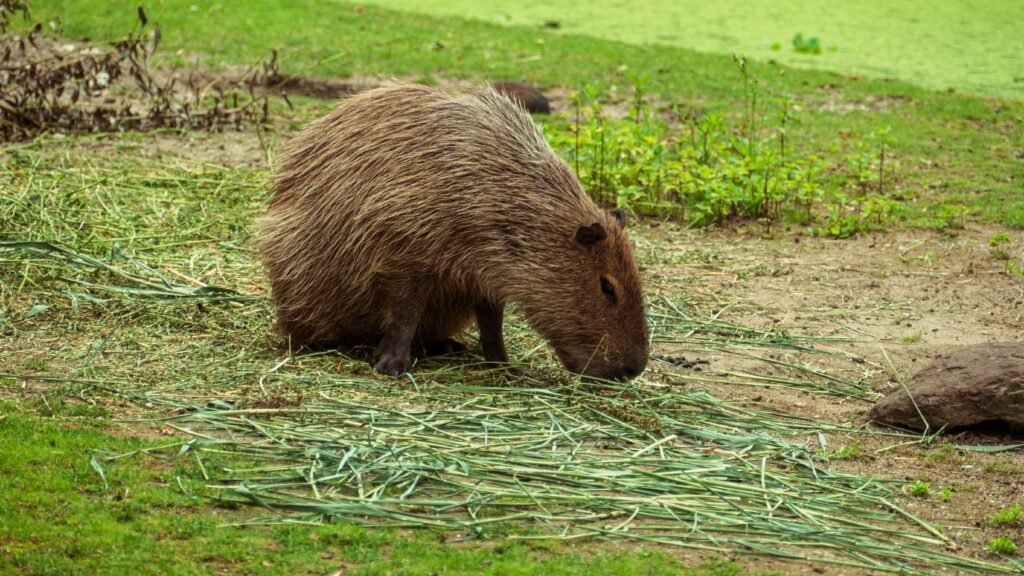
Capybaras are the ultimate internet sensations, beloved worldwide for their incredibly calm demeanor and natural charisma. These giant South American rodents are famous for befriending everything from birds to crocodiles, making them seem like the perfect backyard companions. If you reside in the Pacific Northwest, you might find yourself dreaming of a duo of these adorable creatures enjoying the lush, green grass of your yard.
However, transitioning from watching viral videos to actual Capybara Pet Ownership in Washington is not a simple path. While Washington State is known for its beautiful, diverse landscapes, it also enforces rigorous guidelines regarding non-traditional pets. Before you start planning an expensive outdoor pool or browsing breeder sites, you must understand the complex network of state, department, and local municipal laws.
Decoding Washington’s Exotic Pet Laws
The primary legal framework governing exotic animals in the state is found under the Washington State Legislature Chapter 16.30 RCW. This statute explicitly prohibits private individuals from owning, breeding, or possessing potentially dangerous wild animals. This banned list covers a wide variety of species, including large wild cats, wolves, bears, and non-human primates.
Fortunately for rodent lovers, capybaras are not listed as potentially dangerous wild animals under this state law. Since they belong to the order Rodentia and are generally non-aggressive, they are legal to keep at the state level without an outright ban.
Even though they are legal at the state level, importing a capybara into Washington involves strict biological safeguards. The Washington State Department of Agriculture (WSDA) mandates that all exotic and wild animals entering the state must have proper credentials. You will need to secure a Certificate of Veterinary Inspection (CVI) and a valid entry permit before your pet can cross the state line.
These requirements ensure that the animals are completely free of contagious diseases and do not pose a biosecurity threat to local agriculture. Your USDA-licensed breeder’s veterinarian must inspect the animal and call the WSDA to obtain the entry permit. Failing to secure these papers before transporting your capybaras can result in heavy fines, quarantine costs, or even confiscation.
The Municipal Hurdle: Local City and County Zoning
Securing a nod of approval from the state is only half the battle when it comes to Capybara Pet Ownership in Washington. Under state law, individual cities, counties, and municipal districts have the authority to establish their own animal control ordinances. Many urban and suburban municipal codes in Washington are far stricter than the state’s baseline regulations.
For instance, large cities like Seattle, Spokane, and Tacoma enforce local codes that strictly ban the keeping of exotic, wild, or non-domesticated mammals in residential zones. In these densely populated areas, animal control departments often classify capybaras as prohibited wild animals. If you live within these city limits, keeping a giant rodent in your suburban backyard could lead to immediate code violations and forced rehoming.
On the other hand, rural counties and properties zoned for agricultural use are generally much more accommodating. Counties like Yakima, Stevens, or unincorporated areas in Pierce and King counties may allow you to keep capybaras, provided you have sufficient acreage. Always contact your local city hall or county planning office to verify their zoning laws and check for any strict Homeowners Association (HOA) rules before moving forward.
You can learn more about how regional laws vary across different jurisdictions by reviewing FindLaw’s Exotic Animal Laws by State Guide. Understanding these local codes is the best way to protect your financial investment and keep your future pets safe.
Where to Buy a Capybara and What It Costs
If you have confirmed that your property is completely compliant with all local zoning laws, you can begin searching for your capybaras. Because Washington State does not have any commercial, USDA-licensed capybara breeders, you will have to look out of state. Most reputable, legal breeders are located in warmer climates like Texas, Florida, or Indiana.
You must only purchase from a breeder who is fully registered and licensed with the United States Department of Agriculture (USDA). A reputable breeder will provide healthy, hand-raised babies that are already socialized with humans. They will also happily provide the veterinary health certifications required to secure your WSDA entry permit.
The financial cost of acquiring a capybara is substantial. A single, captive-bred capybara puppy typically costs between $1,500 and $3,500. However, capybaras are highly social herd animals that thrive on constant companionship, meaning you must never raise one in isolation. A solitary capybara will quickly suffer from intense loneliness, anxiety, and severe depression.
Because of their social needs, you must plan to buy at least a pair of capybaras, bringing your initial purchase price to $3,000 to $7,000. To plan your budget thoroughly, take a look at the comprehensive Capybara Happiness cost breakdown. This detailed guide covers all the hidden startup costs, shipping fees, and unexpected expenses of exotic pet ownership.
Designing the Ultimate Pacific Northwest Habitat
Bringing a tropical species to the Pacific Northwest requires a well-thought-out environmental design. Capybaras are native to the warm, humid wetlands of South America, which means Washington’s climate requires some major habitat adjustments. Western Washington’s famous rainy weather and Eastern Washington’s freezing winter snows both present unique challenges.
During the cold winter months, you must provide a fully insulated, heated shelter or barn for your capybaras. This indoor space should be kept at a steady temperature of at least 65 to 70 degrees Fahrenheit to prevent hypothermia or frostbite. They lack thick fur undercoats, making them highly sensitive to freezing temperatures and damp drafts.
In addition to warmth, your yard must feature a secure enclosure and a deep water source. Capybaras are semi-aquatic and require a clean pool or pond where they can submerge completely to swim, play, and naturally hydrate their skin. You will need a heavy-duty commercial filtration system to keep this water clean, as capybaras prefer to do their business while bathing.
Your outdoor yard must be secured with a strong, five-foot-tall fence that is anchored slightly below the ground. Capybaras are agile diggers and can easily push under loose fencing if they get startled by local wildlife.
Dietary and Veterinary Care in Washington
Providing a proper diet is critical to the long-term health of your giant rodents. Capybaras are strict herbivores, and their digestive systems are built to process immense amounts of fiber. Their daily food must consist of unlimited fresh grass or high-quality orchard grass hay, supplemented with specialized pellets.
Like guinea pigs, capybaras cannot naturally produce Vitamin C, making daily supplementation a necessity to prevent scurvy. You can also offer fresh vegetables like romaine lettuce, broccoli, and yams as healthy treats. However, you must strictly avoid feeding them sweet fruits, which can disrupt their sensitive stomach flora and cause fatal digestive issues.
Finding proper medical care is another critical step you must take before your capybaras arrive. Standard veterinary clinics do not have the specialized tools, facilities, or training required to treat a 140-pound exotic mammal. You must establish a relationship with a dedicated exotic animal veterinarian who is comfortable working with large rodents.
In Washington, major specialty clinics like the Avian and Exotic Animal Clinic of Seattle or similar regional referral hospitals are excellent resources. Always call these veterinary offices ahead of time to confirm they are accepting new exotic patients. Having an established vet guarantees that you can quickly get professional help in the event of an unexpected medical emergency.
Is a Pet Capybara Right for You?
Owning a pet capybara in Washington is a highly rewarding experience, but it requires massive dedication and resources. If you have the land, the financial means, and the patience to navigate the legal permits, these gentle giants can make spectacular lifelong companions. Make sure to do your research, prepare your heated winter barn, and always put the physical and social well-being of these wonderful animals first!
Final Thoughts: Is the Pacific Northwest Dream Worth It?
While Washington’s lush green grass and natural moisture might seem like a capybara’s dream, the physical and legal hurdles of ownership here are incredibly high. The contrast between our rainy, freezing winter months and their tropical native habitat means you will spend a lot of time, energy, and money keeping your pets safe and warm. But for those rare, dedicated owners with agricultural zoning, deep pockets, and a heated barn, the effort pays off. Providing a happy, cozy home for a pair of these giant, peaceful rodents is a life-changing adventure that few other pet owners will ever get to experience.
Thank you for exploring the realities of responsible exotic animal care with us at Capybara Happiness. By taking the time to educate yourself on the unique biological needs of the world’s largest rodent, you are paving the way for a successful, lifelong partnership with nature’s most peaceful creatures. Stay informed, stay prepared, and keep celebrating the joy of the capybara lifestyle!