
If you have spent any time on social media lately, you have likely seen the surreal and charming footage of a 140-pound rodent calmly gazing out of a SUV window. These viral moments of a capybara in car have sparked a massive wave of curiosity about how one actually moves the world’s largest rodent from point A to point B. Whether it is a trip to a specialized veterinarian or a relocation to a new sanctuary, transporting these semi-aquatic giants is a task that requires precision, patience, and a deep understanding of their unique biology.
At Capybara Happiness, we believe that every rodent road-tripper deserves a first-class experience that prioritizes their physical and mental well-being. Moving a capybara isn’t as simple as whistling for a dog to jump into the backseat, it involves navigating legal regulations, managing thermal limits, and ensuring structural safety. In this guide, we will dive into the essential protocols for exotic animal vehicle safety to ensure your water pig arrives at its destination in a state of total zen.
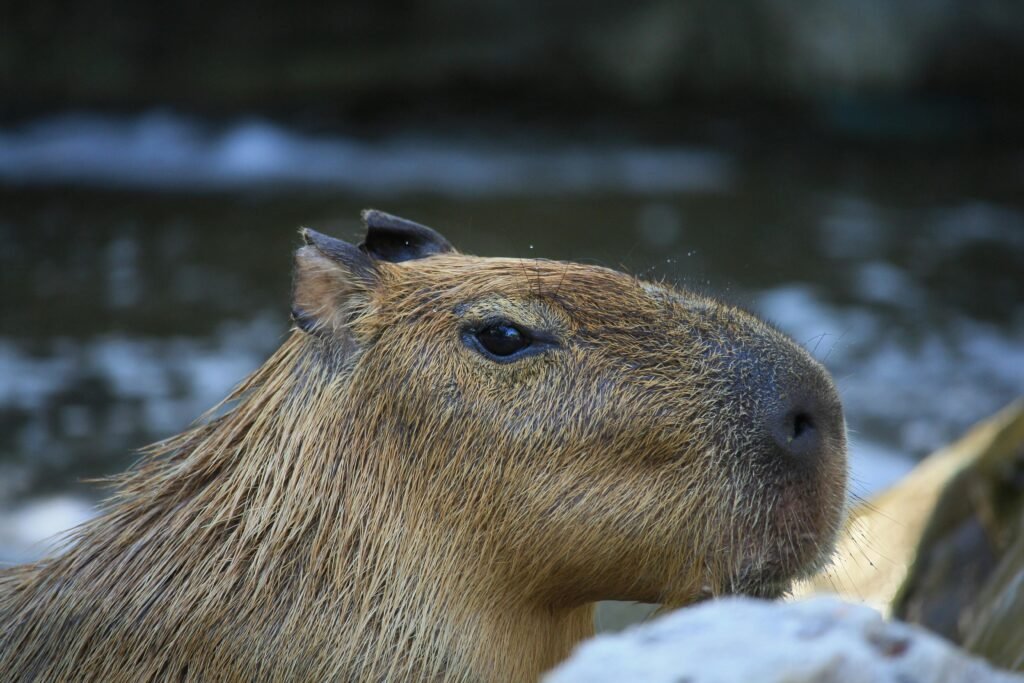
The Logistics of the Passenger-Seat Pal
The sight of a passenger-seat pal riding shotgun might make for a great photo, but from a safety perspective, it is rarely the best approach. Capybaras are heavy, powerful animals with smooth, padded feet designed for marshy ground, not slippery leather or fabric car seats. Without proper containment, a sudden stop can turn a peaceful commute into a dangerous situation for both the human driver and the animal.
When transporting a large rodent, the gold standard is a heavy-duty, reinforced travel crate. This crate should be large enough for the animal to stand up, turn around, and lie down comfortably, but not so large that they slide around during turns. Many owners utilize custom-built wooden crates or modified extra-large dog kennels that have been reinforced to handle the weight and strength of a fully grown adult.
Proper placement within the vehicle is also key to exotic animal vehicle safety. The crate should be secured using tie-down straps to prevent shifting. According to The Spruce Pets, capybaras can become easily stressed by the vibrations and noises of the road, so placing the crate in a well-ventilated area away from direct engine heat is a fundamental requirement for a successful journey.
Thermal Regulation: Keeping the Commuting Cavy Cool
One of the most critical aspects of capy-pooling is temperature management. Capybaras are semi-aquatic mammals that rely heavily on water to regulate their body temperature. In a closed vehicle, even with the windows down, temperatures can rise to dangerous levels faster than most people realize. Because capybaras do not sweat effectively, they are highly susceptible to heatstroke.
A rodent road-tripper requires a climate-controlled environment at all times. The air conditioning should be kept at a consistent, cool temperature, and direct sunlight hitting the animal through the windows should be blocked with sunshades. For longer trips, it is often necessary to provide damp towels or a shallow tray of water inside the crate to help the animal stay hydrated and cool through evaporative cooling.
According to the San Diego Zoo Wildlife Alliance, these animals spend the hottest parts of the day submerged in water in the wild. When we take them out of that environment for transport, we must mimic that cooling effect as closely as possible. Failure to maintain a cool environment can lead to respiratory distress and a significant decline in the animal’s overall happiness.
Legal Requirements and Roadside Ethics
Before you embark on a trip with a capybara in a car, you must ensure that you are fully compliant with local and federal laws. Exotic animal transportation is heavily regulated, and moving a capybara across state lines often requires specific health certificates and permits. These documents prove that the animal is free of contagious diseases and is being moved for legitimate reasons, such as veterinary care or permanent relocation.
It is also important to consider the public side of exotic animal vehicle safety. While people will naturally be curious about the giant rodent in the next lane, maintaining a low profile is often better for the animal’s stress levels. Frequent stops are necessary for long hauls, but these should be done in quiet, shaded areas where the animal isn’t swamped by crowds of onlookers.
Research from the Natural History Museum emphasizes that capybaras are prey animals by nature. While they may appear calm, they are constantly scanning their environment for threats. A crowded gas station parking lot can feel like a gauntlet of predators to a capybara, so keeping their travel environment predictable and quiet is an essential part of being a responsible guardian of the giant rodent.
Hydration and Nutrition on the Go
A rodent road-tripper needs to stay fueled, but their digestive system is highly specialized. Capybaras are autocoprophagous, meaning they re-ingest their own waste to extract maximum nutrients from their high-fiber diet. Disrupting their feeding schedule or introducing strange foods during transport can lead to gastrointestinal upset, which can be life-threatening for a rodent.
For short trips to the vet, it is usually best to avoid feeding immediately before departure to prevent motion sickness. However, for longer hauls, plenty of fresh hay and leafy greens should be available. Water is non-negotiable, a spill-proof water bowl or a large-capacity drip bottle must be provided to ensure the animal can drink whenever they feel the need.
As noted by National Geographic, capybaras have teeth that grow continuously and need to be worn down by constant chewing. Providing safe wooden blocks or plenty of tough grasses during the trip can help keep them occupied and prevent them from chewing on their transport crate. This mental stimulation is a key factor in reducing the anxiety associated with being a passenger-seat pal.
Post-Transport Recovery: Returning to Zen
Once you arrive at your destination, the work isn’t over. Transitioning a capybara in a car back to their regular habitat requires a gradual approach. The animal should be allowed to exit the crate at their own pace and should immediately have access to a clean, quiet body of water where they can rehydrate and settle their nerves.
Observe the animal closely for several hours after transport. Look for signs of normal behavior, such as grazing and vocalizing with their herd mates. If the animal remains lethargic or refuses to eat, a consultation with an exotic animal veterinarian is necessary. Moving a 140-pound mammal is a significant event, and even the most seasoned rodent road-tripper needs time to recalibrate.
At Capybara Happiness, we believe that the journey should be as peaceful as the destination. By following strict exotic animal vehicle safety protocols, we can ensure that these incredible creatures continue to travel safely, whether they are heading to a new home or just visiting the doctor for a check-up.
Final Thoughts: The Responsibility of the Ride
The image of a capybara in a car will likely remain a favorite of the internet for years to come, but as enthusiasts, we must look deeper. Transporting a large rodent is a massive responsibility that demands respect for the animal’s physical limits and emotional needs. It is about more than just a viral video, it is about the stewardship of one of nature’s most gentle giants.Thank you for joining us at Capybara Happiness to learn about the complexities of capy-pooling. Whether you are an aspiring owner or just a curious fan, remember that the chill nature of the capybara is something we must protect, especially when we are on the move. Safe travels to all the webbed-footed wonders out there!