
Everything is bigger in Texas, so it makes perfect sense that the Lone Star State has become a major hub for people dreaming of owning the world’s largest rodent. The viral fame of these gentle giants has led many animal lovers to ask if they can bring a 140-pound Water Pig into their own backyard. While the idea of lounging by a pool with a giant cavy sounds like absolute paradise, turning this dream into a reality requires navigating a complex web of exotic animal laws, hefty financial commitments, specialized veterinary care, and habitat logistics.
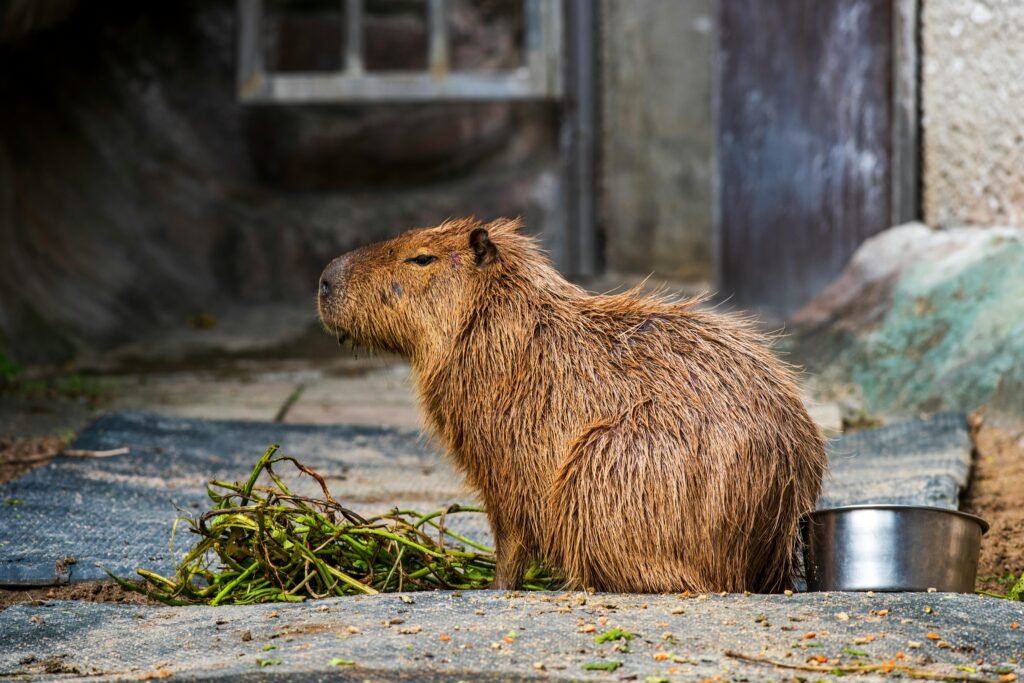
At Capybara Happiness, we are dedicated to helping enthusiasts move past the cute internet videos and understand the true responsibilities of exotic animal husbandry. Texas is famously open to unique pets, but owning a semi-aquatic herding animal is a massive lifestyle commitment. In this comprehensive guide, we will explore the legality of Capybara Pet Ownership in Texas, where to find reputable exotic breeders, average purchasing costs, the medical infrastructure you will need, and how to set your oversized companion up for a lifetime of total zen.
The Legal Landscape: Is it Legal to Own a Capybara in Texas?
When it comes to exotic animal laws, Texas is generally considered one of the most permissive states in the country. According to the comprehensive legal overviews provided by the World Population Review, Texas is one of the few states where capybaras are legal to own without requiring a state-level permit. From a purely state-statute perspective, the Texas Parks and Wildlife Department does not list the capybara as a prohibited or restricted species for personal possession.
However, the legal story of Capybara Pet Ownership in Texas does not end with state regulations. Texas grants immense power to local government bodies, meaning county and municipal codes dictate the real boundaries of ownership. Many major Texas cities such as Houston, Dallas, San Antonio, and Austin, have strict Dangerous Wild Animal ordinances or broad exotic animal bans that explicitly prohibit citizens from keeping large rodents within city limits.
Before you even think about purchasing an animal, you must contact your specific county clerk and city animal control office to check local zoning laws. As noted in the local regulatory guides by the Texas State Law Library, local municipal ordinances always trump general state permissions. If you live in an unincorporated rural area or a county with relaxed exotic pet guidelines, you will find it much easier to legally establish a sanctuary for your webbed-footed friend.
Financial Reality: The Price of Buying a Capybara
If you have verified that your local grid allows for a giant cavy, you need to prepare your bank account for the upfront costs. Capybaras are not budget-friendly pets. According to market data analyzed by A-Z Animals, a single captive-bred capybara pup typically costs between $1,000 and $3,500. If you are looking for an established, proven breeding pair, the price can easily skyrocket to $8,000 or more depending on the breeder’s reputation and the animal’s lineage.
But the actual purchase price of the animal is just the tip of the iceberg. You also have to factor in the vital rule of capybara psychology, they are obligate herd animals. A solo capybara will quickly become severely depressed, stressed, and destructive.
Because they require constant companionship, responsible breeders will often refuse to sell you a single pup unless you already own one. Budgeting for at least a pair of pups is a core component of calculating the total cost of a capybara. When you add the expense of building a secure, semi-aquatic habitat, the initial investment can easily surpass $10,000.
Sourcing Your Pet: Finding Reputable Texas Breeders
Because capybaras are highly specialized exotic animals, you cannot simply roll down to a local neighborhood pet store. You must connect with a professional breeder who operates under the direct supervision of the United States Department of Agriculture (USDA). The USDA regulates the commercial breeding, handling, and sale of exotic mammals to ensure welfare standards are maintained.
Texas features several specialized exotic animal ranches and licensed brokers who occasionally have capybara pups available for adoption. A reputable breeder will always welcome an on-site visit, allow you to see the parents, and provide certified health paperwork. Avoid any online classifieds or brokers who offer to ship a pup without verifying your local legal status, as these avenues are often connected to illegal wildlife trafficking rings.
Bringing home your new pets is an unforgettable milestone. Once your USDA-certified pups arrive, you can begin the rewarding process of bonding with the ultimate Capy mom or dad persona. This foundational phase requires patience, gentle handling, and establishing a consistent routine to ensure your animals feel completely safe in their new environment.
Lone Star Healthcare: Finding an Exotic Vet in Texas
One of the most frequently overlooked aspects of Capybara Pet Ownership in Texas is medical care. A standard neighborhood veterinarian who treats cats and dogs is not equipped, trained, or insured to handle a massive semi-aquatic rodent. Capybaras have highly unique biological needs, including continuously growing teeth that require specialized dental tools and a complex digestive system that reacts poorly to standard animal medications.
Before bringing your capybara home, you must secure a professional relationship with an accredited exotic animal veterinarian. In North Texas, the Texas Avian & Exotic Hospital in Grapevine is one of the largest veterinary hospitals in the country exclusively dedicated to non-traditional pets, boasting board-certified specialists in exotic companion mammals. If you live in South Texas, facilities like the Broadway Oaks Animal Hospital in San Antonio offer dedicated diagnostics, dental care, and wellness exams for large exotic mammals.
Keep in mind that a medical emergency might require specialized transport. You will need a large vehicle and a heavy-duty crate to safely move a stressed, heavy animal to a clinic that could be several hours away. Regular check-ups are essential to monitor their weight, check their continuous tooth wear, and ensure they are thriving under your care.
Designing the Habitat: Beating the Texas Heat and Cold
Capybaras are native to the tropical wetlands of South America, which gives them a distinct advantage when adapting to the scorching Texas summer. However, the intense Lone Star heat still requires careful habitat engineering. A proper outdoor enclosure must give them direct, constant access to a deep pool or a large pond where they can submerge completely to cool down and protect their sensitive skin from sunburn.
Your outdoor space must feature a sturdy, secure fence that is at least 4 to 5 feet high, with a buried perimeter to prevent the animals from rooting or pushing underneath. Shade is a non-negotiable requirement, you must provide multiple lean-tos, shade cloths, or dense tree cover where they can rest out of direct sunlight. Providing a muddy wallow within these shaded zones mimics their wild environment and acts as a natural sunscreen, which is a major factor in ensuring overall capybara happiness.
While Texas summers are easily managed with water and shade, the winters can pose a sudden, severe threat. Because capybaras are prone to frostbite on their ears and webbed feet, you must build an insulated, climate-controlled outbuilding equipped with safe radiant heaters. This ensures that when a classic Texas winter freeze blows through, your herd remains warm, dry, and secure indoors.
Final Thoughts: The Reality of the Lone Star Capy
Embracing Capybara Pet Ownership in Texas is a unique privilege, but it carries an immense amount of responsibility. It requires transforming your yard into a semi-aquatic sanctuary, sourcing specialized nutrition, and dedicating yourself to the complex social needs of a wild herd animal. When done correctly, legally, and safely, providing a home for these gentle giants is one of the most rewarding wildlife experiences a Texan can have.Thank you for exploring the realities of exotic pet care with us at Capybara Happiness. By respecting local laws, prioritizing proper veterinary infrastructure, and investing in a true herd environment, you can ensure your home becomes a peaceful paradise for the world’s most lovable rodents. Stay legal, stay prepared, and keep spreading the Capy-love across Texas!